Fruit Tree Records Of The Year, Records of 2022

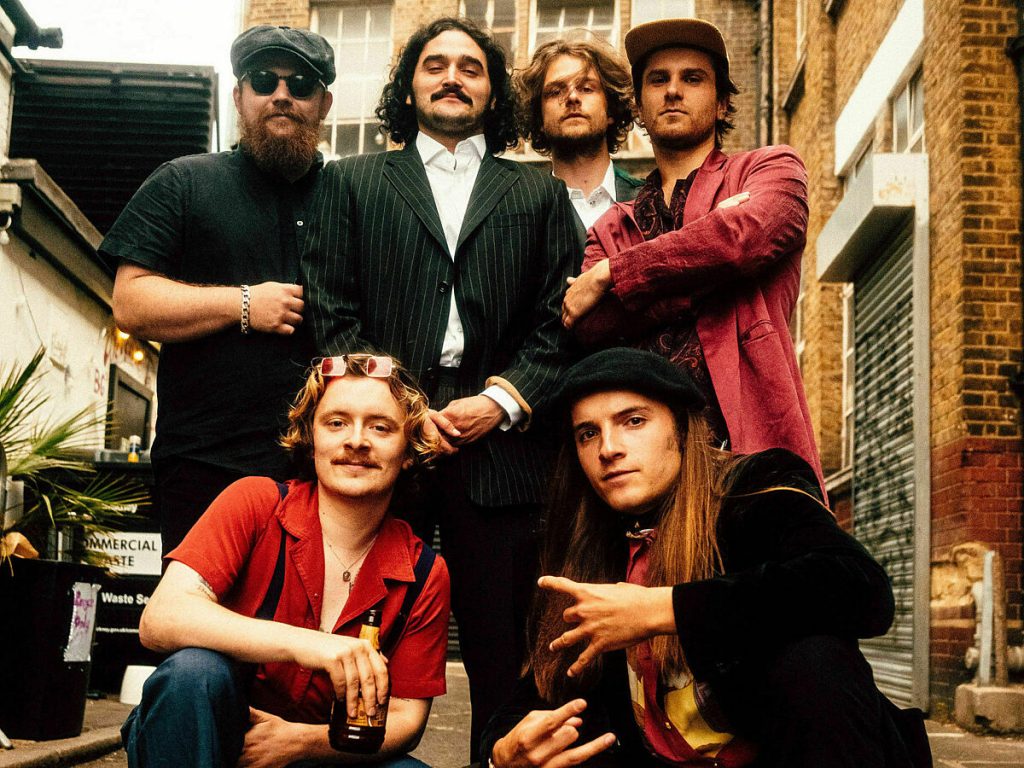
Black Flower – Magma

Sometimes albums just stand out from the crowd immediately and for me, ‘Magma’ was one of those. I knew nothing of Black Flower when I chanced upon this earlier in 2022 but have since learned that the band were formed in 2014 as another branch of many projects that explore the realms of Jazz and experimental by the various musicians involved. This particular collective brings elements of Ethiopian Jazz, seemingly as a launch pad, to dive headlong into territories that are bold and occasionally undiscovered. That there are soulful touches to the playing is certain, but you can also hear that these musicians have listened to Rock and played in more conventional song-based set-ups previously too. In fact, it may have been these reference points that pulled me in, I certainly got the sense that I was listening to something familiar, but which was heading down wholly unfamiliar tracks. This is in part down to the Ethiopian scales they are working around, subtly different to a Blues scale recognizable to Rock music ears. But it is surely also thanks to the intuitive and inventive improvisations that rise out of Black Flower’s creative process.

This group of boundary defying musicians are one of the finest cultural happenings to be found in Belgium right now. A Jazz-Fusion group in the truest sense; the band are fronted by Nathan Deams, whose lead instruments on this album are alto and baritone saxophone as well as an assortment of rim-blown flutes. He is also the man responsible for the core of the compositions although the writing on this record is co-credited thanks to the jamming element of creation that develops these pieces into such epic excursions. Second in line in terms of writing is Jon Birdsong, credited as playing cornet, cornetto and seashells his CV includes Beck, Calexico and dEUS. The band are fleshed out with Simon Segers on drums, Filip Vandebril, whose list of past credits includes work with Lee Perry, on bass and Karel Cuelenaere on organ and clavinet. It is arguably Karel’s playing that informs a large part of the tone on ‘Magma,’ supplying as he does some especially haunting segments of very vintage sounding keyboard progressions.

The sound of ‘Magma’ as a whole is rather like a trek across a darkened, desolate landscape. Nothing is in plain sight but still you can sense the life surrounding you, hidden but there in the rustle of the trees and in the soft texture of the ground beneath, there is a pulse and a rumbling not too far from the surface. You feel at any moment the place could erupt and occasionally it does but mostly, Black Flower hold the spell in that space between spark and ignition. That is certainly how the title track plays out, underneath the menacing throb we hear spacey keys and highwire sax but just when you think it is going to blow, we take a left turn down a sweet, melodic cul-de-sac before the tension resumes. What follows for the remaining 45 minutes is similarly extreme and exhilarating, in ‘The Light’ the flute sounds that rise up periodically are cracks of light that inject the jazz grooves, pounding deep slumbering rhythms and infectiously hypnotic repetition with life. In other places the swirling keys submerge you in a psychedelic-like place of colour and wonder. There is one vocal on the album, a seductive hook line on ‘Morning In The Jungle’ sung by Meskerem Mees in between a childlike spoken section that brings real illumination to the piece. This deep dive into a forest of culturally open, musically timeless sounds is a ride I urge you to take; it encapsulates just why Jazz is both the most open-minded and inclusively inviting of all styles that flourish with limitless possibility in 2022.

Order a vinyl copy of ‘Magma’ here: https://www.discogs.com/master/2485099-Black-Flower-Magma

Standard
Fruit Tree Records Of The Year, Records of 2022

Hurray For The Riff Raff – Life On Earth

Hurray For The Riff Raff sure have evolved from that earthy, western swinging country/folk ensemble they arrived as. Over the past decade what we may have thought they were dropped away, leaving us with a clearer sense of what the band really are; a vehicle for the classy, classic songwriting and creative visions of Alynda Segarra. There is virtually nothing folky or rootsy about them nowadays but what they are instead is a band that punches with clarity and a proper pop clout. Back when I first came across them Alynda wore her admiration for John Lennon on her sleeve and it clearly ran deep for, she has injected two key practices from the man into her own work. Firstly, to respect the music, following her muse and writing from the heart. Secondly, she has learned that when imparting hard facts or reflecting the harsher realities of life around her, the message is far more likely to be heard if it is wrapped in a memorable, singable tune.

‘Life On Earth’ is firstly an album that (with descriptive license held in hand a little for what does this mean in 2022 anyway?) is a finely produced pop record. These are all great, melodic songs polished into shape with a pure electronic pop/rock sheen and only marginally embellished with any old-school acoustic or rawer aesthetics. Then on top of that is Alynda’s voice, an instrument that remains as soothing and soulful as a Karen Carpenter vocal and certainly something that lends her material a font through which all the emotional depth and nuance can shine. There is nothing on this record that could not play on daytime commercial radio, it is music that invites everyone in and I am certain that those who accept the invite will be nourished with a sweet dose of audio goodness that endures thanks to both the songs and the deep lyrics.

I do not mean deep as in impenetrable, just real, these are songs born out of living life on earth in modern times and a reaction to current world events. Problems surrounding US immigration are high among Segarra’s thoughts and with good reason, she got her hands dirty between this and the last album visiting an immigration detention centre in Louisiana, singing in the voice of one of the detainees on ‘Precious Cargo,’ movingly cutting right to the cruelty and inhumanity of immigrant plight. The environment and climate are at the forefront too as ‘Rhododendron’ seemingly rejoices in the natural world Alynda finds herself surrounded by. There are apparent personal moments too, the most biting being ‘Saga’ which seems to describe a human spirit building inner strength in its determination to eventually break out of an abusive relationship; “I don’t want this to be the saga of my life.” A similar feeling is expressed on opener ‘Wolves’ with the refrain “run babe you know how to run” but no matter who was originally in the mind of the writer, in times like these wonderful records like ‘Life On Earth’ are there to help us all, they point a way forward whilst putting an arm around our shoulders.

Buy a vinyl copy of the album here: https://www.discogs.com/release/22215319-Hurray-For-The-Riff-Raff-Life-On-Earth

Standard
Fruit Tree Records Of The Year, Records of 2022

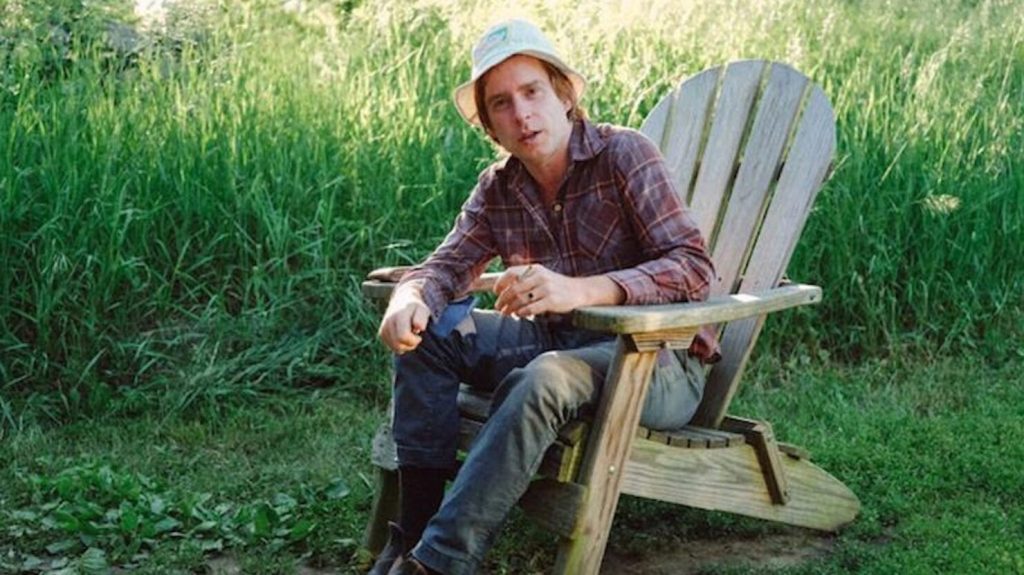
Sharron Kraus – KIN

I first listened to this collection of psych-folk jewels by Sharron Kraus, on one of the first truly autumnal mornings of the year. The sharp bite of the cold, the dampness of the ground, the stillness in the air around the crisp bright sun somehow seems the optimum environment to be enjoying this music. Sharron’s music, which of late has worn a delightful immediacy, simultaneously is at one with the chill in the air whilst it wraps the listener up in warmth. How she casts this spell I would not wish to deconstruct; it is there in the magical way her singing and more identifiably folky tunesmithery is juxtaposed to dissonant electronica and progressive sounding organs, recorders and synths, the effect is both soothing and unsettling.

That the album ‘Kin’ should exude an air of wide-open space and a sense of isolation could be thanks to it being largely written in response to the pandemic. There is an ongoing concern with human interaction and relations throughout as well as a keen awareness of the natural world. It seems to feel, as so many of us did two years ago, that there is a darkness to denial of person-to-person contact, with uncertain resumption, rather than enjoying solitude as a choice. Still, the absence of that connection did also prompt reflective appreciation of the good in human nature; ‘Kin’ concludes with some light breaking through during the song ‘A Kind Kind (Of Human).’ A funereal hymn-like piece that really does wash the face of the album and recognise that when “in a tight squeeze we pull together it seems.”

The album opens with strong echoes of early Steeleye Span on ‘Tell Me Death,’ a powerful song that asks why the narrator’s closest loved ones were all taken too soon but comes back with the tough answer, they just were. The message is sometimes there are no answers to the question “why”? You can only live in the present moment, so do not waste your season in the sun asking too much of the past or looking too far forward. Nevertheless try, as Kraus sings in this song, to hold on to some hope; “maybe I’ll live for long enough to find joy again.” Sharron does have previous for finding the hardest answers to the biggest questions, but throughout these songs she refuses to shy away from reflecting on “the ways we hurt.” During a song of the same name, roaming bass guitar patterns by Neal Heppleston and the dramatic drum punctuations of Guy Whittaker superbly help illustrate these bruises.

Sharron’s voice remains an instrument of pure, lush honey even while things get heavy, heavy. ‘Do It Yourself’ is like the bleak distant cousin of Paul Simon’s ‘I Am A Rock.’ But where Simon was determined to find strength in his loneliness, Kraus is positively drowning in the blackness of it all as she concludes “no losses, no ties, no tears shed when you die.” I love the way during ‘The Trees Keep On Growing’ Sharron observes that the still very much alive natural world was clearly not missing the human race, all shut away in their houses, as it wonders “do the sparrows ask where we’ve gone? Do the blackbirds mourn us?” The worst days of the pandemic may now be over but still in 2022, ‘Kin’ is an album perfectly weighted for the hard winter months in front of us, stirring us to feel the highs and the hurt essential to human existence. This is both a deeply resonating and serenely tranquil album offering both hope and clarity to the turbulence crashing around us, a quite beautiful piece of work.

Buy a vinyl copy of the album here: https://sharronkraus.bandcamp.com/album/k-i-n

Standard
Fruit Tree Records Of The Year, Records of 2022

Leyla McCalla – Breaking The Thermometer

One of the outstanding releases of the year and one that is truly like no other, a song cycle that looks at a subject matter in depth and weaves a whole records worth of material around that theme. Every song here belongs specifically to this project, one that began after Leyla McCalla was given a composition commission from Duke University in North Carolina. The focus of the new work was to be Radio Haiti, a broadcaster from the Caribbean country with a reputation for uncovering political corruption whose journalists had been repaid with persecutory, torturous, sometimes fatal retaliations or expulsion. Leyla’s approach to this was not to document incidents in a dry chronological manner, instead this piece fizzes with life because she uses the seed of the idea as a blank canvas on which to take a deep dive into Haitian music culture in a quest for deeper understanding.

Part of this immersion is the vocals, which she primarily sings in Haitian Creole, the French based dialect of the country’s natives. It is also in the ambience of the sound, Leyla has made her mark previously as a superb purveyor of traditional sounding American folk with old time blues roots poking through that lend her work a surefire emotional punch, but on ‘Breaking The Thermometer’ there are also underlying textures of sunshine and Tropicalia as enticing African and Spanish rhythms rise and fade throughout. McCalla brings personal memory to the table too, especially in a stunning cover of ‘You Don’t Know Me’ by formerly exiled Brazilian songwriter Caetano Veloso, someone whose music she recalled from childhood and maybe sowed the seed for the sounds further explored here. Across the whole album, vintage clips of voices on old Haiti Radio broadcasts bring both a sense of history to the presentation and a glue to the whole song suite.

And yet, amidst all the found sound, voice samples and short instrumental passages that knit the work together, when we land on the conventional songs every single one of them is a highlight. ‘La Bal est Fini’ is a rousing number, propelled by a heavy shuffling rhythm and an unrelenting banjo pulse, elevating to the stars with Leyla’s impassioned singing on the chorus. The song ‘Vini We’ is simply beautiful, Leyla oozing with sincerity and compassion when she sings the words “they wonder why I love you, they wonder how can this be. I’m here for you like you’re here for me”. Underneath it all you see, Leyla McCalla is fast emerging as one of the essential songwriters performing in the folk and roots arena, this album simply underlines the fact.

Buy a vinyl copy of the album here: https://www.discogs.com/release/23742284-Leyla-McCalla-Breaking-The-Thermometer

Standard
Fruit Tree Records Of The Year, Records of 2022

The William Loveday Intention – The Baptiser

Apparently, the avalanche of releases we’ve witnessed by Billy Childish’s latest musical vehicle is part of a motion to have “a career in a year” as The William Loveday Intention. To that end there have been at least fifteen, that I know of, releases under this moniker since 2020 and consequently, as brilliant as they are, this prolific momentum tends to push them into the margins when record buyers start reckoning with their albums of the year. But I cannot leave this out for of all the albums by the Intention, this one is perhaps the one where the inspiration at the heart of the project is most thrillingly realised. Billy himself says on the Damaged Goods website that the LP “should move and sound like the contents of a thinking mind”, it does and it is a mind that has been split wide open by the work of one man.

Bob Dylan was on the radar of Childish since childhood thanks to an early acoustic Dylan album being in the family home. However, he has been firm in assertion that he was never “a fan” of Bob and he comes to this heavily Dylan influenced sound by a sideways entrance, checking out the original version of ‘All Along The Watchtower’ because he felt the Hendrix version over produced and at a relatively advanced stage of his career, believing he could merge his own poetic writings with his music (two worlds kept separate previously) he found that his Dylan lightbulb could plug into a Childish shaped garage-rock socket and a wonderful wild-mercury sound could emerge; a new improved Bob Dylan indeed and so it has proved to be.

It is not merely that the Intention have captured that mid-sixties ragged electric sound, although they do, especially on ‘The Baptiser’ album, pump it out with an immediate, first-take, harp blowing screaming intensity. No, the genius is in the way that Childish turns the tables on Dylan by doing the very same thing the man himself did from that first 1962 record onwards. Think ‘Song For Woody’ was Dylan’s first great composition, do you? Well, it kind of was but the extent it lifts from Woody Guthrie’s own ‘1913 Massacre’ song renders the idea that Dylan had written a brand-new song almost obsolete. He did this all the time, if you think that ‘Don’t Think Twice It’s Alright’ is an early Dylan classic, which it is obviously, just take a listen to the opening of Paul Clayton’s 1960 song ‘Who’s Gonna Buy You Ribbons’ to be left in no doubt where the seed was sown for Bob’s song. He was blatant about it, and he continues to this day. On his 2020 album a song called ‘False Prophet’ uses a riff and progression that is a direct lift from Billy The Kid Emerson’s 1954 Sun record ‘If Lovin’ Is Believing’.

The point is that the result of all that blatant lifting is a brand-new song, a new creation with echoes of something that has gone before, an important element in folk music tradition and if truth be told a thread that runs through most recorded music, good and bad. The secret to genius is that thinking mind Billy Childish refers to and his William Loveday Intention Dylan inspired albums have thoroughly plunged the sink of the man’s creative mind. Yes, he is using Dylan as a springboard but that is all, no one has tapped into that mid-sixties grain with this much conviction before now. The definitive article is ‘A Painted Pantomime Dame’, framed in the style of a classic ‘Positively 4th Street’ attack song, each verse a swirling whirlpool of devastating critique climaxing with the spitting out of the ‘Pantomime Dame’ putdown. You see the parallels everywhere, ‘Mister Smith’ a distant acquaintance of Mr Jones perhaps? ‘A Framed T-Shirt Remnant’ carries all the kudos of a leopard skinned pill-box hat by the time Billy has finished with it. Best of all, like Dylan, Childish carries no respect for short attention spans, he gives these tunes as many verses as they need until he’s got his point across. A fairly faithful cover of ‘Knockin’ On Heaven’s Door’ is a direct nod to the source but the meat here is all Billy Childish and his spinning wheels of sound, the Dylan genius has rarely been tapped into and advanced with such authentic class and style.

Buy the album on vinyl here: https://www.discogs.com/release/23028734-The-William-Loveday-Intention-The-Baptiser

Standard
Monthly Playlists

December 2022 Playlist

I sort of gave up on Elton John in second half of the eighties. His music had been around the house during childhood, I had a few of those early albums as well as, by the time I was record buying age, ‘Too Low For Zero’ and ‘Breaking Hearts’ around the time they were released. After that, things went very downhill it seemed, the second half of that decade especially was a lean time and my interest did not pick up at all throughout the nineties. By then I just associated him with middle-of-the-road soundtracks, behind-the-scenes documentaries which rather soured his image with hard-to-relate-to temper tantrums and of course, he represented irrefutable evidence that no amount of money in the world could fix hereditary hair loss.

Now this is not to say that I have suddenly reversed by opinion because I’m older and music that had once seemed bland nowadays resonates. No, far from it, I still cannot stand ‘Circle Of Life.’ The current re-runs of 1993 ‘Top Of The Pops’ have recently featured a syrupy Christmas song with Kiki Dee that I have no recollection of at all. However, in 2001 I did get back on board the Elton John train, the EJ express locomotive that seemingly ran full time was stopping at my station once more. That happened with the ‘Songs From The West Coast’ record, a set on which Elton definitively re-connected with the thing he does best; exemplary piano led singer-songwriter pop with a strong melodious grain. At the time I seem to recall he credited Ryan Adams as the catalyst for plugging himself back in, but wherever the impetus came from a re-engagement was beyond doubt. And the remarkable thing is that, as the 21st century has unfolded, he has worked hard to retain this groove. For the past twenty years, admittedly at a slower pace than before, Elton John has been making great albums again.

Inevitably, there is truly little evidence of this in a 2022 live setlist. I watched the live broadcast of his final concert at the Los Angeles Dodger Stadium this month, a last play at a venue which helped elevate his stardom in the US when starring there in 1975. You can fully understand of course why artists like Elton and Paul McCartney give their audiences nothing but the classics. That is what they paid for I guess and certainly Elton can fill a two-hour set merely dipping a toe into the vast selection of hits he could pick from. I was impressed by this show in a way you would not expect from such a vintage ensemble. His band, featuring mainly members who have been by his side for decades, were utterly amazing and Elton played shit-hot piano throughout. That was notable, this guy works hard for your entertainment. In fact, the only flat moment, for me as a TV viewer, was the rendition he did with Dua Lipa of the recent PNAU song cut-up mix ‘Cold Heart.’ They sang it together at stage front to what I assume was a backing track emphatically highlighting the wallop the band bring to proceedings, simply by removing them for one song.

It has been his Achilles heel over the years, that never-ending fascination with pop music and the charts. Elton is probably one of the few people left who could actually tell you without looking what the current number one single is. That desire to stay relevant has, perhaps, resulted in some collaborations and associations which pull him away from the thing that makes him so great in the first place. You listen to him talk and it is obvious Elton John is a super-knowledgeable music aficionado with a record collectors drive that us similarly addicted vinyl junkies can easily relate to. John Peel once said on air in the early 2000’s that he felt Elton was someone he could have been great friends with, but his level of fame removed that potential. That Dodger Stadium show did spotlight his star quality with all it’s inherent sense of theatre and taste for the extreme. After the final ‘Goodbye Yellow Brick Road’ he was elevated by cherry picker, waving farewell to the crowd before disappearing into darkness as the video screens played film of him wandering off down the yellow brick road to the next, domesticated if his onstage announcements are anything to go by, phase of his life. Are we producing music stars like Elton nowadays? It is hard to think of one simultaneously so extravagant, grand, ridiculous and yet musically so enduringly brilliant and talented. If this is the end, he will leave a space that is ridiculously hard to fill.

Standard
Monthly Playlists

November 2022 Playlist

I wrote for my October playlist about seeing the Wave Pictures and how they were one of my highlights of the End Of The Road festival. Well, it has been the same this month as they were my favourite gig of October too, catching them on their most recent tour in what seems to be a natural habitat for this three-piece, a pub with a gig room that holds no more than two hundred people. It is that time of year too when I start to compile a shortlist of my records of the year and it is clear their ‘When The Purple Emperor Spreads His Wings’ double album is going to feature in my top titles. They have put out many superb albums over a twenty-year career and this is one of their best yet, it shows no trace of tiredness or auto-pilot traits that befall other bands entering a third decade together.

It is easy to speculate that the reason for this is the Wave Pictures have never really broken through in any major way, beyond being able to sustain their level of playing pub-circuit size venues and counting on a small pocket of loyal followers to show up and buy the records (or unique pottery mugs too on this occasion). They exude a humble effervescence and total lack of bitterness despite the fact that they are one of the greatest examples of how the balance of power in the music, not to mention the divvying out of spoils to those most deserving based on talent, is totally messed up. Long gone are the days when putting out a great song would give you a decent shot at chart appreciation among a top forty selection that honestly reflects the variety in tastes of the nation. Now it seems the only thing that gets you that kind of recognition is marketing; if you choose, as the Wave Pictures do, to let your music do the talking for you, safe in the knowledge that you have both the songs and the performing capacity to back it up, then it would appear you are stuffed.

This is a travesty because essentially what the Wave Pictures do is write spiky, irreverent, dry and observational guitar-pop vignettes on modern life and relationships, very much in the same vein as The Kinks or the Housemartins. Many of the songs on their latest album have killer hooks and insistent riffs worthy of any mainstream with kudos. Just check out the opening track on this month’s playlist and that brilliant sing-along “I don’t trust you anymore” chorus for firm proof of this. There was a moment during the gig I saw this month when their singer Dave Tattersall let a chink of irony at the unjust state of things briefly flicker through the cracks. When announcing an early Wave Pictures number, he jokingly referred to it as narrowly missing becoming a “hit.” He continued, “oh well, at least Ed Sheeran made it through.” That moment alone offered a glimpse into the hidden frustration this band must surely feel occasionally, as well as the parallel universe where all is as it should be, and The Wave Pictures are the household names and Sheeran works the pub circuit. But I guess in this real world we music lovers are the winners, because we get to see one of the UK’s greatest bands in easily accessible venues with affordable ticket prices and brilliant vinyl merchandise to take home and enjoy, pandemics aside, once a year every year.

The Wave Pictures kick off the playlist, which this month takes an early detour into some Beatle Juice before sailing across the usual excursions across the sounds of Psych, Garage, Americana, Folk, Blues, Prog and Jazz… enjoy!

Standard
Monthly Playlists

October 2022 Playlist

My big musical event in September was going to the End Of The Road festival, my first time there despite for years seeing the line-up and feeling that this was the festival most in alignment with my tastes. So, I went there with the intention of just bathing in four days of music and happily got exactly what I was looking for; I shall be returning. The musical highlights were indeed plentiful including one of my favourite bands, The Wave Pictures, playing an unscheduled, pile-driving Saturday afternoon slot as a late line-up replacement for Emma-Jean Thackray (who I was also looking forward to, hopefully catch her soon). Other high spots included Hurray For The Riff Raff, Kevin Morby, The Pixies and Ural Thomas & The Pain whilst among my most welcome musical discoveries were The Heavy Heavy and Bug Club. Still, as great as the whole experience was, there are one or two memories of a different type that will also endure in my memory and yes, there was the odd disappointment here and there.

Maybe I am naive, but I had not accounted for what a middle-class festival this is. Nothing wrong with that obviously, but I do wish that the music I regard as the better of today’s offerings was not merely the preserve of a certain type in society, it should be there for everyone. Kevin Morby and The Wave Pictures can rock the ordinary working classes just as well as this lot you know? What did I see that brought me to the conclusion of a middle-class clientele? Well, the sense that many in this crowd are holding down jobs in middle management was hard to shake, that they are dressed for a weekend of professional relaxation. Even those that looked a little rougher around the edges were not quite what they seemed; I brushed shoulders with a pair of combat booted, rakish libertine punks who in any other setting you’d cross the road to avoid for fear of them putting a knife to your throat and mugging you, only to catch the sound of their Prince Harry intoned voices discussing the merits of a stall selling artisan coffee.

During an afternoon slot by the singer-songwriter Anais Mitchell, she began to introduce a song from her brilliant folk-opera musical ‘Hadestown’ when a woman excitedly jumped from her seat and pulled the theatre programme out of her bag, waving it in the air and screeching “I know, I’ve seen it, I’ve seen it!” I mean, who brings a theatre programme to a festival anyway? Look this is not a complaint, just an observation, most of the crowd were very friendly and likeable. During the Thursday night headline slot from Khruangbin the mainly instrumental band did struggle to hold the attention of many in the area I stood in. One chilled observer summarized, “they’re playing the kind of music that would have been on in the background at one of those seventies dinner parties where everyone had sex with everyone else’s partner.” This was kind of well observed and accurate I thought

Among the other acts who did not quite meet my expectations was Kurt Vile, who I did think was going to be to my liking thanks to the past inclusion of one or two of his songs in my playlists. But I don’t know, the mid-paced slacker grunge groove he solely occupies just bored me really, it was like Neil Young & Crazy Horse without any great songs and lacking in energy. The Sunday night headliner was disappointing too but for a wholly different reason. Bright Eyes main man Conor Oberst was halfway through his first elongated between song announcement when a crowd member turned to their friend and asked, “is he drunk”? Well, he was not merely drunk, he was totally shit faced. I have not seen someone so inebriated on stage since I saw John Martyn in the 1990s. Conor rambled on like that drunk person in the corner of a pub that everyone warns you to avoid making eye contact with. He slurred words, struggled to pronounce things like “privilege,” fell over a cable, fluffed intros, was cut from his monologues by sound crew cutting in with intro tapes and essentially held all our attentions because there was a sense that he might not make it to the end. To be fair, the band did carry it well and Oberst himself did manage to sing well enough, but then later the thought occurred “is he actually alright or is this a sign of some deeper problem?” Some post festival searching has shown that this worrying behavior has actually been evident for a while now, the guy clearly needs an intervention. I hope it happens, there are far too many of the better talents in the music world taken from us too soon (see my September playlist entry for tragic evidence of that).

Anyway, End Of The Road, I look forward to returning in 2023.

Standard
Fruit Tree Records Of The Year, Records of 2021

Night Beats – Outlaw R&B

Jump back five years and the Night Beats were one of the bands offering up authentic rough edged Garage Rock infused with roadrunner Rhythm & Blues. The bands 2016 album, their third LP release, ‘Who Sold My Generation’ was one of the standout records of that year and, after catching them on their UK tour, I felt certain that they were headed into the same space as occupied by Jack White and the Black Keys. The Night Beats, since their formation in 2009, have always been the musical vehicle for singer and songwriter Danny ‘Lee Blackwell’ Rajan Billingsley and he has been the only constant member in an ever-rotating line up. This can be problematic for bands with this kind of set up (the Waterboys are a good example who spring to mind) because the elevation of the music can be dependent on the central artist finding a similarly tuned in group of players to bring his vision to life and let it fly. With that 2016 album he had Black Rebel Motorcycle Club bassist Robert Levon Been playing and producing and that combination in particular lead to the Night Beats really locking into something. But Been was not a permanent member and these constant changes resulted in a drop in momentum after 2016.

All this made it even more of a welcome surprise and delight that, with ‘Outlaw R&B,’ the Night Beats appear to have spectacularly locked back into their mojo. Written and recorded in the aftermath of wildfires in Blackwell’s hometown of California and lockdown, the singer says of the release that it is aimed at “those whose minds aren’t sold by perfect pitch and clean fingernails.” If by that he means it is a step away from the 2019 Dan Auerbach produced ‘Myth Of A Man’, a record made with more senior session hands and with a rather more polished sheen, then he is bang on the money. ‘Outlaw R&B’ is a return to the very sound and groove that gave the Night Beats their stand-out edge in the first place; sixties garage echoes, pounding aggressive bluesy grooves and melodious songs that leave the listener wanting more. It revs its engines from the off, ‘Stuck In The Morning’ crashing in propelled by a marching beat and punctuated by resonant, dramatic swings on the chiming electric guitar. Album openers are, generally, positioned to tempt you to dive into a record, if this doesn’t do exactly that then my recommendations are not for you; there is simply nothing not to like here.

‘Revolution’ is the first of many sugarcoated hooks, its lyrics celebrating the action of turning your heals and pushing a rebellion of the mind into real motion, the whole tune is brilliantly shadowed by wild fuzz guitar lines. ‘New Day’ has a break of day freshness while ‘Hell In Texas’ is the sound of fuzztone rock ‘n’ rollers crawling through the hot desert; in fact, it’s rather like a distant cosmic cousin of ‘Ghost Riders In The Sky.’ ‘Thorns’ prods your ear lobes with its insistent hooks and sharp twangy edges while there is more than a tiny hint of the Velvets white light and heat with ‘Never Look Back’ (a track which features Robert Levon Been). Again though, it is those sixties primitive brush strokes that make the tune a welcome nugget, those jubilant backing vocals, and the pure pop punch of the top line. ‘Shadow’ has a spooky drone vibe then ‘Crypt’ demolishes brick walls to emphasize that, in essence, the Night Beats have a rock ‘n’ roll soul. ‘Cream Johnny’ indulges in spiraling psychedelics, falsetto vocals and deep space squelches that disappear into orbit and make way for an acoustic guitar fronted section. ‘Ticket’ drives us off a cliff into the darkness and closer ‘Holy Roller’ sends the album off in a puff of Stooges-like acoustic/electric riff-toting smoke planting a seed of lingering fuzz guitar spreading through your brain. This is 40 minutes and eleven songs worth of pure, wild, raw, thumping goodness.

Find a vinyl pressing of this album here: https://www.discogs.com/release/19066471-Night-Beats-Outlaw-RB

Standard
Monthly Playlists

September 2022 Playlist

Sadly, the music world seems to have people passing away all too frequently nowadays, something to do with the age range of that golden sixties generation I suppose, that generation whose music shaped everything that has evolved ever since and therefore, for the most part, has remained timeless. But then there are also, all too often, reports of someone from a younger generation falling too soon and that, for obvious reasons, feels like a whole other kind of tragedy. A life cut short, the thoughts of what might have been. And then there are deaths like that this week, of Jaimie Branch, who has left us at the horribly young age of thirty-nine to causes as yet unreported. A death like this is a strange one, I can only liken it to, as far as its similarity in shock and sense of immense loss, to the that of Elliott Smith. That feeling in the moment you learn of their passing of, oh shit, we’ve really lost someone quite special there, a genuine one-off. The music world is going to be a lesser place without this person in it from now on.

That is how I instantly felt when I learned of the death of Jaimie Branch this week. Even though I had not taken a deep dive into learning about her personal history, the music she had released had left a serious impression on me, especially the two ‘Fly Or Die’ albums released under her own name in 2017 and 2019. These were albums that had firmly grabbed my attention, Free Jazz albums that were not only innovative and explorative but accessible too, ram-packed with hooks that were exciting and stimulating to the ears and the head. And Jaimie’s personality seemed to smash through the complexities within the grooves, she seemed like an in-your-face left leaning activist who understood the shades and contradictions of the human condition and that sometimes, even those who thought of themselves as the good guys could be “assholes and clowns” who needed some love.

I’ve been listening to her a lot this week, trying to uncover the collaborations she worked on as well as the headline slots. Not entirely successfully either, apparently, she played on some Spoon tracks but, thus far, I have been unable to find out which ones. But my-oh-my, she was so good, she had such a good ear for melody and, maybe without my even being aware of it, had entered that space in my musical consciousness whereby if she’d been playing in my part of the country, I’d have gone to see her; if she’d been playing at a festival I was at, I’d have gone to see her; whenever a new release was announced, I’d have been on to it immediately. But I hadn’t even heard of her until 2019 and so, in my head at least, I was just on the first step of the ladder in terms of my musical relationship with Jaimie Branch. And now she has gone and the feeling of loss is tangible but, if I can find one thing to hold on to, it is by reading the numerous online tributes this week and realizing that there were many, many others who heard the magic in her music too but still, you know, whatever; gone way too soon.

There’s a trio of Jaimie Branch tracks kicking off the September playlist:

Standard