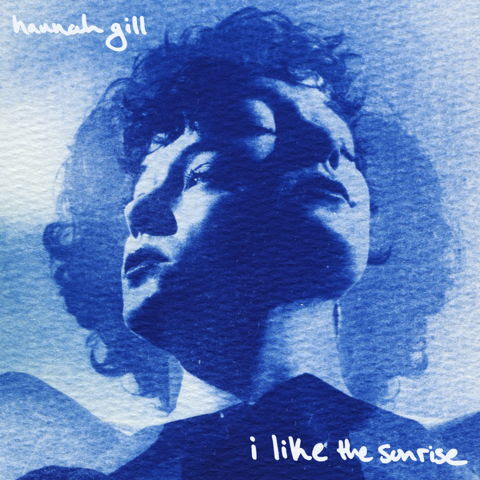
It begins with a gentle rustle, speedily developing into an erupting rumble before instantly exploding to life, the first rays of light breaking through with warmth, brightness and fresh spirit. I am speaking of the centrepiece to this album and also the title track, ‘I Like The Sunrise.’ The song encapsulates everything this new jazz release should come to represent, the hope of the new, the joy of a beginning, the dawn of a fresh endeavour and all the anticipation, apprehension and boundless possibilities that comes to represent. And it tells us exactly what kind of artist we are listening to in Hannah Gill. A classicist in style and a forward-looking conventionalist of application, she puts faith in the tried and tested pillars of talent, emotive expression and a classy musical ear. But neither is she a throwback, something about the playing and the intent of her delivery makes this as contemporary an album as you could wish to hear. You can believe in any music type, regardless of an older era it may recall, if it is played with the right attitude; Hannah with her band sound like they were only after one thing, to play these songs the way they felt them. It is why they saw, to give just one example, no need to add to the simplicity of a track like ‘Azure,’ why over embellish when a simple wistful whistle can say so much? Even when tackling a tune that flies like a standard, such as ‘So Far So Good,’ they swing so hard they could blow fallen leaves off the pavement. A prime factor in these positive reactions is the song selections, this record is built around the kind of tracks that thrive on being played, little wonder some of the guitar and sax solos are tackled with such relish. Also, this is a selection of hot cuts that bring one specific legendary name to the table, that of Duke Ellington.
However, this is no mere tribute album, more like the work of a performer who has connected with another artists material in a way that speaks to her soul. It is the creation of someone whose connection with the compositions is so deep she is making them her own. This is after all, the way that all interpretive work should operate, if it is not moving on and evolving, injecting something of the personal into the performance, if it is merely looking to present a photocopy of something that went before, then it is highly unlikely to have much merit. But here the twenty-nine-year-old US singer Hannah Gill has dug deep into the music of the jazz great Duke Ellington, both with songs that he composed and also material he left an indelible impression on, in a way that instantly marks out her own territory with conviction and passion. And best of all, she is doing something different with it. Yes, the overall tone and style of this album is that of a smoky late-night jazz and blues club, there is a laid back, louche swing to the atmosphere, a re-appearing saxophone that blows pencil sharp shapes in the air and drums that cannot help but brush those symbols with a birth of cool nonchalance. But then you remember, the Duke was a pianist, the instrument was central to much of his recorded output. But here there is not a piano, let alone an orchestra, anywhere to be seen (or heard). The lead instrument is actually a sexy electric guitar, caressing its way around, behind, under and over the seductive and commanding vocal licks delivered by Hannah.
Ever since the earliest days of her musical education, Hannah was drawn to the New York live scene. At the age of eighteen she found that this was the place to feed into her love of jazz, soul and blues, she could dance and swing with abandon all the while beginning to connect with performing musicians who could help open doors to becoming a singer and artist herself. You can hear those foundations bursting through on this album, it is all too obvious that Hannah is confident in her role as interpreter and all those years bathing in the sounds of roots forms has nurtured a keen ear for the finest sounding audio. And on that, you can detect the craft and vitality of an analogue recording loud and clear, an element touted brashly so often by others rarely making the kind of impact its champions try to imply, potently coming into its own. The decisions made in the recording studio emphasise an end desire that has been spectacularly realised; there was no heavy reliance on written charts or overdubs, instead the band laid down these tracks in real time and sought to capture the magic that occurs when great musicians feed off each other and get into the zone. So, what we have is an album that honours some old-fashioned values all the while digging into material that is somewhere between seventy to eighty years old. And yet, such is the honesty of intent, the tangible human investment in these songs, that I can credibly state ‘I Like The Sunrise’ belongs firmly in the modern-day pantheon of album releases. On top of that, it might just be one of the finest jazz albums you will come across in 2026.
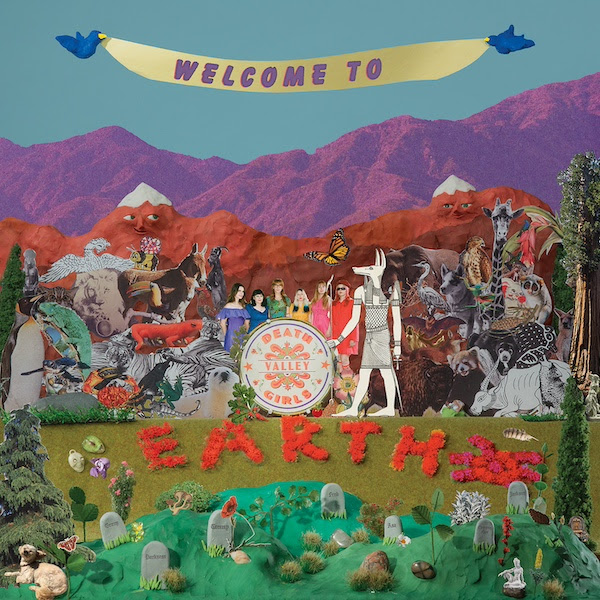
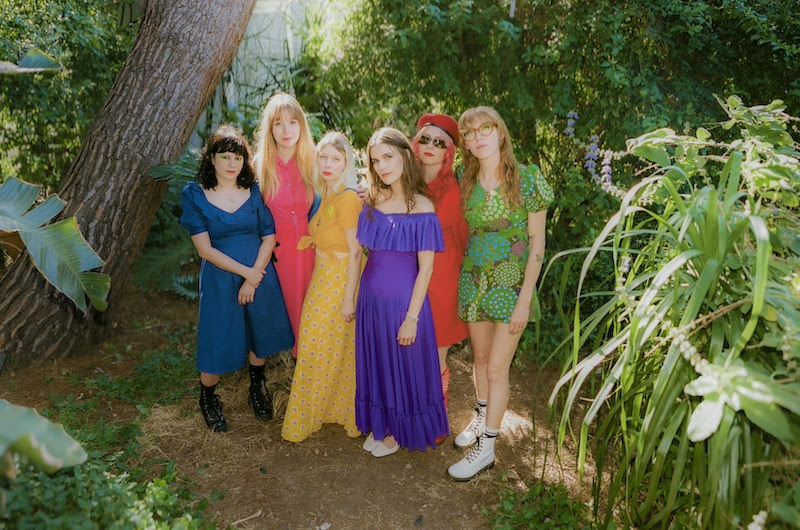
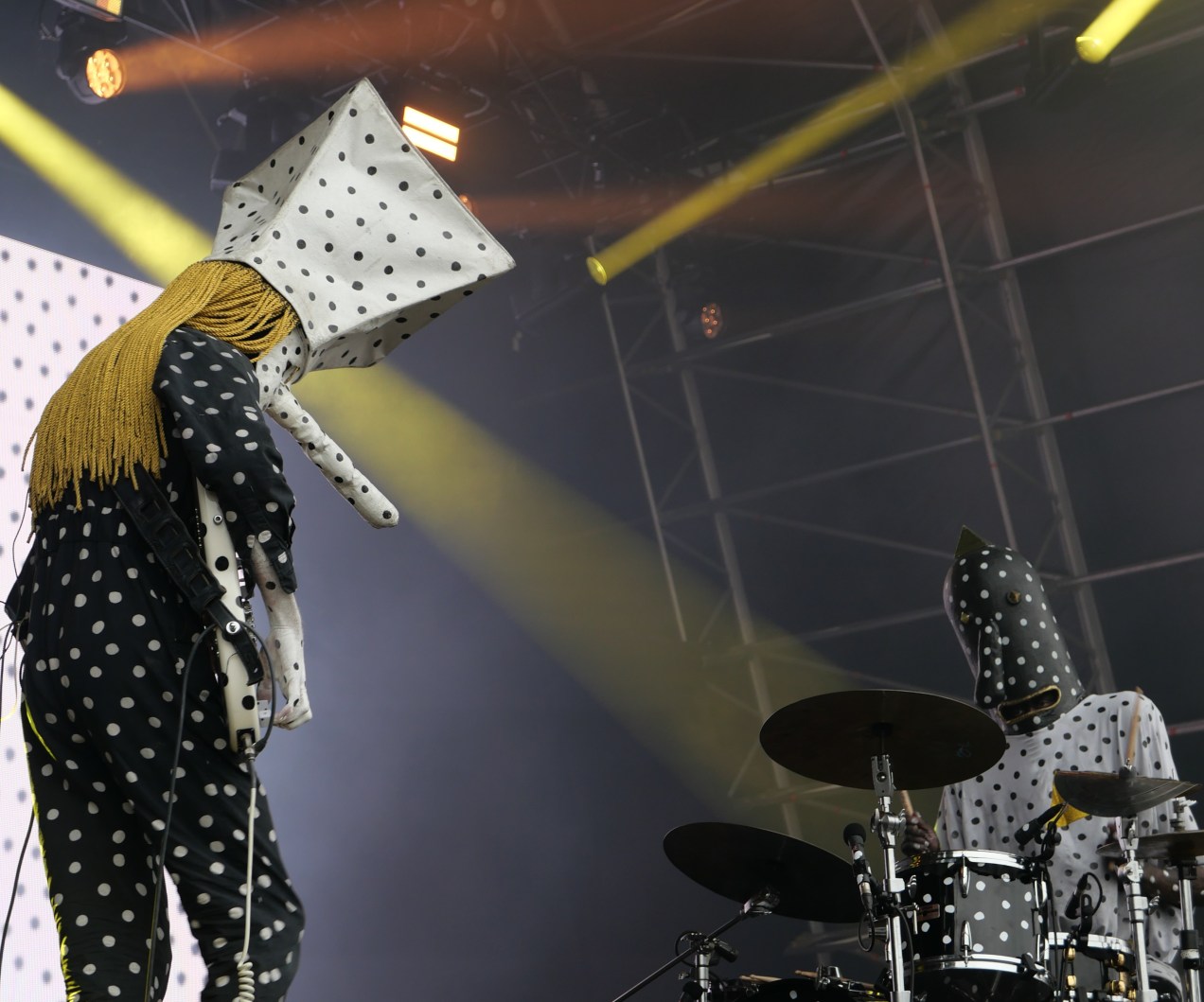
Opening with the explosive title track, this latest from the Death Valley Girls parachutes the listener straight into a world of chaos and confusion. The song is a spinning maelstrom of sound, a hurricane of noise breaking through with a fanfare of brass atop twisted guitar slices, spitting out kneading saxophone phrases, echoing rhythmic pulses, cascading washes of female voices chanting descending pop hooks and a rock and roll band at the centre of the storm desperately holding on to its core. As overtures for the album that follows go, this is a pretty damn evocative statement; the sound is that of a world becoming overwhelmed by the challenges it faces, battered from within and attacked from the outside too, all the while that human spirit is clinging on for dear life. And this may be exactly where the band were intending to come from too, for the circumstances surrounding this records creation were indelibly tainted by tragedies both personal and of a kind being felt today the world over. Firstly, this album features the last recorded contributions on keyboard by Gregg Foreman, who devastatingly passed away not long after completion. On top of that, the lead up to the work saw singer Bonnie Bloomgarden lose her home to a Los Angeles wildfire followed shortly by the death of her dog. Understandably, this prompted a period of feeling lost and cut adrift as she tried to come to terms with a new situation, one where everything thought to be permanent previously was just gone in a flash.
It might be over simplistic to say that great art comes from the hardest of times but listening to the music, it is hard not to believe that creating this album was not at least partially part of the healing process. Finding transcendence amid the chaos could have understandably felt like too much of an ambition at the outset, but they might just have arrived there through the power and conviction in their musical endeavour. Just listen to the lollipop shoppe garage pop hooks of ‘Basic Witch’ and delight in the sound of a band tasting joy in exuberance. ‘Plant Magic’ taps into the life force of another stripe, namely the communal energy that naturally rises out of a children’s chorus but wow, it is oh so effective. Maybe that is why the same tool is re-deployed in other songs such as the overpoweringly defiant ‘Sing For Yourself.’ All these buttons that are pushed speak to an emotional thread right across these nine songs, one that finds comfort and delight in the simple act of human connection and sharing. Understandably, Bloomgarden was initially struggling to write following the traumas she had experienced, which might explain the presence of a cover. Not that their version of Link Wray’s underappreciated ‘Fire And Brimstone’ needs any further justification beyond the definitive funking up they apply to it; I dare you not to shake it on down when you hear this one.
Above all though, it remains the pure thrills of garage band pop perfection that ring the loudest. In that corner, ‘I Love You’ is one of many that flattens all before it on first exposure. Everything is tied together with the final track, in which ‘How Losing Everything In The Fire Taught Me To Love Myself’ addresses that exact moment of acceptance. Bonnie remembers that “I spent my whole life trying to change myself, trying so hard to be ‘normal’ and imagining that everyone else was entitled to a level of worthiness I hadn’t yet earned. The fire forced me to stop focusing on who I needed to become and start learning how to feel safe with who I already was. After a lot of therapy, which I was very, very lucky to have access to, I realized I wasn’t just recovering from trauma—I was becoming comfortable with myself. This song is about losing everything, being terrified, and finally discovering that even when I have nothing, I have all I need.” As the track builds to a climax around the almost relieved vocal chant of “I’m free,” with the music tumbling back in on itself effectively returning us full circle back to our starting point, it truly feels like a fitting end to the inner journey ‘Welcome To Earth’ has guided us on. The world really is raining down anxieties and traumas on everyone but, we are still here, some of us are still alive, we still have each other so why not make our presence felt with the glorious, life affirming sound of our souls. The Death Valley Girls are pointing the way.
Welcome to the sixth instalment of our ‘Fruit Cellar’ Mixcloud show, this is the one that takes a random selection of some classic and some obscure selections from the Fruit Tree Records collection. Just like the Fresh Juice shows, the genres are a mixture but unlike those new music mixes, these ones cast the net back across at least the last seventy five years, occasionally even further than that. The tracklists are uploaded to the Mixcloud page now so as always… dig in and dig out!
When I caught up with the musically eclectic, eyes and ears still wide open, renaissance man Sid Griffin at this summer’s Ely Folk Festival, he was briefly revisiting the Coal Porters section of his musical wardrobe. Admitting that over “seventeen years we went at it pretty hard,” they were tempted by the timing of Ely and the opportunity to give a section of their following a heads-up about next years ‘Best Of The Coal Porters’ release. That collection will also have a live album attached and they teased up the possibility of playing some promotional dates. Delightfully, it was red hot bluegrass all the way that night but, typically for a man with a self-confessed low boredom threshold, only a few weeks later he is touring his Americana pioneering band The Long Ryders across the UK (dates here https://www.sidgriffin.com/). It follows the release of the bands ‘High Noon Hymns’ from earlier this year, another well received and potent addition to a jangling and shimmering country-rock back catalogue. But speaking as a lifelong crate digger, I primarily associate Sid Griffin with his role as an infectiously well informed, passionate musical scholar, archivist and preservationist who frequently cropped up waxing lyrical about records on some of my favourite radio shows of the past thirty years. Inevitably, when the opportunity arose to throw some questions his way for the pages of Fruit Tree Records, I grabbed it with both hands.
What was the seed of the idea when forming Coal Porters? Define the alternative side to your bluegrass
We had an electric Coal Porters but the drummer was injured after being hit by a car. He made me promise I would not gig without him on drums, so the only way forward was to form an acoustic band as his recovery was understandably taking months and months and months. At first, it was kinda a folk acoustic act but that was kinda dull so it slowly began to morph into bluegrass music; and then it shifted even further into bluegrass music. But as I was the main one into bluegrass and at least two of the others not so much, we played a fair few versions of indie tunes souped up into bluegrass arrangements. This made us different, which is good. This prevented us from playing 95% of the many UK and European bluegrass festivals as they consider this taboo, that it is not the sign of a real, honest bluegrass band. Which, I suppose, it isn’t in a way.
As we are talking at Ely Folk Festival, can I ask you about UK folk music, what artists or periods in UK folk do you enthuse about?
I like the guitarists like John Renbourn, Davy Graham, Bert Jansch, and so on. I played with Renbourn a few times opening for him as a solo. Richard Thompson is pretty terrific as well and a nice guy to boot. He even played on a Coal Porters album, does Richard, bless him.
Are you keeping up with new folk acts? If so, any recommendations?
Like everybody else I like the Unthanks. There are two female guitarists here that I love. One is Jessie Reid, whose fingerpicking on the acoustic guitar is astounding, and the other is a Welsh lass named Gwenifer Raymond who is equalling astounding. Watch out for both of them as we can expect great things from them in the future.
The Coal Porters
Having already put out a new Long Ryders album this year of mostly new material, are the creative juices still flowing freely?
Yes. I am working on finishing two books now. I hope to do another solo album, the follow up to my album ‘The Journey From Grape To Raisin,’ early next year but I don’t have enough good songs yet. I have the songs but not enough good ones, ha!
Having written books about Bob Dylan, have you ever played with / met him?
No, but for my books on him I met many, many people associated with him. Meeting Robbie Robertson and hanging out with him chatting several times was a particularly big thrill for me.
If the Coal Porters went electric would their audience boo and shout ‘Judas’?
They could shout anything they wanted if they bought a ticket. I feel people should behave and respect performers but if you have bought a ticket to see something and it is under par or worse one of the performers is simply not trying then I feel you have the right to boo or hiss. But that is where it stops, booing and hissing. Throwing stuff and so on is a bridge too far for me.
Were you always a multi-tasking renaissance man? Is it the only way to satisfy your many interests?
Yes, to the first question. Yes, to the second. I get bored easily plus I need to generate income as I am freelance, so I have to create to get money to come my way. Simple as that. I supposed a yuppy would say I am establishing my brand but whatever. I like work. Mark Twain said, “if your job is something you love then you will never work a day in your life” and I agree with that. Heck, I am proof of that!
Your first band The Unclaimed had a garage aesthetic, was Nuggets an early influence?
No. I was born in 1955 in Kentucky USA and listened to the radio religiously since 1962, so I didn’t need Lenny Kaye to point me to the Seeds or the Standells or the Knickerbockers. I knew all those acts already. I am happy Nuggets became such a big deal, however, as 1960s garage band rock is sooooooooo much fun. I am of the age where I heard Sweetheart-era Byrds, the Burritos, the Beau Brummels, International Submarine Band et al the first time around. I like Shindig! magazine a great deal but what is problematic for me is it is written for people who started seriously listening to pop music in the 1980s…I have been addicted to the world of rock music and its tributaries since 1962 so a lot of Shindig! articles are stuff I already know…at least as regards the bigger bands put on the cover.
If you will note when the Unclaimed started you could count on one hand all the 1960s garage band influenced acts in the English speaking world. When the Long Ryders started you could count on three fingers all the country-ish young punk acts in the world, period. When the Coal Porters started no one, but no one was doing what bassist Paul Sandy and I called “alt-bluegrass”. What I am saying here is I have always been ahead of the game. I have never caught the wave and successfully rode it into the beach where my friends lay waiting for me.
So, being one of the first of the new garage generation, an Americana pioneer and the man who put the alt into bluegrass, is always pushing forward with a fresh perspective the key to your longevity?
You tell me. I am the ultimate cult artiste. I am in the black financially in terms of my career, but I am hardly fiscally sound. If I wanted income or a duller yet more stable life, I could have done something else, I could have had a regular day job like so many. But I wanted a life of excitement and travel and there is not much more exciting than travelling when you’d better be good onstage to get paid! Plus, I like music, I like people, I like playing. It is what I do. I practise every day…so much so you’d think I’d be Segovia by now, ha.
The Long Ryders with Gene Clark
When writing, are you ever unsure if a song is bluegrass, country rock or folk (for example) or do you write specifically to genre?
No. When I start writing a song, I know very well what genre it will appear it. Admittedly, Danny, I might not know the best key for it or the best tempo but the genre, the style, the musical format I know, you bet. They are not interchangeable forms though sometimes you can blur the lines between them…witness Bill Monroe’s famous ‘Blue Moon Of Kentucky’ being Elvis Presley’s first single which Presley recorded as a rock & roll song.
Do you ever deliberately push a song against the form it seems to belong in?
Again, you can mash up the songs a bit…witness Elvis and Bill Monroe with ‘Blue Moon Of Kentucky’ or the Byrds electrifying ‘Mr. Tambourine Man’ but you can only go so far before it leaves the sweet spot and becomes something only cleverdick musicians wanna hear.
Is there any aspect of your early writing that you have shed? And what have you kept?
Good question! Hmmm, some of my early prose is a bit embarrassing, a bit high school English class, true. But broadly speaking I am happy with what I have done. I am working on what might be called an autobiography of my musical years and I am going through the final pass of it now and I am very, very happy with it.
Have you ever ‘done a Ringo’ and unknowingly written a song that already exists?
Several times. I once was almost shaking with excitement as I was 100% sure I had written a hit single. This was about 1986. I played it to the Long Ryders and someone pointed out my tune was jolly close to being ‘One More Heartache’ by Marvin Gaye. Which it was! I heard the Gaye track the next day and was so embarrassed but at least I picked a cool tune to nick. Still, I did not mean to, I swear, Your Honour.
As a broadcaster who can eloquently explain music to listeners, do you find that analytical side informs the way you play?
Another good question. But no. Music is immediate and when I was on the Beeb or whatever I was happy to enthuse about stuff I loved and why I loved it. I was always aware others might not get it at all and would want me to play the new Beyonce or Ed Sheeran and that is fair enough.
Are you ever able to switch off your musicologist brain when listening?
On the first pass of a song, I am listening to the overall song just like anyone else. However, as time goes on and I hear it a few times, I start to pick out what the drummer is doing or how a particular harmony goes and I start relating it to other tunes in other styles and the whole thing goes down a Joe Boyd styled musicologist rabbit hole.
Has your work as a musical historian ever changed your opinion of an artist for the worse?
Several times. I try to remind myself “trust the music, not the artist” as some music acts are arseholes on a nuclear scale. One red line for me is what we were just discussing. A very famous arena rock act blatantly stole from old bluesmen, blatantly stole, and there are websites after websites which show chapter and verse what was nicked. This band should be ashamed of themselves. Ashamed.
Are you planning any future musical excursions that might surprise your fans? A free jazz album perhaps?
I am teaching myself Western Swing guitar and it is sooooooo much fun. But I am no Stephen McCarthy (the Long Ryders brilliant, Clarence White styled lead guitarist) so I don’t think I will form a Western Swing band but it sure would be fun sometime. It is a great music, witness Bob Wills and His Texas Playboys.
Do you have a favourite music era or style that you turn to when you don’t need something new, just some beloved audio candy? For me it’s probably 1967 (so many timeless wonders there)
Any of the hits from the 1964-1967 era bring back a flood of happy memories to me as does the many L.A. acts of the late 1970s and early 1980s I used to go see perform almost nightly; Los Lobos, the Blasters, X, the Bangles, Fishbone, Green On Red, and so on and so forth.
Is music in a good place generally in 2026? I love that there never seems to be a shortage of incredible new music to check out but am less enthused that it feels like I have a niche interest, and the mainstream charts seem to offer me nothing
There is indeed great music out there but the industry reacted too slowly to the digital age and wasted so much time on back catalogue in the CD era, we now are in a zone where only a handful of music acts are known by the public and everyone else is scrambling for the few crumbs which have fallen off the dinner table to the floor.
I mentioned Jessie Reid and Gwenifer Raymond, both great artists, but how they will get ahead via playing music in this world I do not know. The Long Ryders were given brief chance to be a Big Deal and Jessie and Gwenifer deserve that chance too, but Lord knows how it will ever come their way. Oh, the Hanging Stars and Morton Valance…they are both great too, worth checking out…but how they will make a dime playing music as more and more faces turn towards the Taylor Swifts of this world I do not know.
Are there any unfulfilled ambitions / collaborations you are yet to realise?
Yes! I quite seriously would like just one book or one record to be a hit. Just for the satisfaction and the notoriety. Not so much the income for I have learned to get by on little. But for the sheer moment of saying, “YES. I finally got through to the public!”, I would really, really love that.
And finally, as it was only alluded to on your site, what is the secret to a perfect cheese mushroom omelette?
Use full fat milk like the French do and use a tangy cheese like Manchego or Bavarian smoked cheese.
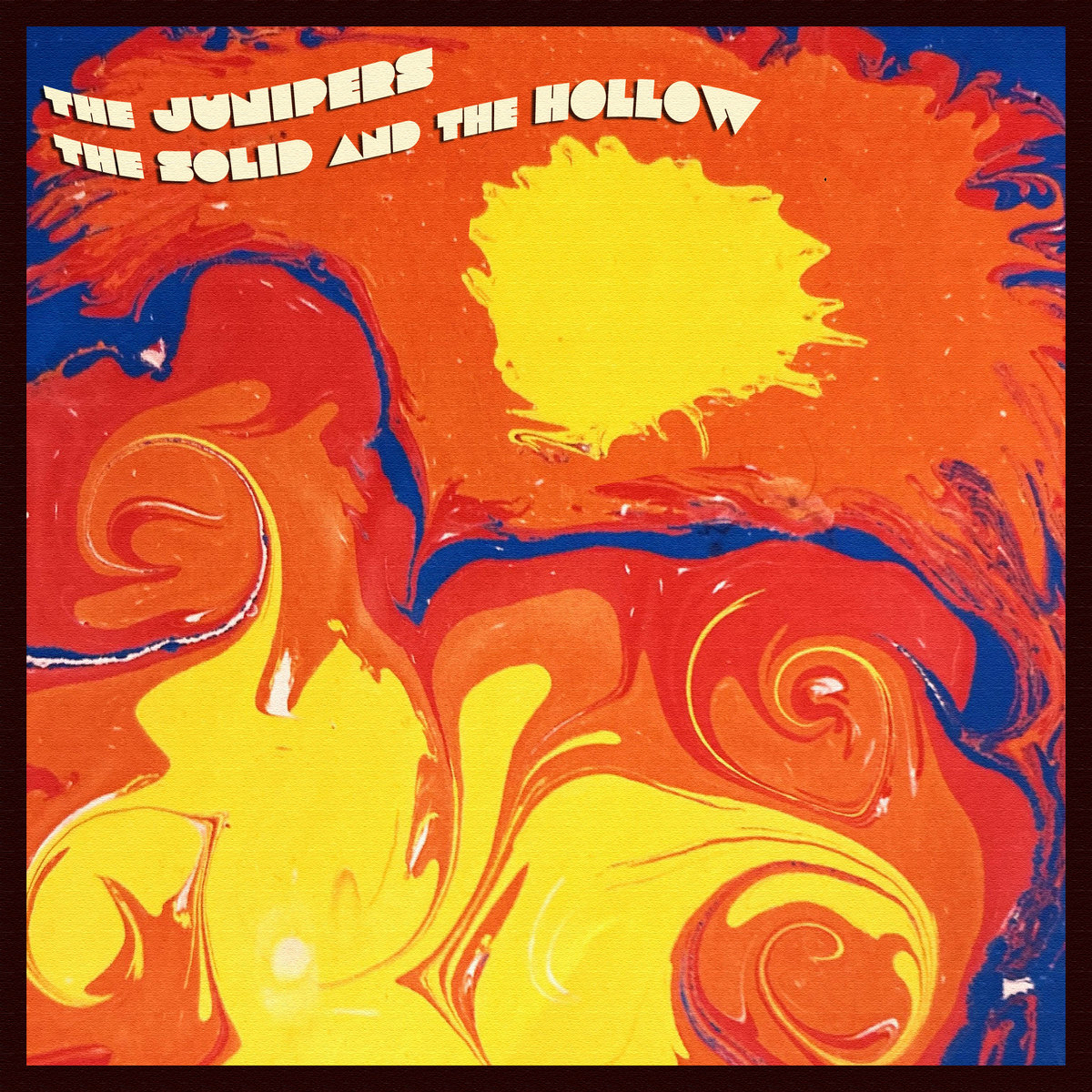
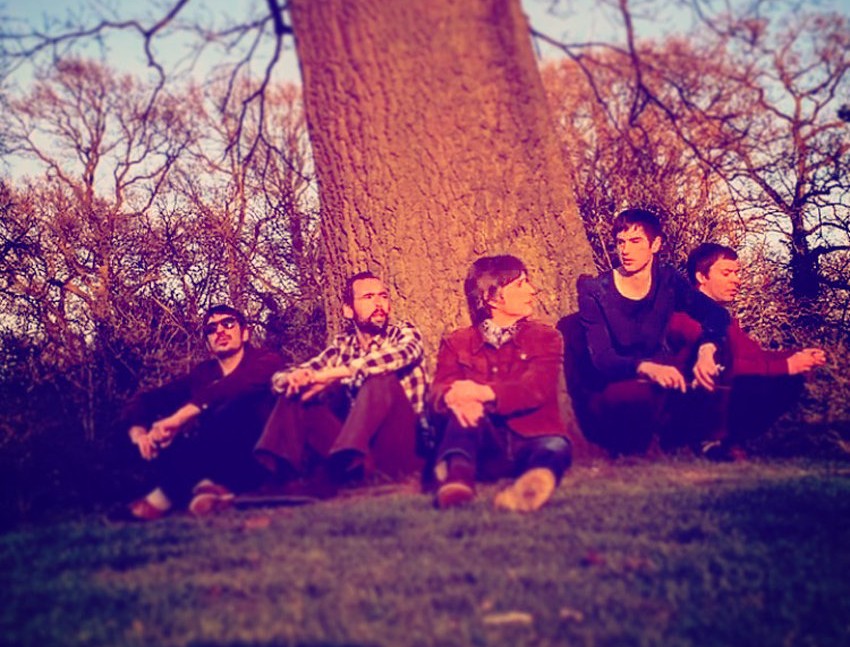
Finding a psychedelic band previously unknown to me is nothing new today, the scene seems to throw up a plentiful supply in 2026. But occasionally, as has occurred with my coming across Leicester’s The Junipers, you check them out then about three songs in the light goes on and you find yourself shouting out “this lot are the real deal!” So, for those who do not feel like reading on, the headline is that this is a great 2026 psych pop album; for everyone else here are some reasons why. ‘Oneless’ is a breezy beginning, you can feel yourself taking off and blowing through the clouds looking at the people down below, “doing what they do.” As lift offs go, it certainly encourages the listener to get on board, the floating nature of the jangly textures is far from lightweight, the voices build on top of each other with a celestial comeliness and there is just about enough of a sigh in the air to ensure avoidance of anything too flowery or whimsical. What happens next firmly locks us in; the thwack of a single drum followed by the steam engine propulsion of a pacy fuzzy guitar hook ushers ‘When She Turns’ to the front. This is psych pop with energy and bite, a little echo of the early nineties’ bagginess but essentially a groovy little nugget for this new 21st century age of psych. ‘She Makes The Sun Shine’ says it all in the title, although once again this bright burst of glorious sunshine pop is rammed in authentic detail. There is a breakdown with cascading vocals that halts you in your tracks like a stun gun and if you care to listen deeper into the mix, those electric stringed arpeggios are merely the front of house for an audio menu that features backward guitar effects, ‘Revolver’ era McCartney bass lines and the most colourful Byrdsian major-minor harmonies you could wish to hear.
I try to make a point in reviews of not flagging up obvious influences if the artist does not do them justice or simply fails to be as good as the music they are trying to emulate. However, I mentioned two mid-sixties giants just now not because The Junipers are photocopying the past, more due to their impressive re-purposing and preserving of classic sounds and to applaud them for justifiably wearing those connections on their sleeves like badges of honour. This band are potent because they are getting the basics right so above all period reference points; my enjoyment of this album boils down to the simple fact that these are incredibly good songs. Not that the studio work is failing to sprinkle some magic on the produce as well, quite the opposite. The way those keyboard chords ripple out as if we have divebombed the deepest lake on ‘Fishes’ is incredible, not to mention how a rising slide guitar sound evokes the sense of emerging once more to the surface. ‘Meadow Song’ similarly paints a picture of the tune’s situation, those chiming acoustic notes tangibly sounding like they were plucked whilst taking a walk through the long grass as the sun begins to set.
‘Swan’ keeps the action outside, each element of the tune appearing to act in response to its surroundings. The semi-discordant haziness that briefly appears is a powerful brush stroke, to these ears early seventies children’s TV performed by hand puppets appear in the mind out of nowhere, a little bit dreamy with a tiny touch of eery but that could just me my memories, still that is how music works after all. ‘Where I’m Landing’ pushes feelings of uncertainty to the fore, the lyric speaks to loneliness coupled with an easy going, fatalistic attitude to whatever fate might deliver. Here again, despite any bumpiness at the heart of the song, the soft malleable nature of the sound acts as a cushion. ‘Who Can Say?’ retains the head vibes at the table, there has been a definite shift towards the matters of the mind as we approach the close. I am thinking of bands like Beachwood Sparks here too, which again is no bad thing. Still, change does jump back one last time, as ‘In A Maze’ picks up the tempo and reminds the listener that, in some parallel universe, The Junipers are one of the top pop bands around. Then finally, this sumptuous song suite closes with the piano led melancholy of ‘Moments Of Truth.’ Plastered in mellotron sounds, it underlines what a sonic delight this little excursion has been. What can I say, I love psych pop, I love psych rock and I love great songwriting; The Junipers have delivered all of that in one kaleidoscopic treasure of an album, go out and find it today.
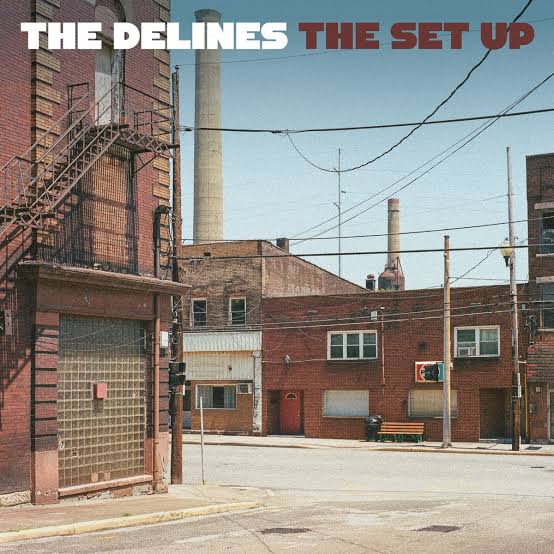
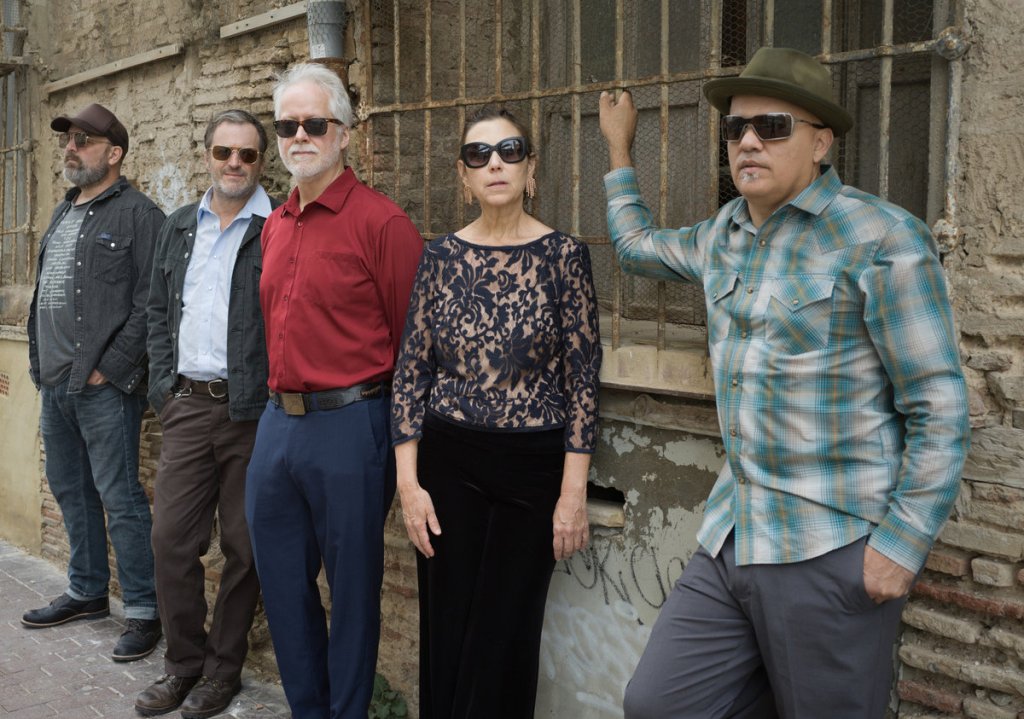
Considering how grand and satisfying a listening experience this whole record is, it may be surprising to learn that The Delines built it almost as an afterthought following 2025’s ‘Mr. Luck And Ms. Doom.’ These were tracks that had been leftover following those sessions, which makes it quite remarkable how cohesively stitched together this all is as a thematic song sequence. Call it a concept album or a piece of audio cinema, however you view it, ‘The Set Up’ is a deep and fantastic work. The album begins with ‘The Set Up Pt 1’ which with its mournful, late night street corner ambience and forlorn trumpet figure occupies a similar space to Springsteen’s ‘Meeting Across The River.’ Placed here however, as a scene setting curtain raiser it plays more like an overture while our narrator tells the story of an arsonist burglary that went rather well for the perpetrators. A trace of envy is easily detectable in the voice, imagining them today with their feet in the Spanish sand. That desire for escape, to be free from living a life on the poverty line is keenly felt throughout the album and explicitly stated in the title of ‘Can You Get Me Out Of Phoenix.’ This is a stunning piece of music, warm as southern soul but contemplative and yearning too, it resists the temptation to dream of a better life by remembering all the things that can go wrong. This actually serves as a set up lyric for the gut punch of death that arrives halfway through the song and yet, somehow, we are still lifted by the slow pulse of the music even while our feet remain grounded in reality.
‘Jumping Off In Madras’ reprises that aching, streetlight trumpet, its role on the album becoming something akin to a wordless secondary voice. This is actually a clever detail by The Delines because some of these audio tracks are plainly beautiful, even as they feel covered in sorrow, and warrant some appreciation simply as images in sound. That said, ‘Dilaudid Diane’ is built on a simple church-like piano with organ figure and punches through thanks to a vocal that is positively bleeding with empathy as it recalls the sad tale of the Diane in the title. ‘Keep The Shades Down’ is a let’s get it on soul gem with a difference, as the cajoling for human connection is played out despite a background of enforced austerity and an unforgiving outside world. Maybe there are other songs that have essentially said “let’s make out because it’s all we’ve got to enjoy” but, at the moment, I cannot think of another that paints this scenario with such depth whilst avoiding any tired cliches. ‘Getting Out Of The Ward’ is another vivid instrumental, this time led by a piano movement that slides into waltz time and yet, as the music instils a sense of stepping out into the open, that trumpet again weighs heavy, as if the open air is fraught with tension and danger rather than a space to breathe easy.
‘The Set Up Pt. 2’ introduces a seventies crime movie texture, with the story of an embezzling Brenda again causing some approving thoughts for someone brave enough to do the necessary and get out. Another layer is subtly peeled away though, and these private revelations are revealed to be part of a bigger ruse later when we reach ‘Pt. 3,’ but I will not go all in with the spoilers and leave it there. For now, the next phase of this audio adventure is ushered in with another album highlight, ‘The Reckless Life.’ You can picture the scene, being regaled with these stories propping up a late-night bar, several drinks in as a vintage soul band fills the room with retro flavours, the moral of these stories being realised with the thought “a reckless life ain’t reckless until that one day when you finally get caught.” It begins to feel like the seeds of trouble are going to catch up with a few of the characters introduced on this journey. ‘Walking With His Sleeves Down,’ a distant cousin to ‘Mr Bojangles’ perhaps, tells the tale, over gentle sympathetic piano, of another good man beaten into submission by the struggle. ‘The Meter Keeps Ticking’ marches along musically even though the hospital bound figure at the centre of the song feels like he might make hell freeze over. When our movie concludes on the instrumental ‘The Last Time I Saw Her,’ the imagination brilliantly runs wild with what may have become of these souls, its pitter-pattering falls like a heavenly requiem. Wow, with records as well constructed and crafted as this coming out in 2026, I feel sure the album as an art form remains in extremely healthy shape, I give ‘The Set Up’ the biggest possible recommendation.
The big news story at the moment, for those of you disinterested in English football, centres around the most successful and tediously dominant side over the past ten years, Manchester City. They have been able to invest financially heavily in their team and all-round operation for almost two decades, thanks to the funding of their owners, an investment group who count among their numbers a member of the ruling family of Abu Dhabi in the United Arab Emirates. Abu Dhabi’s ruling family are believed to have vast economic interests and therefore it has been accepted over the recent years and seasons that this is where the money has come from to invest into Manchester City. However, the English Premier League has been bound during this period by a Financial Fair Play system, designed to prevent clubs from running at a massive loss and simply throwing money at a team, buying the best plays across the globe, paying the highest wages from a bottomless pit of funding, the kind of which most other teams cannot compete. Now, it has been declared widely in the press this past month, following an investigation lasting years, that Manchester City are guilty of financial misconduct. The general understanding is that by cooking their books essentially, they made it falsely look like the source of their funding was coming from legitimate marketing deals and such like.
Now I am not writing an article attempting to get into the nuts and bolts of that story; if you want to read about it, it’s everywhere right now. Besides, it is far from over. Manchester City are still stating their innocence and there is bound to be an appeal, but all the same, pundits and fans are deep in discussion about the appropriate levels of punishment that should be handed out. There is talk of relegation to lower leagues, bans on transfers, points deductions and most aggressively of all, that the trophies they have won during the years in question, which there were many, will be declared null and void thus, presumably, being belatedly awarded to the team finishing second on each occasion. That does, and this is not something I have ever felt before (1981 FA Cup Final perhaps), make me feel quite sorry for City fans. Yes, they have had it unbelievably good for a very long time but, it is not the fans or even the players fault that these shenanigans appear to have been going on behind closed doors. Football fans invest their time, money and lives into their clubs and being a Manchester City fan was hardly a glory ride prior to the 21st century. Now they are going to be told that all the memories, the celebrations, the shared moments of victory, the parades, love and appreciation they have thrown at their heroes on the field since 2011 no longer count. Like they have got to recalibrate their memories because what they think they saw, the triumphs they felt they witnessed and the trophy pictures they hung on the wall to preserve those happy feelings did not actually happen. If that dire fate hit my team Arsenal, I think I would just quit watching football altogether.
But all this has got me wondering, what if the same standards could be applied to music. What if there was an independent panel who could go back over the charts and the hit parades, right back down the nineties all the way to maybe the sixties, through the eras when the charts felt like a weekly competition that people actually cared about? Try and apply the rules so that any artist or act who had their mediocre music inflated because of a TV advertising campaign that independent bands could not afford have their chart positions adjusted accordingly. Try and make assessments based on who got the most exposure compared to those whose releases, especially ones that have gone on to receive some critical re-appraisal and appreciation, were buried or mysteriously failed to find their way to the shops because of some vague distribution problem. Once started this policy could really snowball, I mean every manufactured act that found their way to the top of the charts because they were boosted by exposure on Saturday night prime time TV in the 2000’s would be scrubbed out instantly. Clearly the public might have to take some responsibility for falling for it, but what if the only time you get to think about music falls on that weekly TV slot where there is a robotic man, elevated to a position where people actually believe he is an authority on music, is telling you the acts his talent show are promoting are the best the industry has to offer in any given year? Then the only time you get to think about purchasing music is on that weekly trip to the supermarket and there, front and centre of the limited CD selection are the very acts being touted to you as the best recording artists of the day? And maybe your children quite like them because they are not being exposed to anything else either? It was nothing short of a crime against music; at a time when people should have been trumpeting the wonders of Belle & Sebastian, The Coral or Rufus Wainwright they were having Will Young and Gareth Gates shoved down their throats. It has gone on to this day; I saw a film with my kids not that long ago about a singer discovering he was the only person in the world who could remember the Beatles catalogue and so claimed the songs as his own. A central ruse to the story was that Ed Sheeran…yes Ed Sheeran… is the modern-day comparable talent to The Beatles. And they presented this notion straight, not a hint of comedy. Honestly, it should come with fact checking subtitles if that kind of idea can be stated unchallenged. And maybe it is true, perhaps in terms of chart placings Ed Sheeran really is on a par with The Beatles, but that merely adds fuel to the fire of my argument.
OK, good to get that off my chest, enjoy the monthly playlist…dig in and dig out etc…
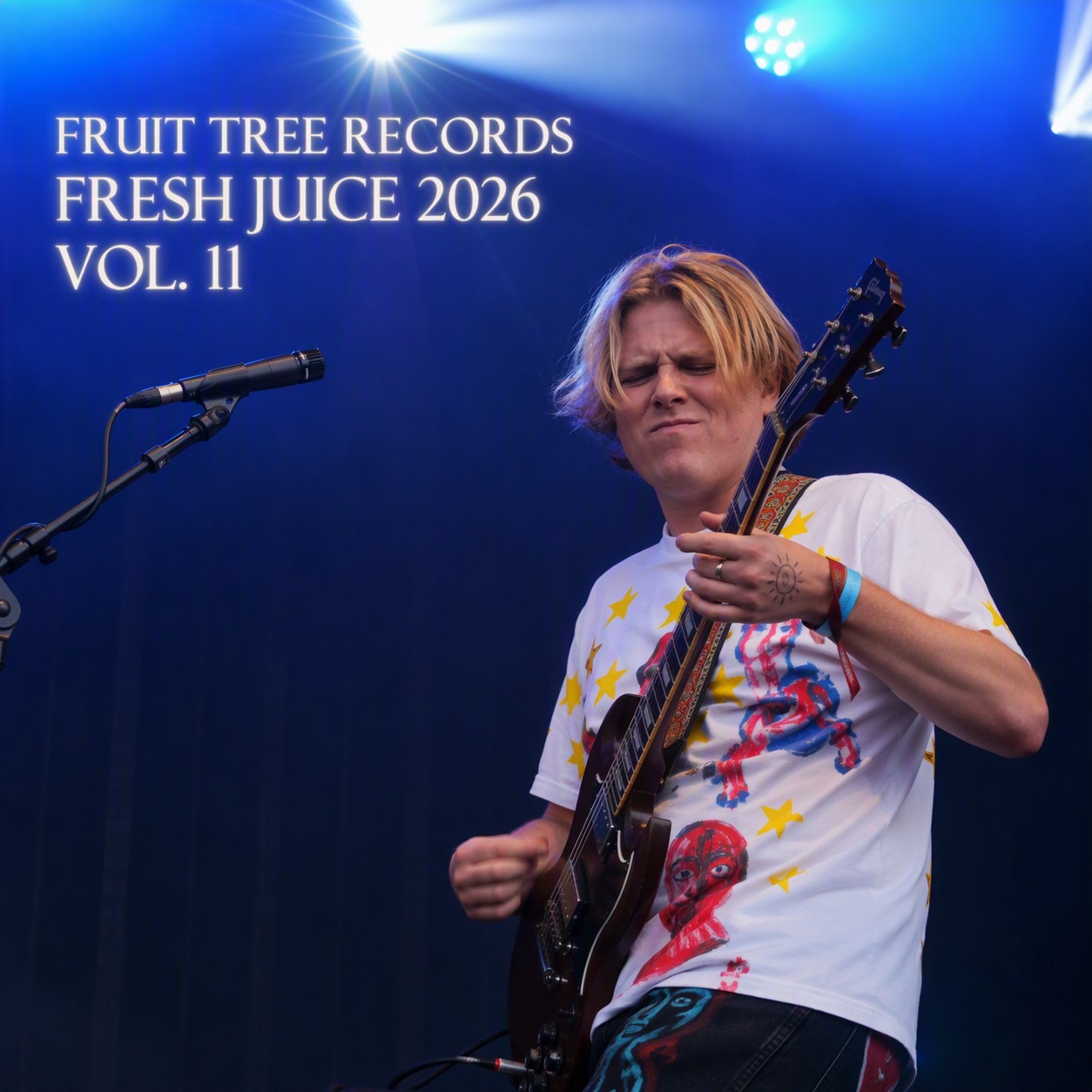
We have made a few changes for this autumn, going forward the ‘Fresh Juice’ feature on this site will be merged with the Mixcloud playlists of the same name… meaning you find all the ‘Fresh Juice’ (a selection of our favourite new releases across multiple formats) all in one place. And here it is with its 11th edition – The Fruit Tree Records Fresh Juice 2026 Mixcloud show along with all the usual video clip links and release information… dig in and dig out!
Ty Segall – Black Paint
We kick things off with the cover star for this edition, Ty Segall has just released ‘Chrome,’ a blistering new LP of garage rock with a band that features Emmett Kelly on guitar, Evan Burrows on drums, Mikal Cronin on bass and Ben Boye on keys so check it out right here: https://tysegall.bandcamp.com/music and see the ‘Black Paint’ video here: https://youtu.be/LPudkEzu03E?si=1wPM5CnT1iDFp7yG
The Ific – Never Going Back
Rogue Records are a French based label dedicated to the classic seven inch single format but even better than that, they also have a commitment to putting out scintillating fresh nuggets of garage rock on a regular basis. You can investigate how to buy the latest offering by The Ific here https://roguerecords.bandcamp.com/album/never-going-back and see some filmed live action of the band here: https://youtu.be/1vtIiOAa7iw?si=1EUyOWj5UpZHtC6U
The Creepy Jingles – Throw Me In Some Rice
Here are some more superior US sounds from yet another exciting act on the Enigmatic Brunch label. They have just released the extended EP ‘Against All Opps’ which features a reshuffled line up and is featured more extensively in the New Release Review section of this site but, if you fancy a bit of try before you buy, just check out the music mix and then follow the YouTube audio link provided, you won’t regret it. Head this way: https://thecreepyjingles.bandcamp.com/ then move it on over here: https://youtu.be/OKZnvy3cOoI?si=XXCA75I8NeejyFwv
Son Lux – Want You To Love
Another band whose bold new album ‘Out Into’ has been heavily featured in the New Release Reviews section of this site. This is art-rock with tangible pop and soul influences thrown into the mixer that manifests as bold music of a higher stripe. There is some fun going forward! Find out more about the band here: https://sonlux.bandcamp.com/ and check out some recent live concert footage of this very track here: https://youtu.be/dkjvhfRfFQ8?si=LxkBlGmW0l_1ZEkE
untitled – Tinted View
Adopting the current trend for bands to write their names in either an entirely lower or upper case font, untitled caught my attention not for their quirky use of lettering but more due to their wholesale capturing of that authentic nineties grunge sound. More information is available through their website here: https://untitledrockband.com/ and the visualiser accompanies the track here: https://youtu.be/66ohqfkT9WM?si=rFcOTgbYMIoOAACS
Le Ren – Free Wheeling
Taken from the latest album ‘Don’t Be Funny Without Me,’ an album that I consider it to be worthy of and rewarding to anyone who gives it some repeated listening. You can find out how to buy a copy via this link: https://lerenmusic.bandcamp.com/ and see more Le Ren here: https://youtu.be/1x8kCOXckDg?si=d_8PRZFURKM6Xe78
These nineties indie pop legends from Australia are returning with a new album on Slumberland Records called ‘When You Smiled You Turned Away’ on 23rd October. They remain fantastically warm and melodic, wrapped in a blanket of melancholy so if you like what you hear, be sure to find out more via this link: https://thecatsmiaow.bandcamp.com/
Gilbert O’Sullivan – Growing Old Disgracefully
We don’t discriminate here, if the old guard are still producing the goods then they get featured too and I doubt there are many with ears who could convincingly argue that O’Sullivan has not still got those singer-songwriter goods in full working order. He is releasing his 21st studio album ‘On The Record’ via BMG on November 6th and you can get ahead of the game and pre-order here: https://www.gilbertosullivan.co.uk/ Then check out this superb fan video for the ‘Growing Old Disgracefully’ track here: https://youtu.be/ZPTlmtmtvC0?si=z55za9_vQ2Onf3Ey
Kalos – Pretty Good Friday / Ladybug
Some essential new Celtic fiddle folk now and what a tantalising taster for the forthcoming ‘Tamarack’ album it really is. It arrives on 9th October and you can read more about this trio, “masters of tradition who set the standard for traditional repertoire with an underlying drive and pulse charged with rhythmic electricity and integrity” via this link: https://kalosband.bandcamp.com/ Also, take a look at this clip too: https://youtu.be/faQQOhoyPxs?si=CRYL0RnddEZmRNV0
White Rose Motor Oil – You Can’t Take Me Down
We kick straight back into some pure and pounding, vintage style rock & roll next with this electrifying duo from Denver who are proving to be masters of the cowpunk / garage country groove. They proudly declare themselves AI free but one listen will tell you that; this track is set to appear on the forthcoming ‘Spider’ album, due to be released on 31st October. Find out more via this link: https://whiterosemotoroil.bandcamp.com/ and be sure to check out this live video from earlier this year: https://youtu.be/hDHzEW13KR8?si=txkPm4_VbXj9W1WB
Pokey LaFarge – Hambone
Here is another artist who is taking the battle to AI, promising that he will not give in to the general malaise and fight it with all his might. Of course, he doesn’t really need to tell us that because anyone who has already encountered this wonderful, preservationist, song writing and performing musician knows he has been doing that very thing all along anyway. None of that has changed on latest ‘Rent Money’ LP, in fact, he is sounding better than ever. Check it out via this link: https://pokeylafarge.bandcamp.com/album/rent-money and enjoy the ‘Hambone’ video here: https://youtu.be/vJ9HVbsjbC0?si=yevwv5klPCV_EJ4J
Kathleen Winters And The Checkmates – Bow On A Bone
How about we follow that up with some undeniably authentic sounding rockabilly? Well, it has happened anyway and as soon as I heard this track, the first original composition this band has written, it had to go in. They are made up of Kathleen on rhythm guitar and vocals, Jacky-Lee on electric guitar, Freddy on the bass and Luigi on the drums and you can find out more here: https://kathleenwintersthecheckmates.bandcamp.com/track/bow-on-a-bone then check out the video this way: https://youtu.be/DyAbLvTe4yA?si=TAoOy64u5x7Q7SgJ
Hollow Hand – Here Are The Tulips
The new Hollow Hand album ‘Wish Road South’ has already been covered extensively on these pages so be sure to head over to the reviews pages if you haven’t done so already. Sometimes though, it is just best to let the music do the talking and that option is put to you via the Mixcloud show and via this link: https://hollowhand.bandcamp.com/ and also through this video: https://youtu.be/_l2IjemvcWM?si=y14xHKr06AteGc53
Brother Wallace – Top Shotta
One of the best soul music albums of the year, ‘Electric Love’ by Brother Wallace, was reviewed here back in the spring. Having caught him recently doing the live rounds I have to report, time is already aging the album rather well and so here is another slice of the Brother’s good groove. Find out more here: https://brotherwallace.bandcamp.com/ and enjoy some live footage this way: https://youtu.be/qpsSw1XkK90?si=glJa6DH5slVQXffa
Menahan Street Band – Palace Of Illusions
The title of this soul collective’s forthcoming album is ‘Illusions,’ due to arrive on 13th November via Diamond West. It is reported to be an album that has recaptured the magic that brought them together in the first place and this sneak preview does indeed seem to confirm that. More good stuff to come soon no doubt and you can make sure you don’t miss out by heading this way: https://diamondwestrecords.bandcamp.com/ and then visit some vintage live footage with the late Charles Bradley here: https://youtu.be/cmN-NO30hEE?si=-rObcS48t66RSisR
Mynolia – Holy Line
This is a new artist with a single out now on Full Time Hobby. It is a hazily dreamlike track that has enough of a pulse to spark further curiosity for what might follow. All I can tell you at this stage is there will be a full album arriving some time in January but for now, you can investigate further by heading this way: https://mynolia.bandcamp.com/ and also see the video over here: https://youtu.be/N8t2RNhZB_k?si=IXZJEkn_S8kki_A6
Hannah Gill – I Like The Sunrise
And we close this edition with an artist who is being touted by many as an amazing new discovery, this despite the fact that her releases can be traced back at least ten years. There is definitely much to explore should you wish but I recommend beginning with the angsty new album ‘I Like The Sunrise,’ the title track of which closes this mix with undeniable panache. Physical editions of the album arrive on 16th October and you can find out more here: https://hannahgillmusic.bandcamp.com/
And just in case you missed them, here are links for Fresh Juice 2026 Volumes 1 – 10
There is a moment during the Memphis soul style strut of ‘For No One’ from this latest Nicole Atkins album, her first of all new material in six years, where she sings “don’t let a good wine go to waste.” As a metaphor for the sumptuous melange of ages and sounds heard throughout this record, I cannot help but think it is on the money. Everything you hear on ‘Drama’ in terms of sound aesthetic contains echoes of golden eras of recorded music. Be it film noir, the panoramic orchestrations heard on classic Roy Orbison tracks, the lush heart string plucking arrangements perfected for the Nashville sound, the trip-hop moodiness patented by Portishead and even the scene stealing dramatizations washing over a Bond theme tune, this is a soundtrack performed with so much class you could probably get away with mislabelling it as the work of the Wrecking Crew. However, as much as these mostly live cut audio expressions make the record sound incredible, they are nothing more than the decorative choices of an artist with a great ear; the element really standing out is the quality of the songs. Nicole Atkins has stepped back into the ring armed with a collection of numbers that are demanding their place in the cannon of classic American compositions. Nicole has explained her modus operandi as “not trying to rehash or celebrate some bygone era. I’m just taking what I like melodically from the past and channelling it into my songs. I like to make them deeply personal. The question I come back to is – how do I make this sound exactly like me?”
None of this is fresh news of course, ever since she released her 2007 debut album ‘Neptune City,’ Nicole Atkins has stood tall as part of a rich new breed keeping the spirit of classic popular song craft not only alive, but an essential part of the modern music listening menu. She has always sung with clarity and force, untroubled by the kind of vocal crutches that seem to hold back too many mainstream vocalists. Nicole puts a song over the old-fashioned way, although such is the effectiveness of her method that there is really nothing vintage about it, it simply remains the best style available today delivering the treatment these tracks demand. By getting inside the heart of the lyric, feeling it, and stepping up with such commitment it ensures no nuance of the song is going to be missed, the Atkins identity is indelibly stamped in these grooves. It all makes me ponder how, sometimes the best artists have nothing more of a USP than just doing the basics really, really well, to a standard that pretenders cannot hope to get close to. Perhaps the problem with this kind of performer is that there is nothing particularly headline grabbing about simply being very talented and incredibly good at your craft, too many people need more sensationalism or a troubled back story to offer their attention but I am here to tell you, putting a brick wall up against the hype machines and trusting your ears around a talent like Nicole will only lead to good things and a life enriched by brilliant music.
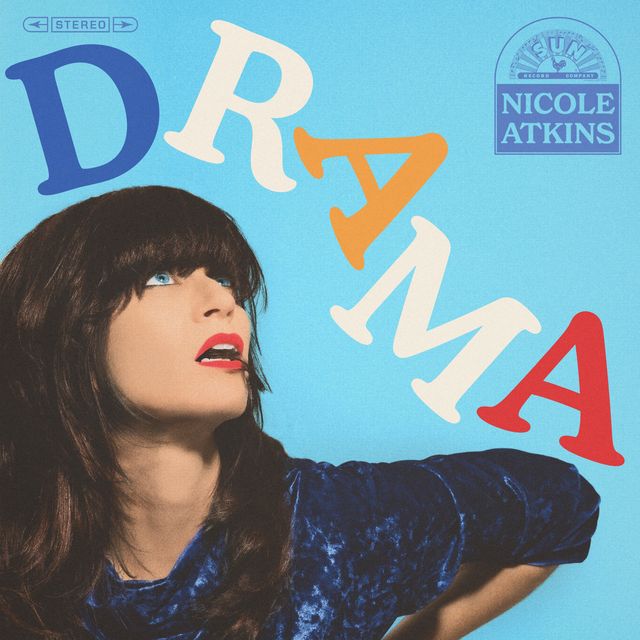
By her own admission Nicole approached this record from a place of power, recalling where she was two decades ago releasing a debut and the relationship troubles fuelling inspiration at the time. She admits to being bewitched by the sound of heartache and so deliberately re-connected with the circumstances and troubles faced back then, re-purposing and aligning them with today’s extra life experience and self-growth, so as to produce a new perspective on age old themes of love and life. The signposts are all over the album cover, a bold comic strip style depiction of Nicole looking fearfully up at an oncoming avalanche perhaps? And yes, that really is the famous Sun Records logo you see at the top right corner, her friend and touring partner Chris Isaak (who has a cameo appearance on ‘Cue The Symphony’) having signed her to the label as part of a current drive to honour its legacy by releasing vital new titles such as this. To these ears ‘Drama’ has the potential to become one of the signature albums in the labels catalogue. Nicole has produced a collection where every track could be a single, she nods to girl-group pop with ‘Trippin On Teardrops,’ an electro pulse on ‘Singing In The Mirror,’ Jimmy Webb worthy classicism on ‘When The Night Falls,’ all this and so much more before finally closing with some jazz leaning balladry on ‘Softly As You Were.’ As a whole, this album is a masterclass in dramatic, lovelorn song writing, executed with pazazz and sensitivity, showing a clear understanding of the musical fundamentals that can make a record worth revisiting again and again. If it sounds like a classic that may well be because, soon enough, it will surely become one.
Here is a band totally uninhibited about their love of a zinging pop hook, in fact they positively let that urge run wild on this new – all too short but undoubtedly leaving me wanting more – six track mini-album released on the wonderful Enigmatic Brunch label. The thing about pop, especially the kind of guitar pop we have here, one that references new wave and skater punk but then goes deeper into the realms of giddy psychedelia and multi coloured freakbeat, is that it has to be immediate. Well, you can tick that box off right away, I took one listen to ‘Against All Opps’ (got to love a Phil Collins referencing album title pun, haven’t you?) and right off the bat was convinced I had stumbled upon one of America’s best kept secrets. All these songs get in and get the job done on first exposure, they are short sharp punches to the earlobe and the brain because, and here is the best bit, they all still stand up to closer immersion and, more than that, enhance with a more deliberate listen. The opener ‘You Don’t Trend’ is a textbook example of what I am describing. The briefest of intros and away we go, divebombing into a punk pop nugget built on the classic verses to ear candy chorus mould and that vocal, with all its 21st century buzz words delivered like a hot slice of prime bitchiness. But let those words sink in a little, bask in the skinny-jean guitar solo before staring deeper into those sneering vocals, and it is hard not to conclude that ‘You Don’t Trend’ is actually a precise take-down of modern social tropes and shallow values, with all the vacuousness that entails taking a tumble with it.
It turns out The Creepy Jingles are not so new to others as they are to me, they have previously been a Kansas based four-piece built around the acid witted, lyrical songwriting of Jocelyn Olivia Nixon. They had previously announced themselves with the album ‘Take Me At My Wordplay’ but this new release, arriving hot on the heels of previous album ‘Washed Up,’ finds Nixon with a lightly refreshed and re-shuffled pack of musicians alongside. Maybe that explains the need for a speedy new release from this latest configuration, and if that is the motivation then playing this record more than justifies the exercise. Much is made of the humour, bite and imaginative wordplay Jocelyn deploys but with a band tearing into tune packed, riff heavy and ear worm worthy song constructs, you are being dealt a double whammy of mind and muscle in every song. ‘Stay High’ is a song that gallops into view atop the most irresistible of descending riffs and as the repeated chorus line song title circles us, staying high on this delight is pretty much the only option available. The self-assuredness in the lyric is a declaration that suggests, between the lines, this band know how great they can be. “You can’t hold me down or cop my sound, break my brain, derail my train. Stay high.”
That same confidence is explicitly stated in ‘I Don’t Need A Thing From You,’ a song with the energy and mocking aggression that used to be food and drink to Elvis Colstello and The Attractions, which might just be a reference point in my head thanks to the tracks fruity Farfisa echoing keyboard sound played by Gailen Gillespie. ‘Throw Me In Some Rice’ is where things really fly out of their lane. There is so much going on here that I should merely say go and listen to it; there are mellotron sounds, flute-like spinning textures, dramatic bass breakdowns and a moment where the drum kicks a fill, as the band fall away, that conjures thoughts of the timeless wall-of-sound production. The key to it all though is a brilliant song, a bittersweet lament fired from aching verses and a heavy-duty resolution accompanying a lyric which might be about letting your guard down but then again, the way Jocelyn paints lyrical pictures in all these songs, leaving them open to multiple interpretations, is the sign of a serious talent. As we enter the closing brace of tracks there is no slowing the eclectic range on display, ‘Funhouse Mirror’ is an Americana leaning scuzz bath (superb) leading to ‘Nu Fables’ which, with the “you don’t rock with my friends” repeat, resolutely delivers a genuine sing-along worthy moment for the Creepy Jingles audience to sink their teeth into. Jocelyn may expect all the cool kids to be rolling their eyelids now, but I don’t find it too hard to imagine an ever-expanding audience embracing this band and throwing masses of love and respect their way. On this evidence, The Creepy Jingles not only feel ready to make the leap, but they also sound thoroughly deserving.