Monthly Playlists

August 2026 Playlist

The name Wayne Rooney might not be one that readers of the music press, or musical criticism and appreciation in general, regularly associate with this particular field of the arts. For those who do not know him (I am aware that there are many readers of this site in the US and Canada so you will be many) he is a former professional footballer who became famous in the early 2000’s as a dynamic and rare young talent playing for Everton but soon enough Manchester United and England. His peak playing years were rightly celebrated for their domestic success laden, bullish attacking flare in a way that his subsequent moves into management have not been. Wayne Rooney does not come across as an especially confident or engaging communicator, whether this was too much of an obstacle to overcome in club management I cannot really say, but given that some of his managerial positions ended in the early termination of contracts it is a fairly safe guess that this was not an asset. All of which makes, for me, his current regular sports broadcaster employment a surprising appointment to put it politely (as a disclaimer I should probably add I am an Arsenal supporter so writing nice things about ex-Man Utd player Rooney does not come naturally). Often when a piece of analysis is thrown Wayne’s way, he seems diffident, over repetitive and a million miles removed from the bolshy footballing bulldog we used to see on the playing field. However, there was one piece of commentary of his during the half time of the recent World Cup Final that, I honestly believe, summed up the thoughts of millions.

The half time show at the Final was a disgrace really, such a pointless spectacle of absolutely no musical or entertainment merit whatsoever, that it is hard to believe it was desired by anyone other than Americans who have no real interest in football and the under-fire Fifa president Gianni Infantino. He had already got on the wrong side of football fans the world over by introducing hydration breaks, splitting the game into quarters for what it quickly became obvious was just advertising opportunities in disguise for US broadcasters. But his messing with half-time breaks, which should take a maximum of fifteen minutes, any longer and the players are going to have to warm up again, was a liberty too far for the majority. Pre-armed with a series of transparently untrue denial statements about the length of the time slot, the musical showpiece prevented the game from restarting for 27 minutes. At its conclusion on BBC TV, where Wayne Rooney was one of the analysists, the presenter asked all three of the experts for their reaction to the entertainment, receiving two generic pieces of half-hearted praise before turning to Wayne. “I thought it was crap.” His candour caused a bit of nervous laughing, but he brilliantly doubled down. “I’m sorry I just did. I like some of those artists but really, that was just crap.”

To be fair Wayne was probably mostly frustrated on behalf of the players and the true fans at the delay, by his own admission he was just there to see football. But this does not change the fact that the spectacle was just a load of bilge. Madonna’s opening segment was either pre-recorded or mimed or both; I hate to sound like a dinosaur, but I cannot accept choreographed dance routines built around sets and props with the music mostly, if not wholly, on tape as live performance. It is a visual feat but so what? There was way too much generic global EDM sounds and beats, indistinct and of no great distinction, and an acoustic solo piece by Justin Bieber which, live or no, sounded like nothing more than a toddler mumbling into his bedroom carpet after picking up a guitar for the first time and half figuring out a couple of easy chords. There is so much genuinely great music and talent out there, which this site shines a light on every week, that it annoys me how little it is tapped into at times like this. I mean if you must have music at least present something good, this was so lightweight that even musical co-ordinator Chris Martin decided not to pack his bouncy trainers and keep a low profile.

The other thing is it serves no purpose, the only people a mishmash of a presentation like this is trying to reach are those who have no real interest in the sport, who need a bit of variety and celebrity allure as insurance that this event is worth being seen at. But do any football fans, or the game itself, actually need Hollywood actors and big-name rappers having the TV cameras pick them out of a crowd looking bored on their phones, asking their escorts what is happening? To the best of my knowledge, football is already a phenomenally popular sport and the last thing it needs is unrelated entertainment or showbusiness add-ons to broaden its appeal. The supporters absolutely do not need it, and a World Cup Final is going to sell out, as would an entire World Cup if not priced so prohibitively, with nothing more than the football itself on the menu. If Infantino does not survive his current controversy I would love it if, next time the tournament runs in four years, it adopts a back to basic approach. No decoration, no filler, no tenuous thrills and spectacle. Just two teams walking out, lining up to sing their national anthems then immediately getting down to the playing of a ninety-minute game of football. Can you imagine what a deliciously simple and pure experience that would provide? Football is a game that, when boiled down to its core appeal, is both beautifully simple to follow and frequently beautiful to watch. That is all you need.

Danny Neill

Standard
Monthly Playlists

July 2026 Playlist

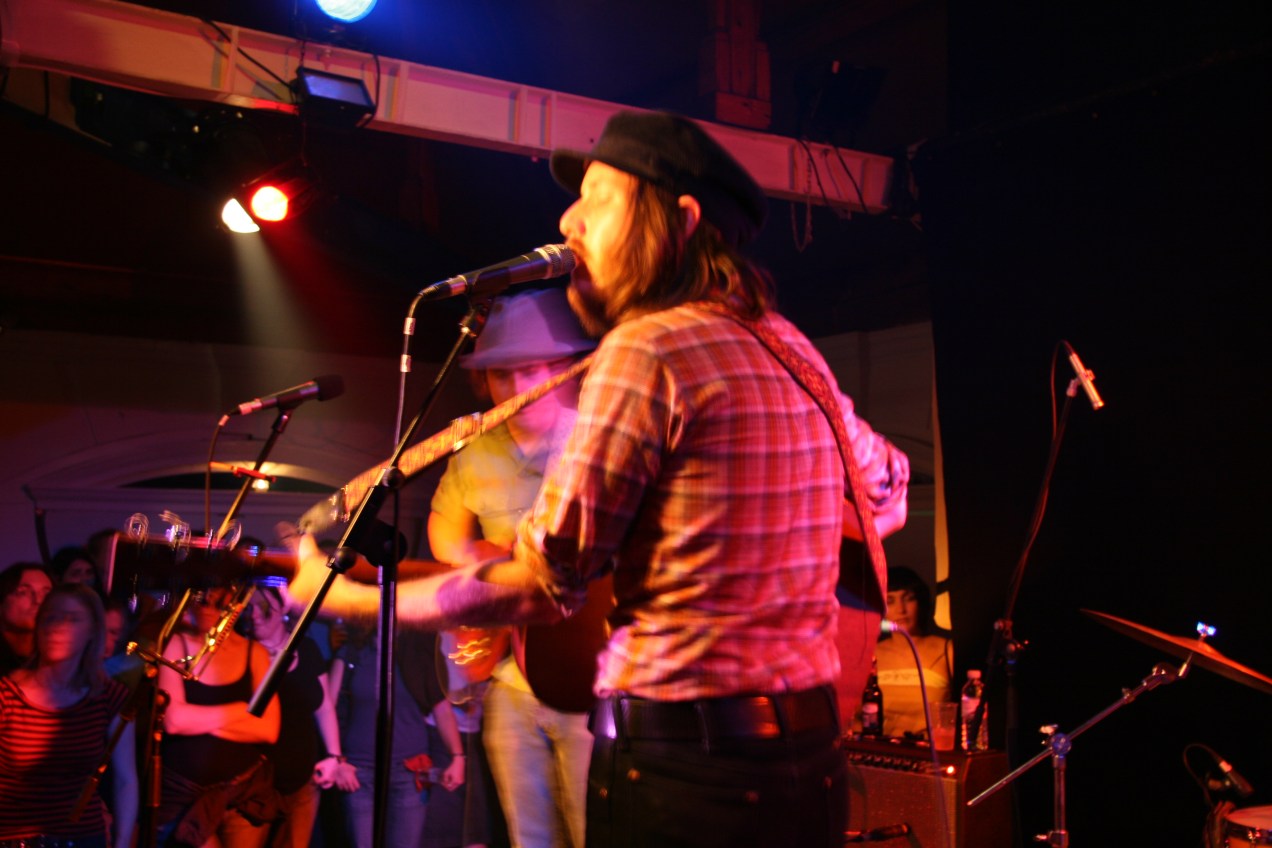
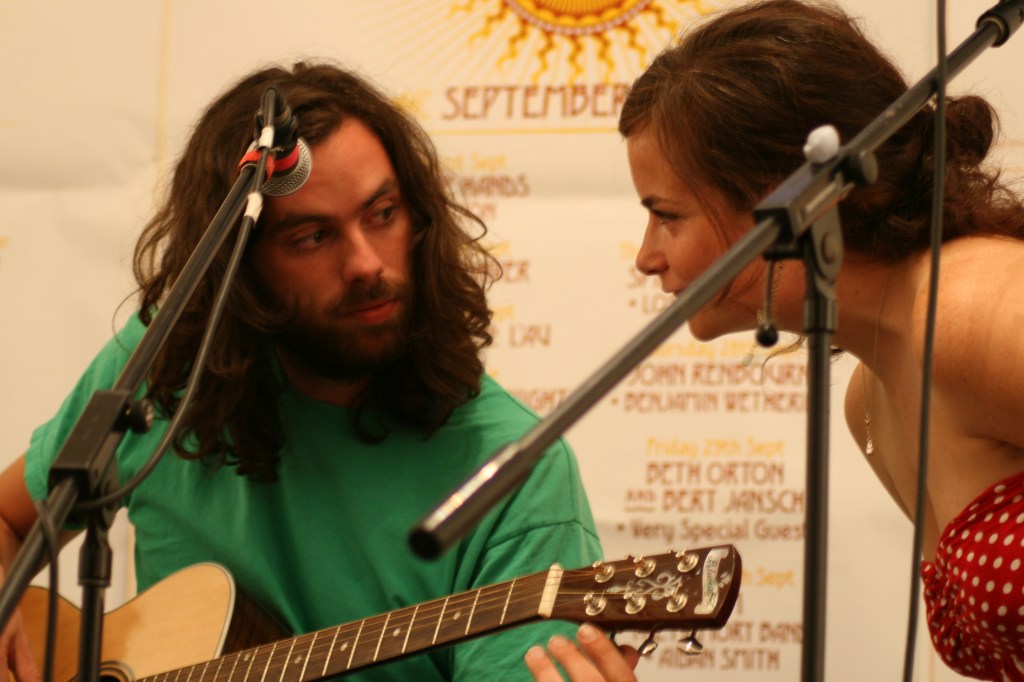
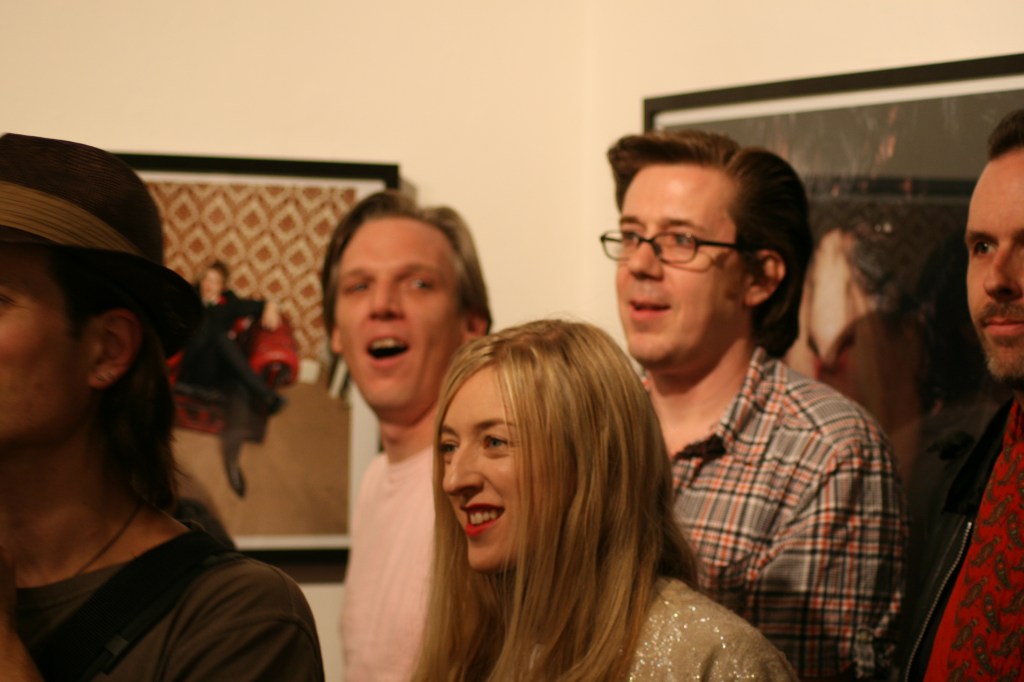
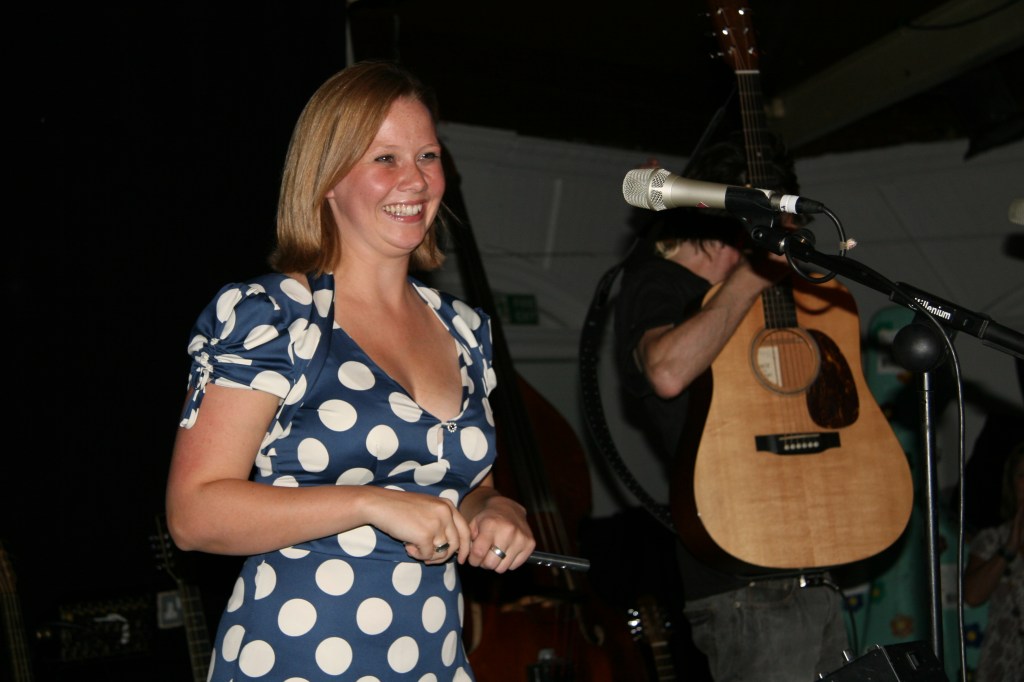
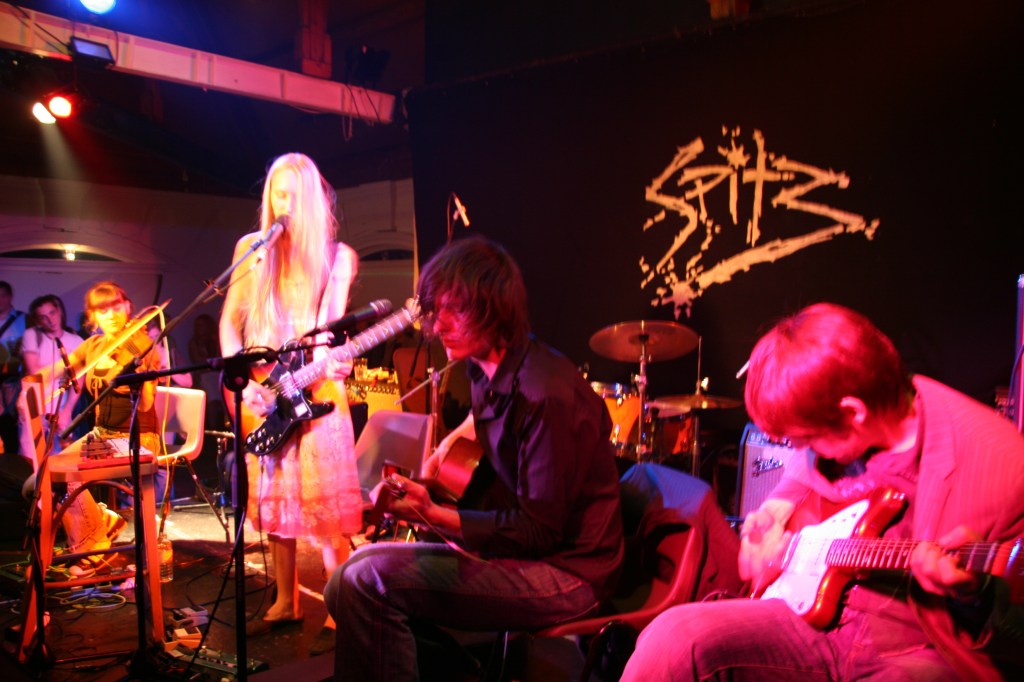
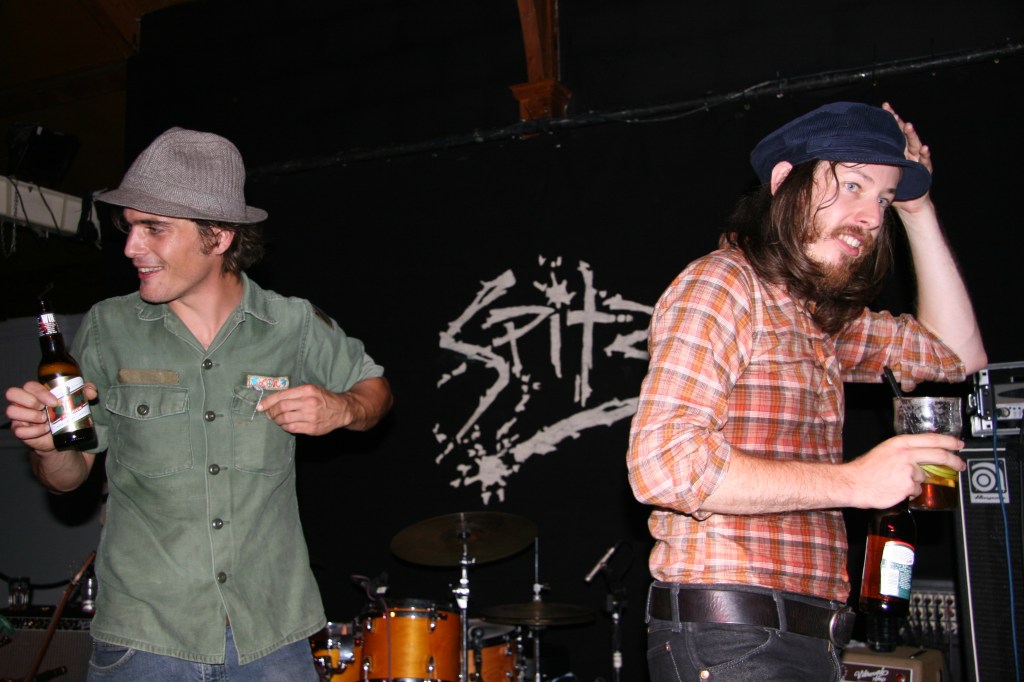
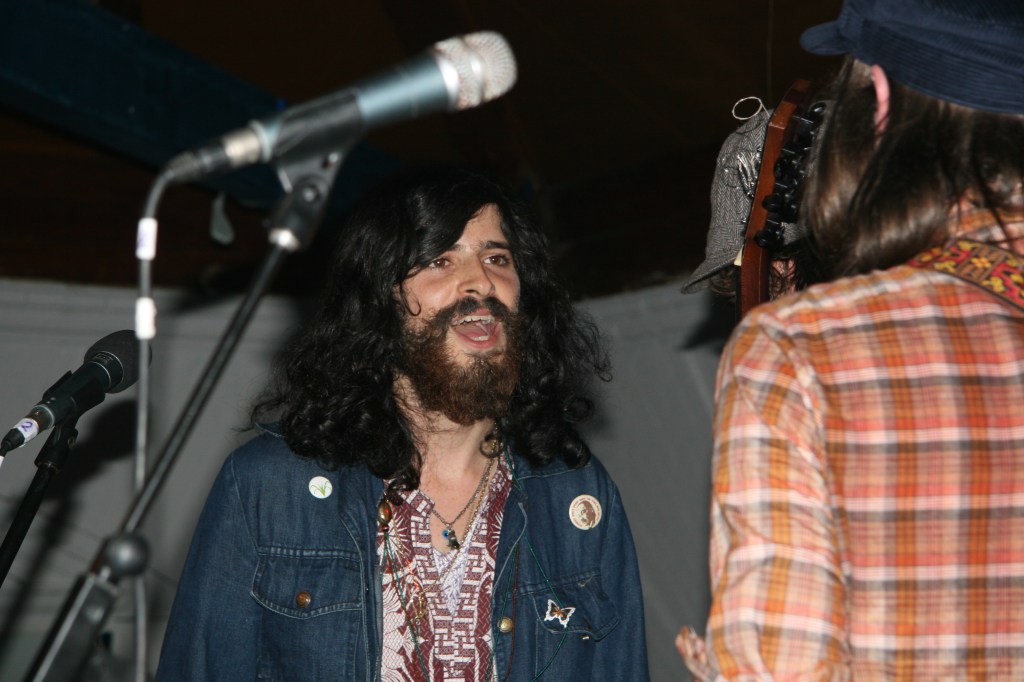
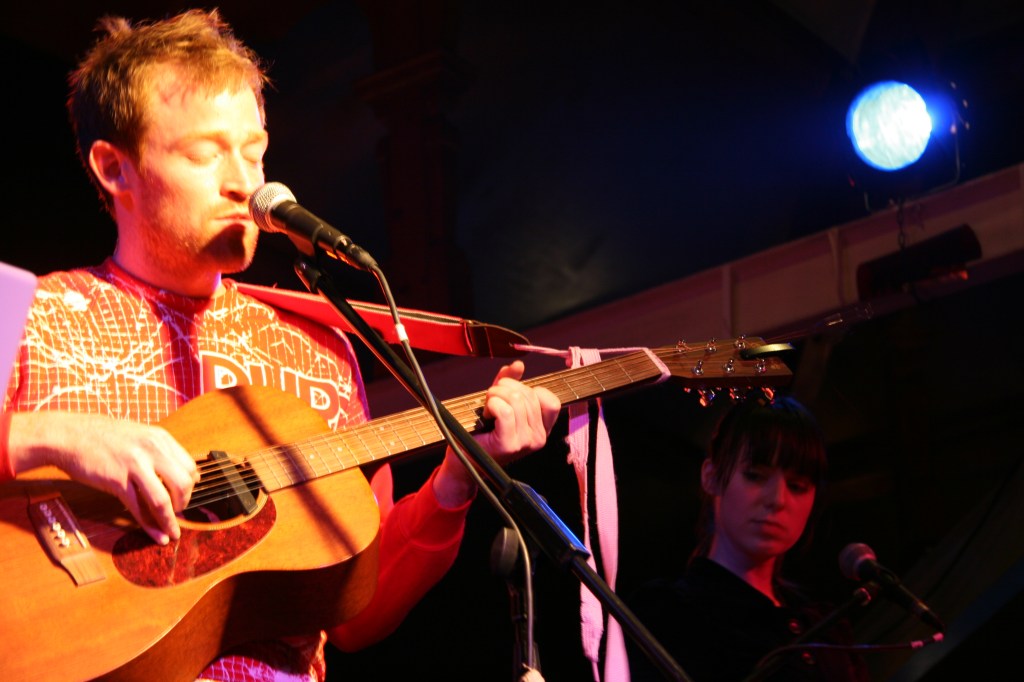
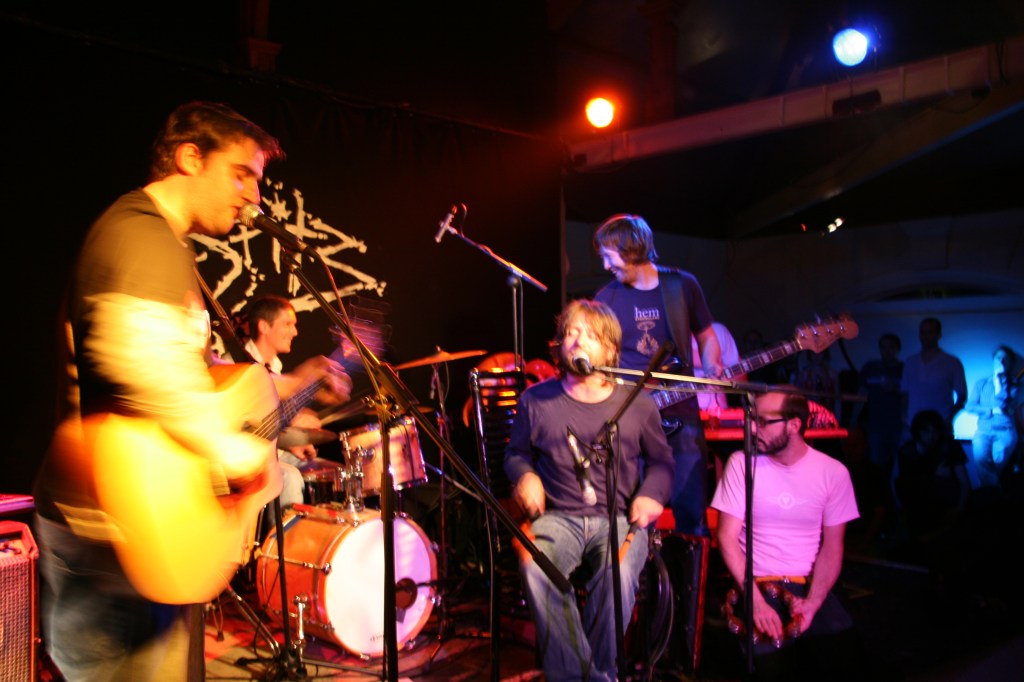
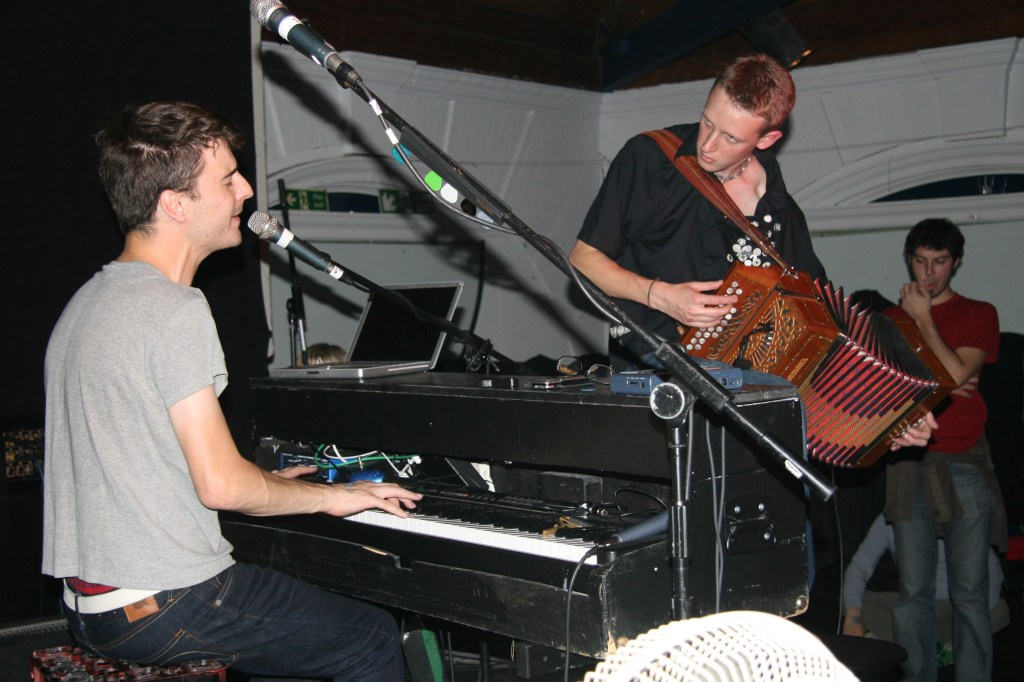
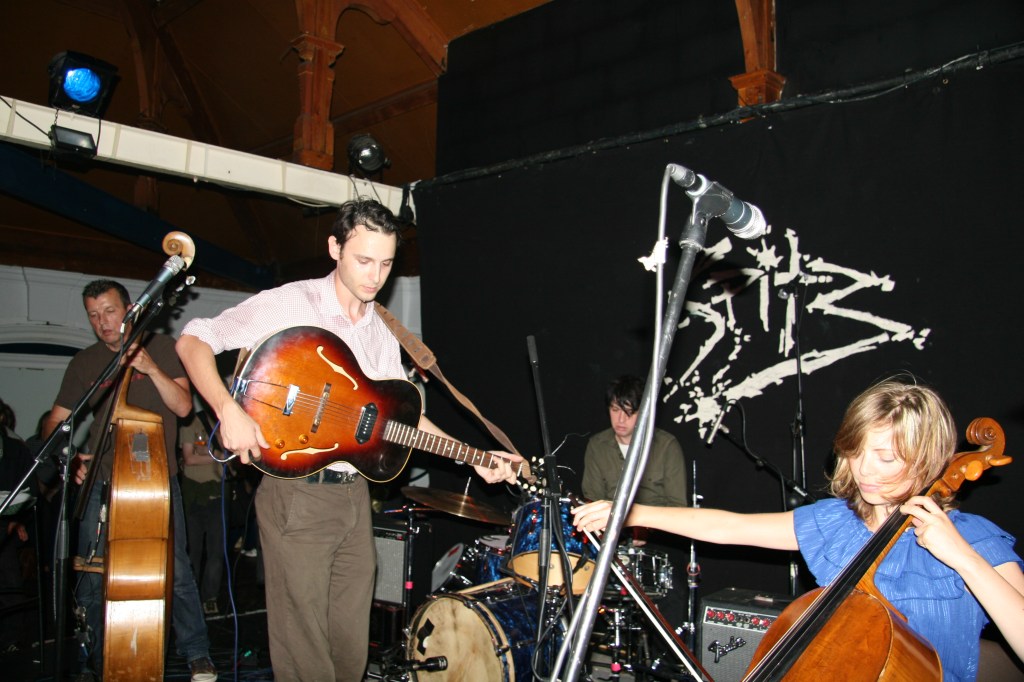
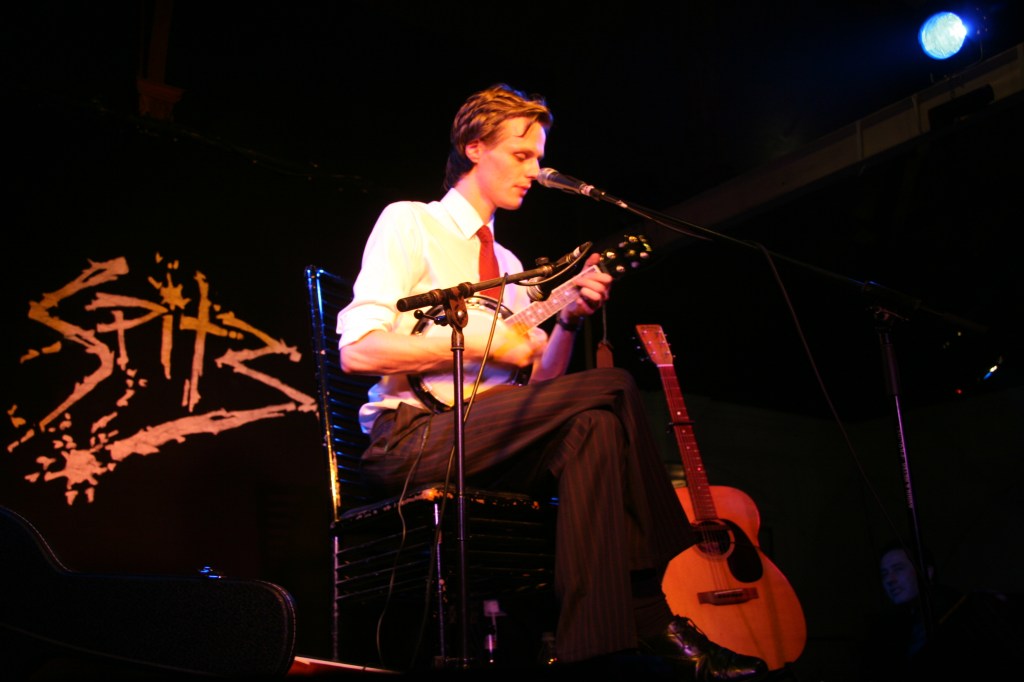
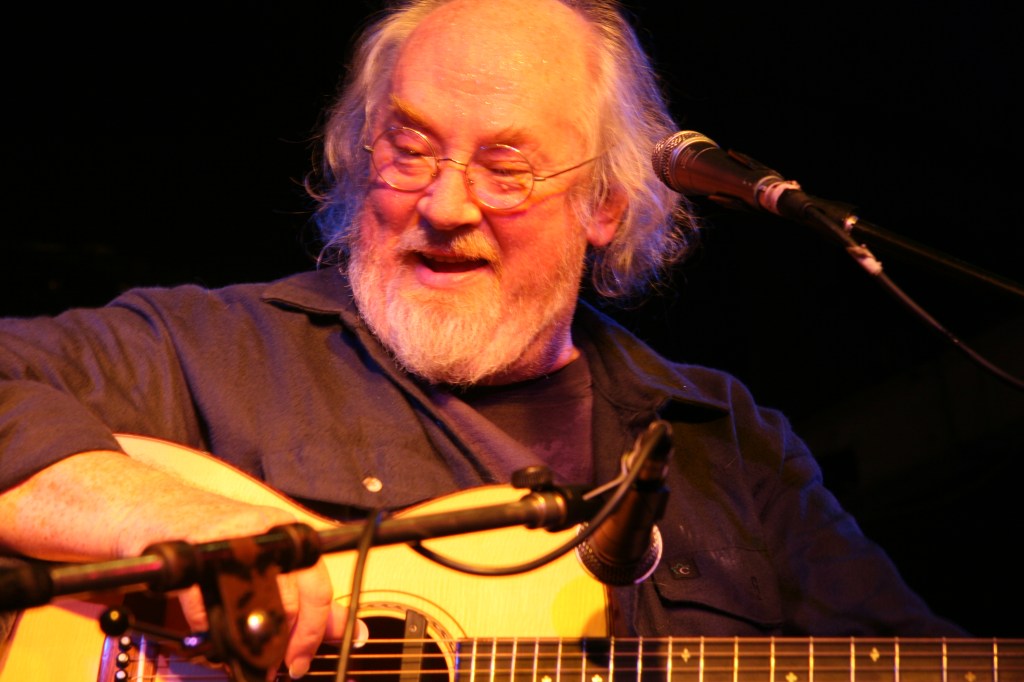
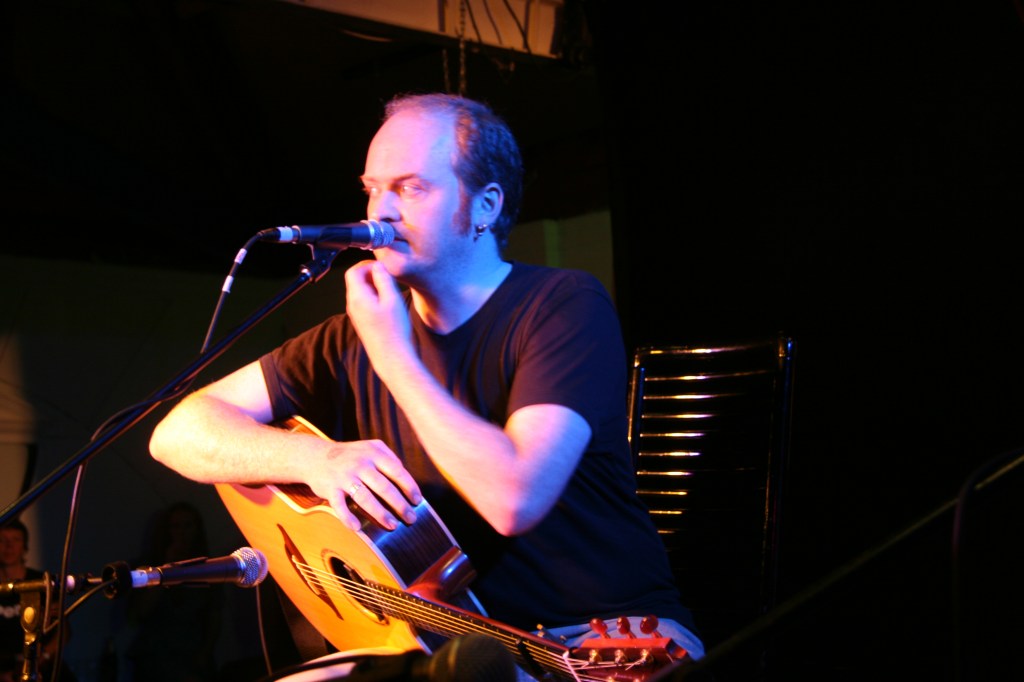
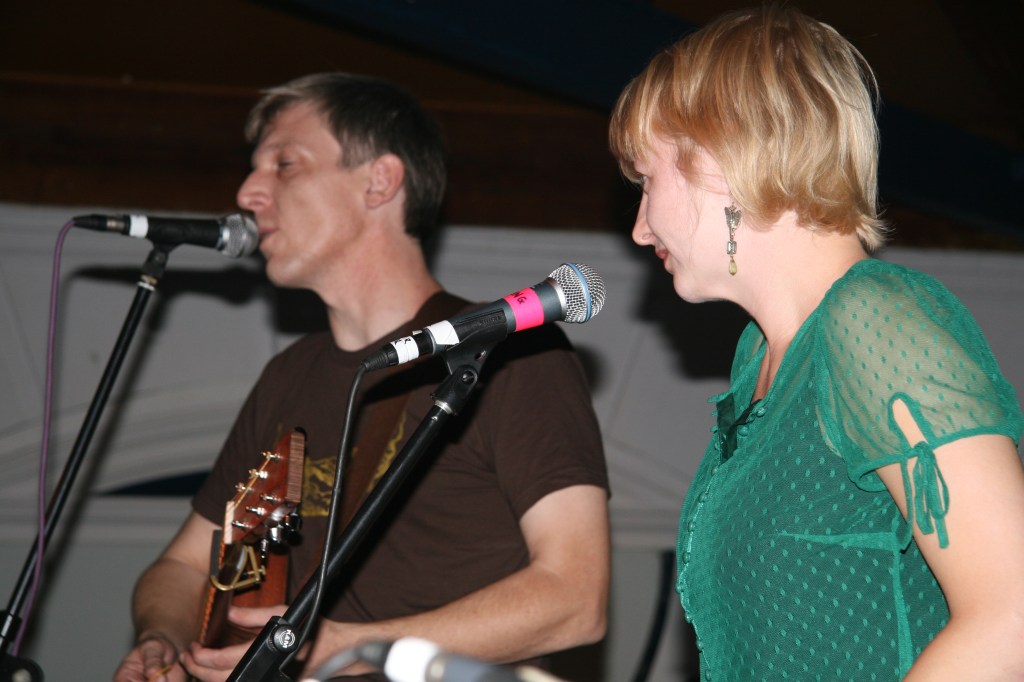
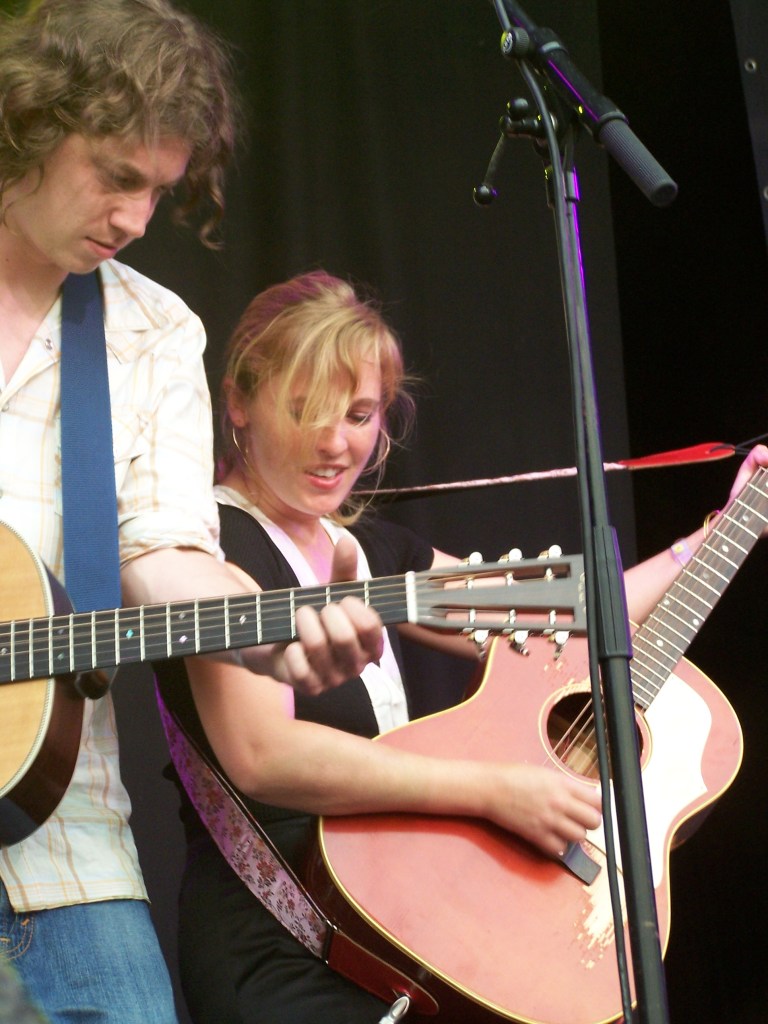
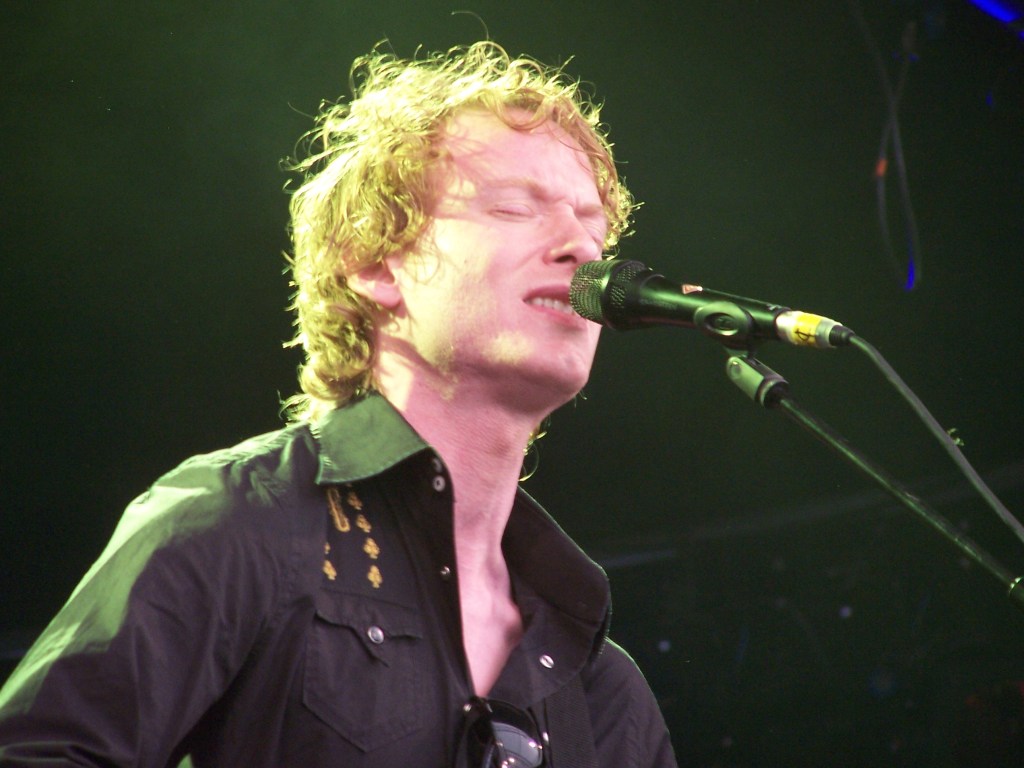
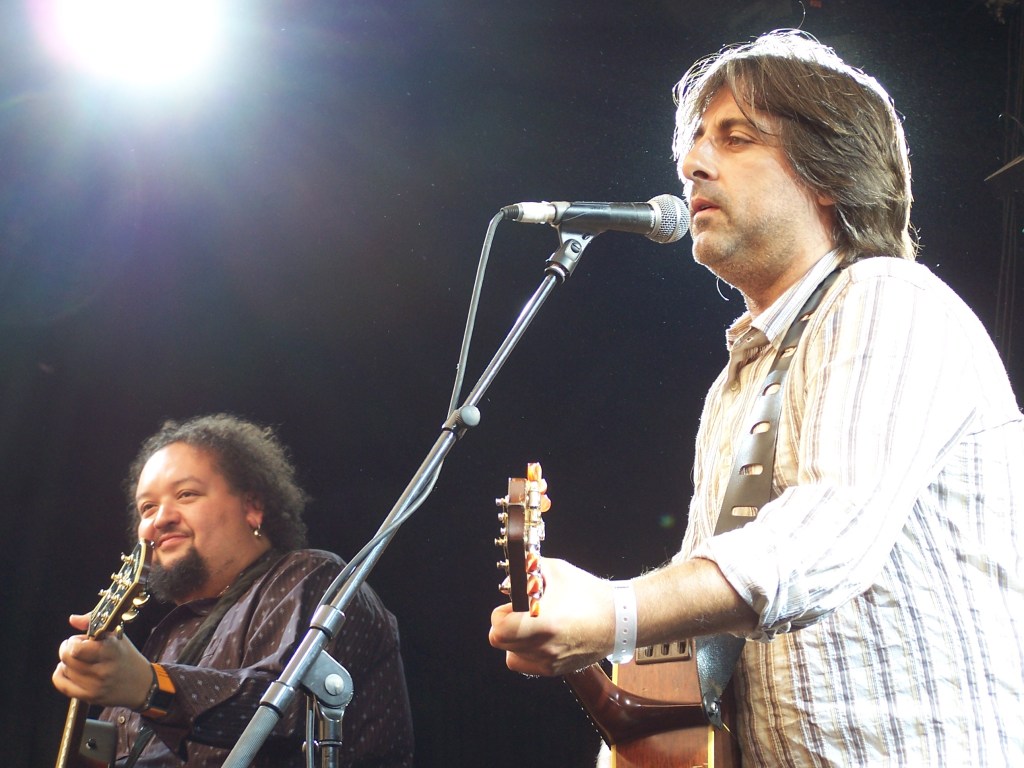
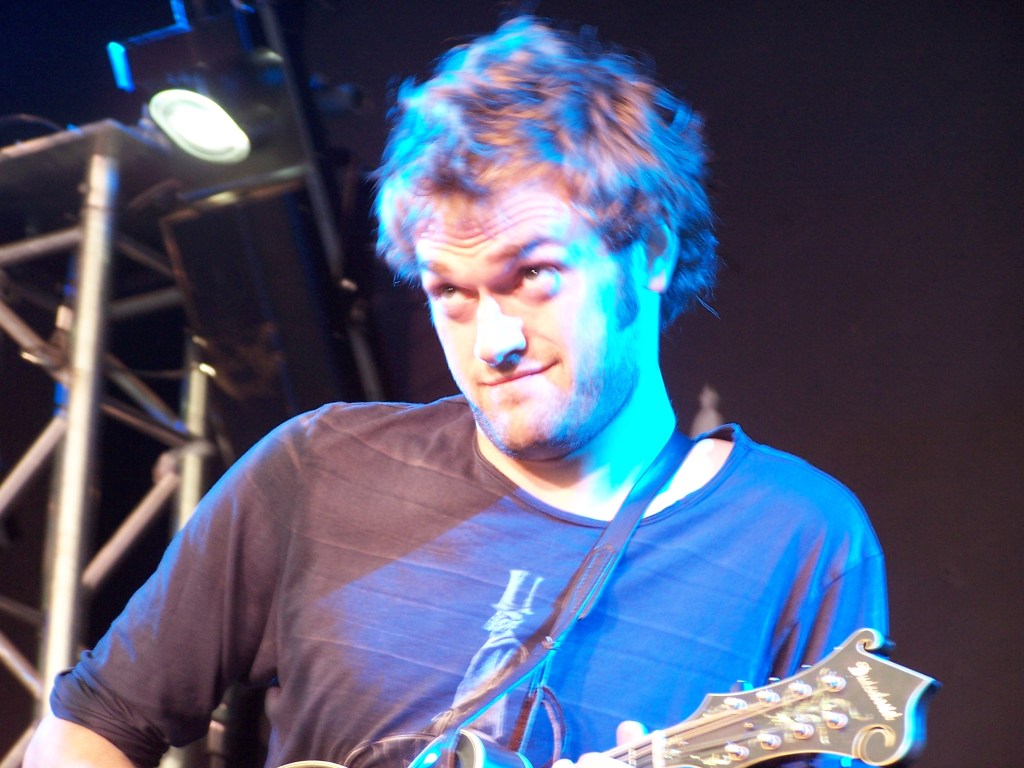
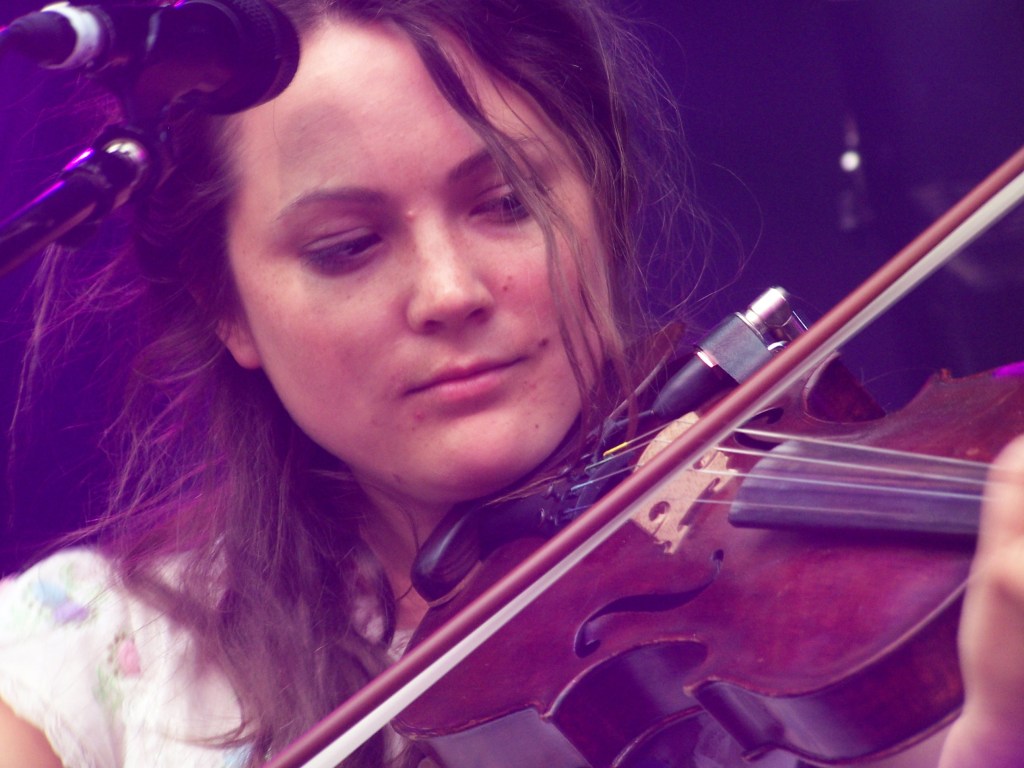
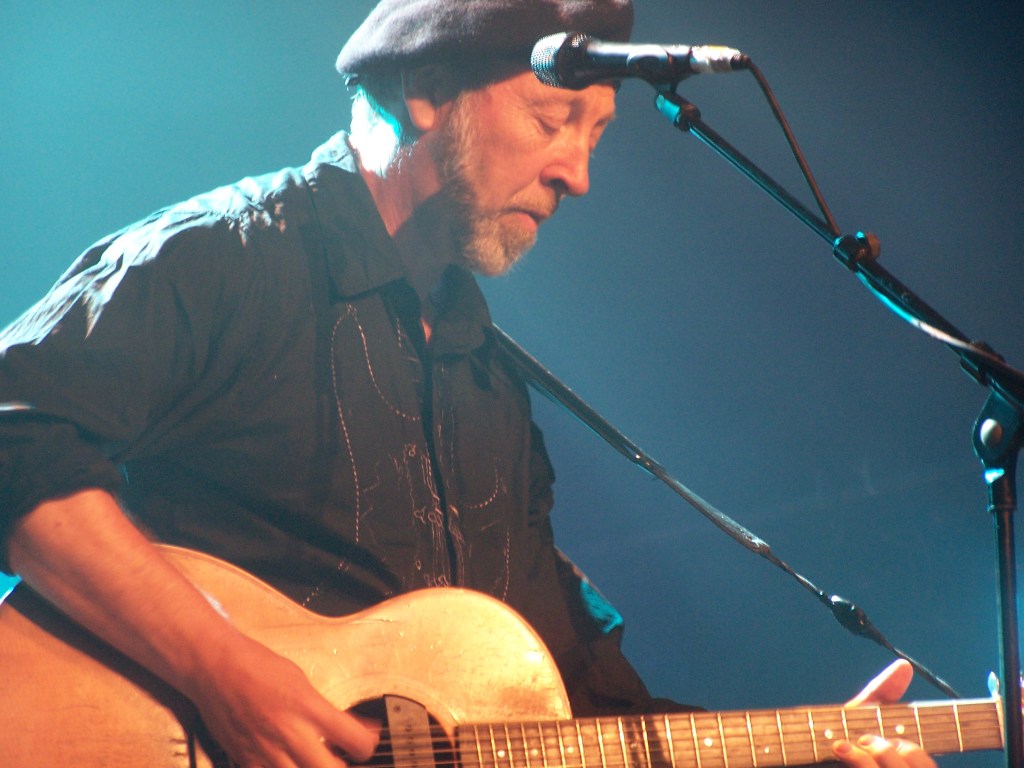
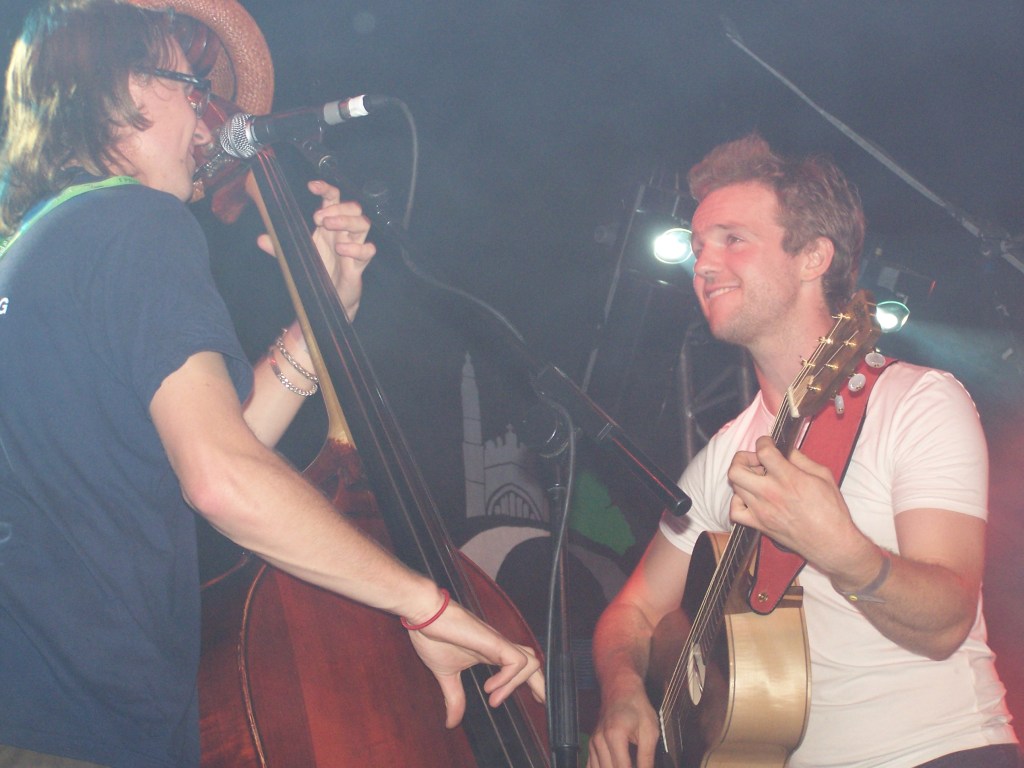
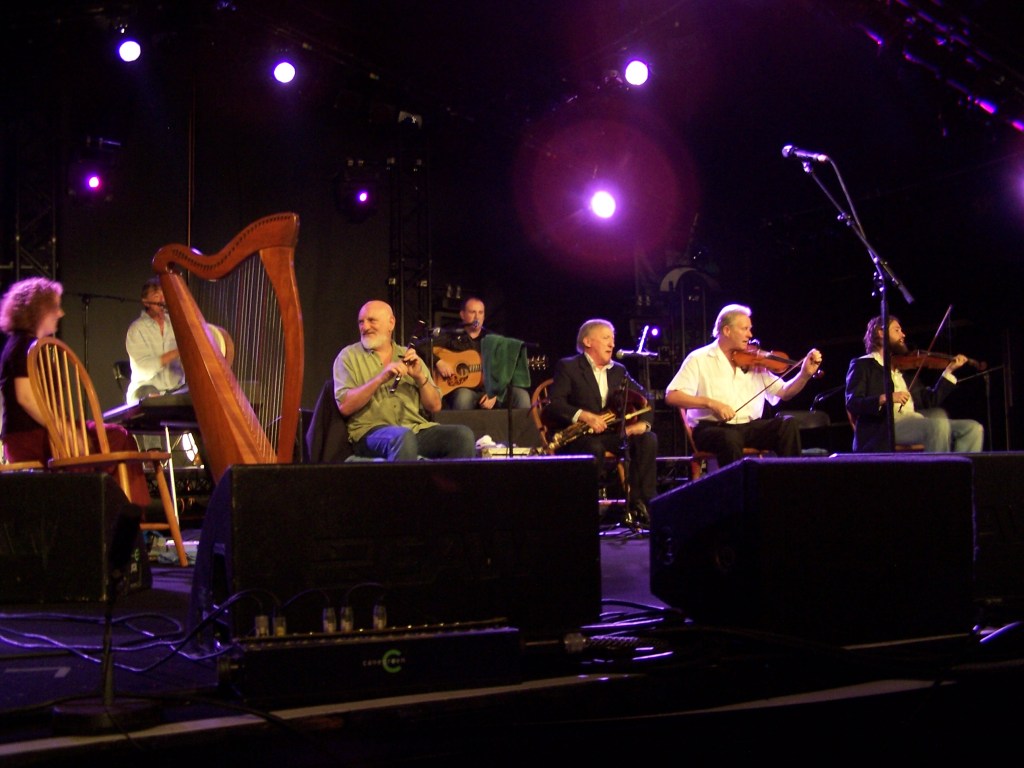
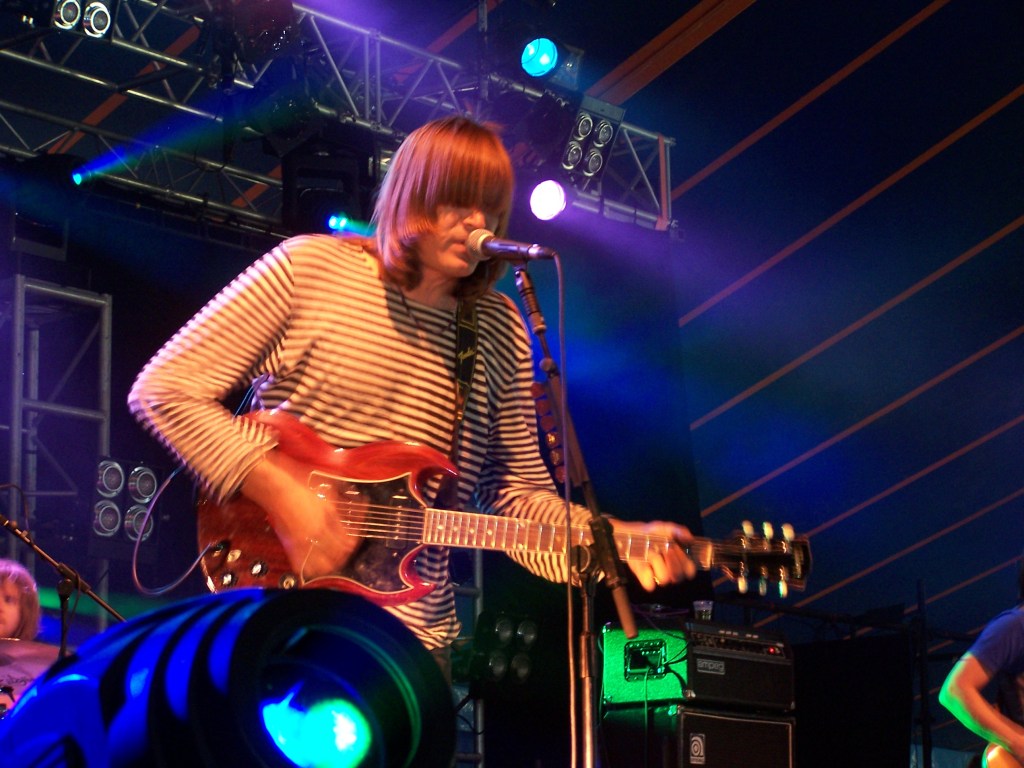
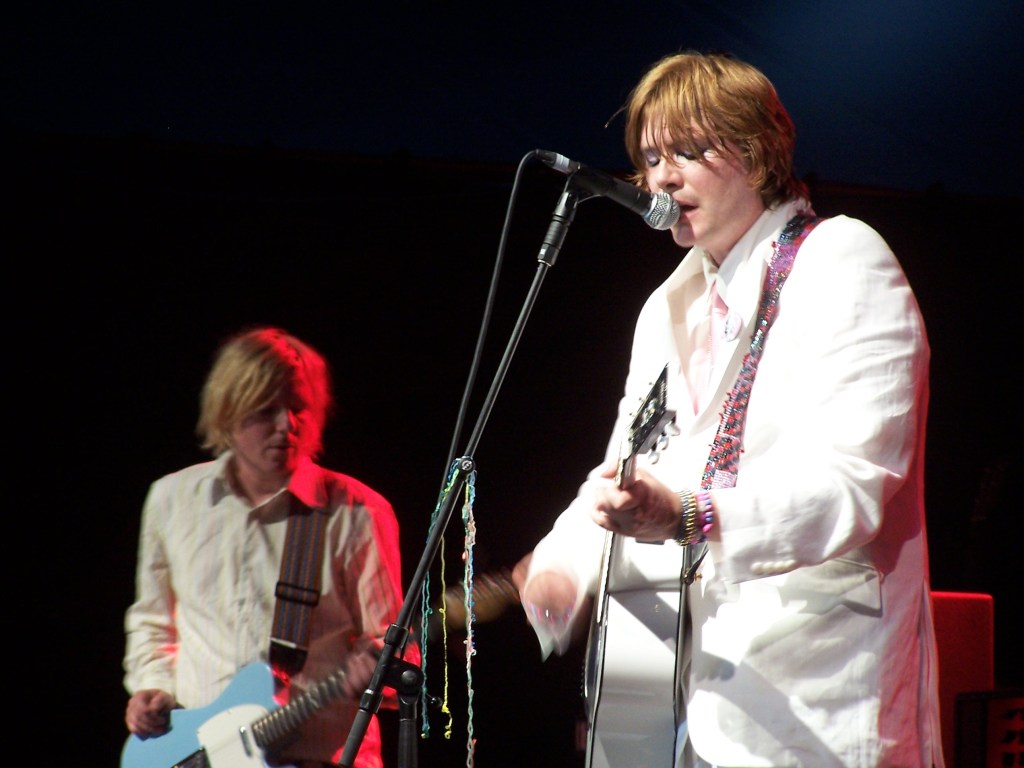
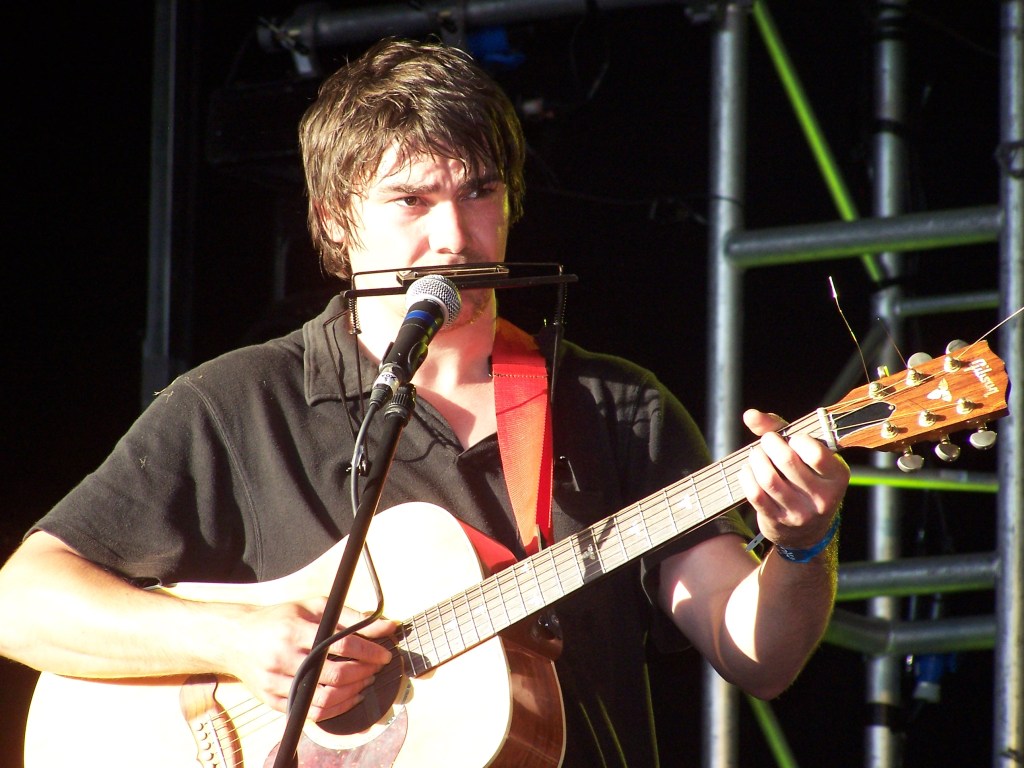
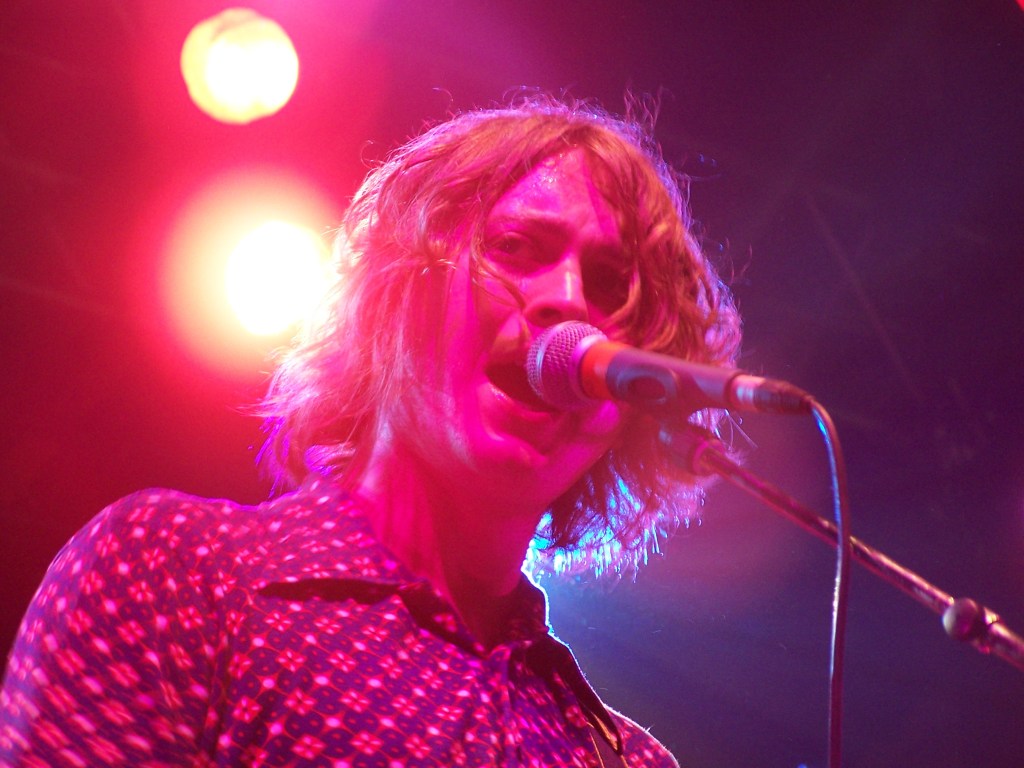
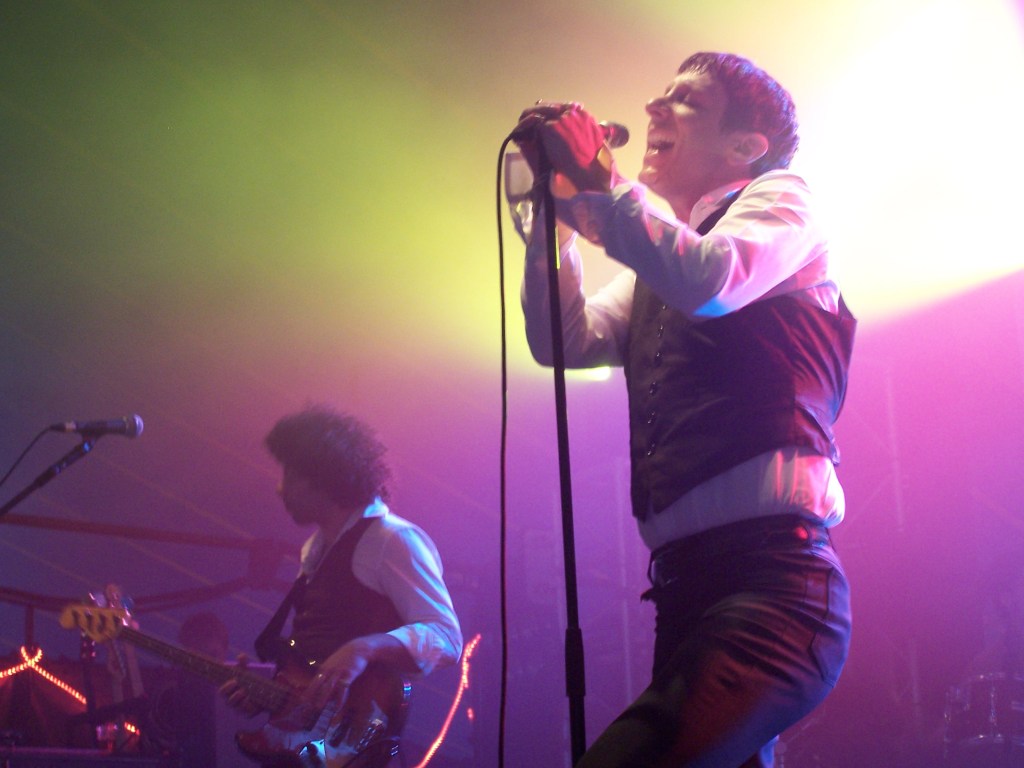
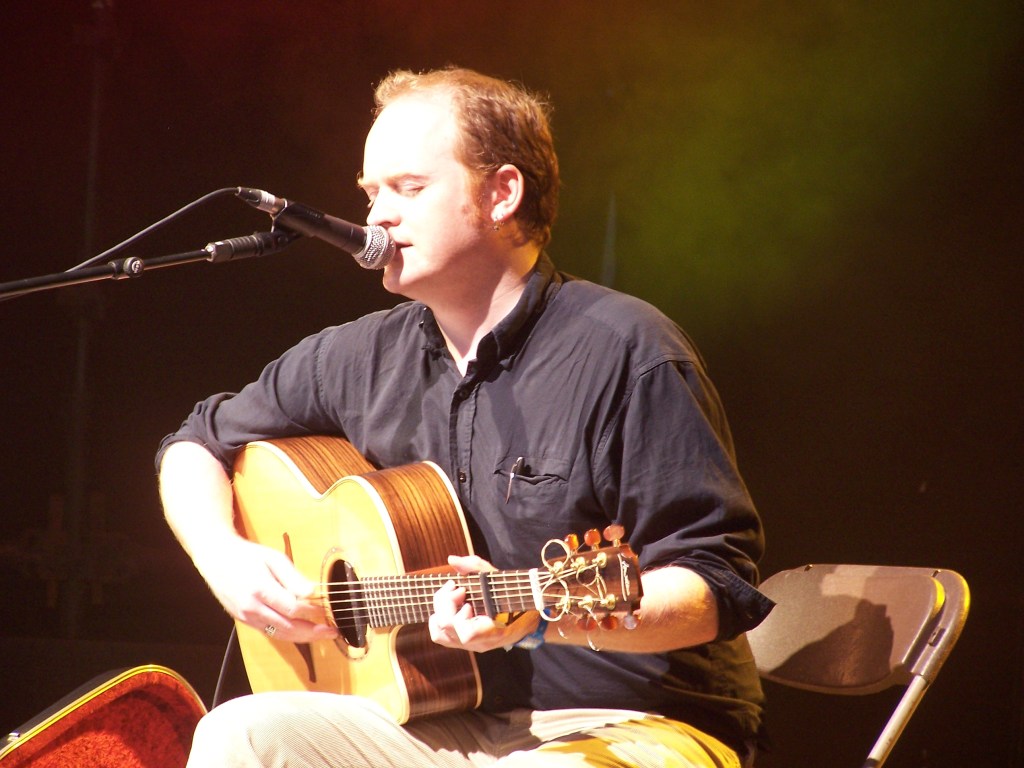
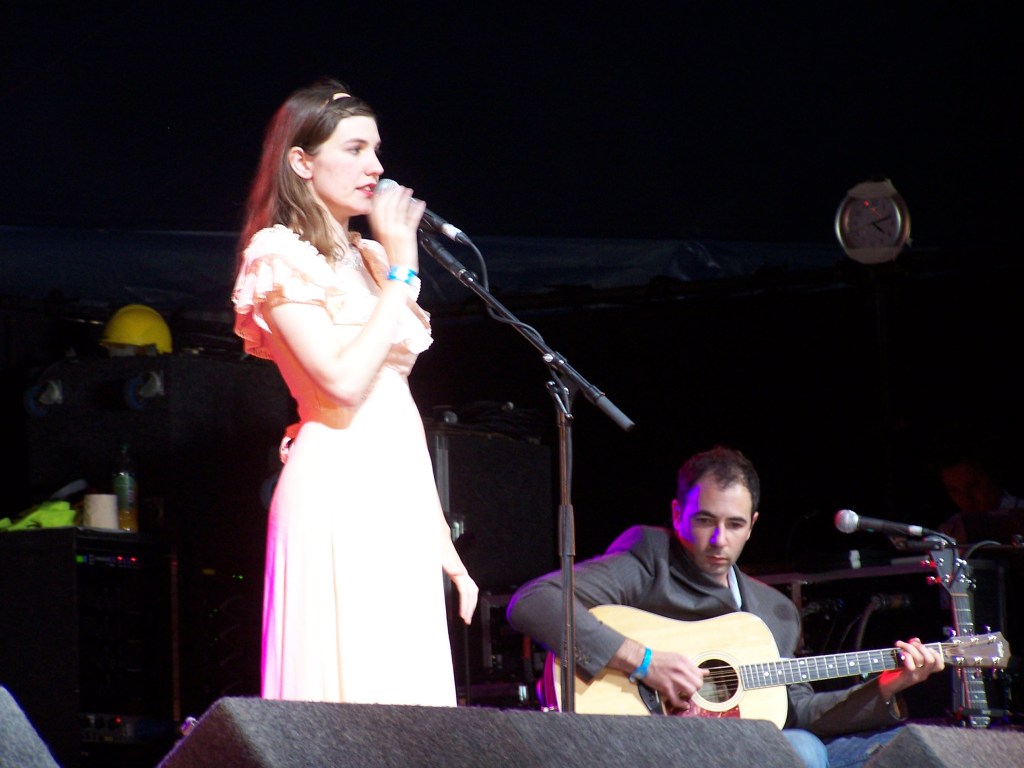
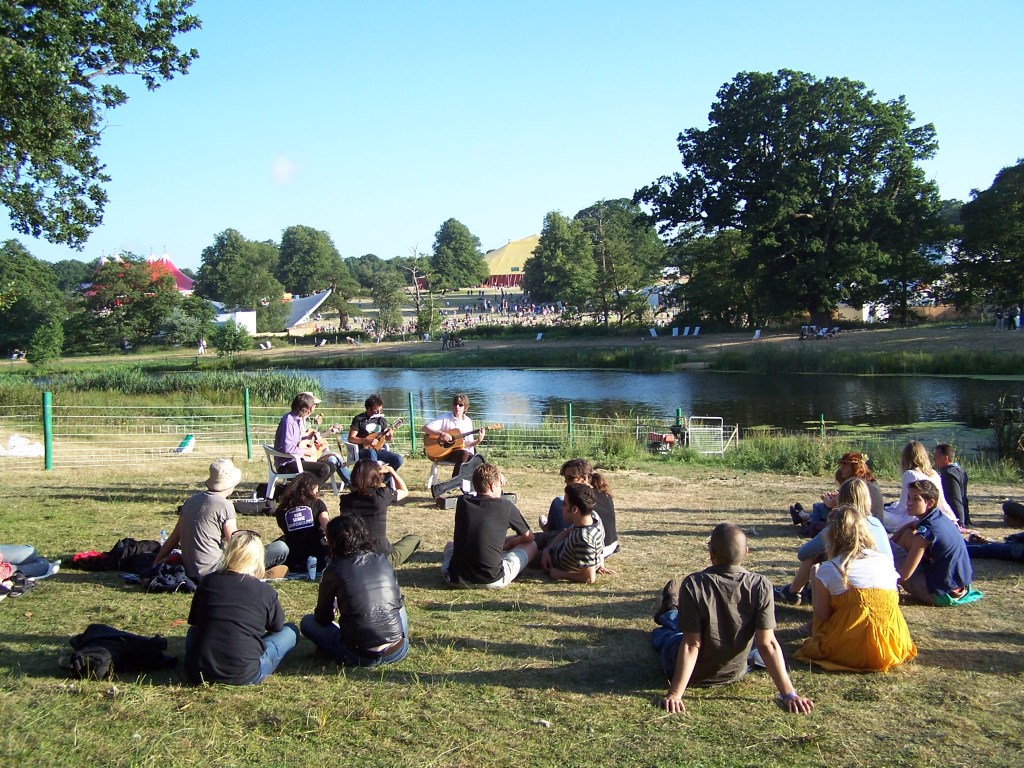
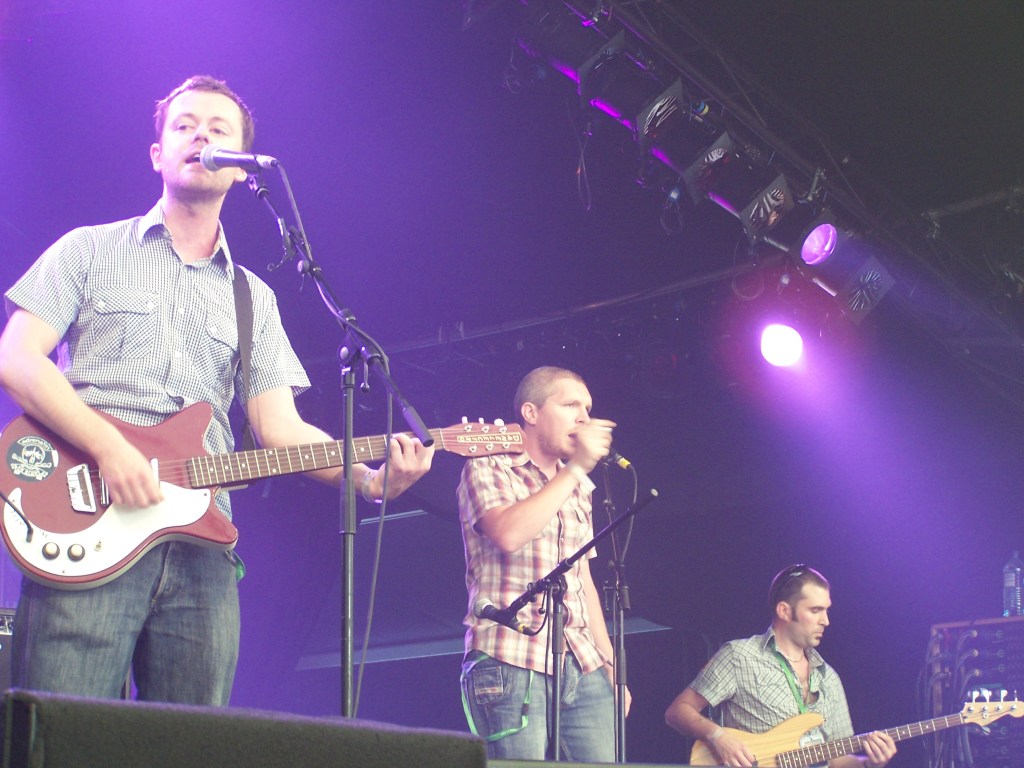
This months playlist is accompanied by a photo feature. If you read my review of the latest Tift Merritt album you will have seen my referring to the first time I saw her at a festival about twenty years ago. Well, that was actually the 2006 Cambridge Folk Festival, I was taking photos to go with my review of the event and I have just been up to the loft and uncovered them. Seeing as they are mostly unpublished, now seems as good a time as any to put them up for viewing. In the same files I also found photos I took at the first ever Latitude Festival the same month, so I am sharing them too below:

Tift Merritt at Cambridge Folk Festival 2006
Teddy Thompson at Cambridge Folk Festival 2006
Ezio at Cambridge Folk Festival 2006
Nickel Creek at Cambridge Folk Festival 2006
Emmylou Harris at Cambridge Folk Festival 2006
Cerys Matthews at Cambridge Folk Festival 2006
Richard Thompson at Cambridge Folk Festival 2006
Nizlopi at Cambridge Folk Festival 2006
Broken Family Band at Cambridge Folk Festival 2006
Chieftains at Cambridge Folk Festival 2006
Lemonheads at Latitude 2006
Nicky Wire at Latitude 2006
Richard James at Latitude 2006
The Zutons at Latitude 2006
Patti Smith at Latitude 2006
Jose Gonzalez at Latitude 2006
Mercury Rev at Latitude 2006
James Yorkston at Latitude 2006
Lavender Diamond at Latitude 2006
Giant Drag at Latitude 2006
Latitude 2006
Standard
Monthly Playlists

June 2026 Playlist

Now this might seem at odds with the name of this site and the record collecting missions I have attempted to set readers off on, but I have a confession to make; I have rekindled my love affair with the Compact Disc. I still hold the vinyl LP and the 7 inch 45 as the design classics they are, but in a certain kind of mood and with another charity shop sourced 99p extended remastered deluxe edition set in my hand, I can easily form an argument for the CD being the best format to experience music. Not only for its superior sound quality but also for its durability, the range of possibilities it has for re-issues, for offering satisfying collectable packages and its suitability for building home libraries of music. It is also free from the trendy vinyl records hype and is enjoying a moment when great titles can be found for affordable prices.

I have been collecting music for around forty years and will hold my hands up and admit, I fell out of love with CDs for quite a few years. Long enough to upload my thousand plus CD collection into an mp3 library and sell the original items, telling myself I would never miss them and, for a while, I was right.

But then, after a time, some house moves and a few computer replacements, I started to notice holes appearing in what I believed was an indelibly saved library. Albums or tracks that I knew I owned just disappeared. It seems the cloud, whatever that might be, is not as watertight as we are led to believe. Or maybe I should take responsibility, after all when you re-locate, checking that all your mp3 files are neatly packed away is not something you think of, so maybe I cannot blame other technology for my diminishing music collection. But another thing that had begun to frustrate me is the endless re-organising of tracks you have to tackle, seemingly every time you open a computer library of music. Songs appear on albums out of sequence, or certain tracks are separated and appear on another version of that album, minus the other tunes, elsewhere in the library. Cover art is changed seemingly at random. Maybe all this confusion had instilled paranoia for I felt sometimes like the unreachable air bubble our music collections exist in can swap songs on albums, replace them with an inferior live version of the same track or an earlier non-remastered version. Either way regardless of who is to blame, it is a ball of confusion that I have fallen out of love with.

For a while my solution was to go back to vinyl, after all that was where I began in the 1980’s. We like to conveniently overlook that when nearly everyone switched to CD from record, everyone, musicians especially, were excited by this format. Not only was the sound clearer and yes, better than anything ever experienced before, but it was also a more durable format, could hold a lot more music and took up far less space on the shelves, thus enabling collectors to amass bigger libraries.

But somehow, despite fast becoming extinct in the eyes of the majority, the vinyl record began to revive due to a number of factors. Firstly, when internet selling became the main global marketplace there were a lot of record dealers waxing lyrical about the magic of vinyl, the joy of the physical product, the clone like nature of CDs compared to the individual charm of a record (pressing faults and all) and above all the superior sound quality. I bought into all these ideas without inhibition but there are issues that do not, for obvious reasons, get talked about very much.

The one thing about LPs I cannot dispute is they are a better format for cover art. You can get a far greater appreciation of an artistic or conceptual album cover if it is viewed on a twelve-inch piece of card or even better, a fold out gatefold sleeve. But CD covers are hardly the inferior relative they are made out to be, a fold-out booklet has a charm of its own as does a digipak or a nice slipcase. In fact, there are many variants of the CD package and some are superb and furthermore, they look uniformly satisfying when viewed from their spines on a shelf.

But another thing I was personally frustrated with when collecting brand new records (other than the crazily high prices) was the sound quality. The major selling point of a vinyl album, their providing the best possible audio clarity and range, is simply not always true. Where the claim does have some punch is on original, first pressings of albums released from the late fifties through the seventies. If you have a top-quality condition, Mint or Near Mint, copy of an album released in this period the chances are, if played on good equipment, that you will get the best listening experience possible and the sound will come alive in ways you had not imagined. But this statement, I would now argue, only applies to original albums released over that time period and as any collector should be aware, being able to source copies of the most sought-after albums from this period in the best condition is a very expensive hobby. A good investment for sure, but if hearing music is your motivation, you will not be served so well unless you are a lottery winner.

Where more recent albums are concerned, and certainly with anything produced after CDs became the main format, I have never been able to spot any noticeable difference in the sound quality on a record to the CD version. In fact, sometimes the difference is all about the loss of audio quality on an LP or 45. Let them gather dust and the background noise will always be intrusive, still the big issue I have with new records these past thirty years is that many do not appear to have been manufactured with the expectation of being played much, or at all. I have bought some terrible, brand-new pressings that simply do not play properly. I have encountered heavy bass parts that always skip, blemishes in the playing surface invisible to the naked eye and some albums that do not even appear to have been centred correctly, meaning as they rotate the music plays with a totally unlistenable warped wobbling, key bending effect. And part of this I guess is the fault of the consumer, because a lot of people do buy records purely to own the artefact, often never actually playing it, the original purpose of manufacturing these works of art reduced to an afterthought. For fairness’s sake I will add that I did also buy some very good pressings, but never anything that I noticed improved audio over a CD or even a streamed edition.

Records are easily damaged too, one clumsy drop on a turntable or snatch grabbing of an album sleeve with the opening edge facing down, causing the record to drop out, and the chances are that disc will never play right again. There are perils to the preservation of a record everywhere, not merely the hands of a careless user. Leave them too near a radiator or other heat source and they warp, stack them the wrong way for too long and some might dish, any form of manhandling or abuse could cause them to snap; I know marketing on the indestructible nature of CDs was a bit over-the-top and ultimately untrue, but there is actually a lot to be said for owning a physical product that does not get broken so easily. And alongside this tough reality bite on the skin of my vinyl love, I have become positively dewy eyed over the humble compact disc.

The sound is routinely impeccable, the best audio of any recording you could hope to find. They rarely have any wear and tear that prevents them from playing and even if you do encounter the occasional blemish, just taking them out of the player and giving them a wipe with a non-abrasive cloth will fix the issue most of the time. CD re-issues are an absolute collector’s delight, the space on a re-mastered or bonus track laced deluxe edition for additional archive or live material is truly mouth-watering. Fold out digipaks, extensively annotated booklets and near double, triple or even multi disc box set editions have given the world of music aficionados and connoisseurs a format that can cater to their needs, and it continues to function like that today. Re-issue labels often press a vinyl edition for the purists but they cannot eliminate the all important CD version, knowing full well that there is still a marketplace of listeners who love nothing better than to stick a compact disc in their player, kick back for an hour or more and lose themselves in the albums relevant booklet sleevenotes, recording information and deep dive reading materials. I do not think that experience is ever going away either. While the music industry still expresses delight and disbelief at the vinyl revival, why not take advantage of this moment where the CD resurrection is still under the radar and offering a wealth of affordable bargains? I cannot understate my delight at visiting charity shops again with the realistic expectation of finding something brilliant for my (CD) collection.  So, will Fruit Tree Records be re-branded towards CDs? No, the vinyl record and initially the shellac 78rpm is still where it all began, nothing can take that away and the back catalogue stuff featured on this site remains as relevant as new releases. But equally, the thought that in a few years’ time I will have a similarly sized CD collection to the one I had twenty years ago, is pretty damn exciting.

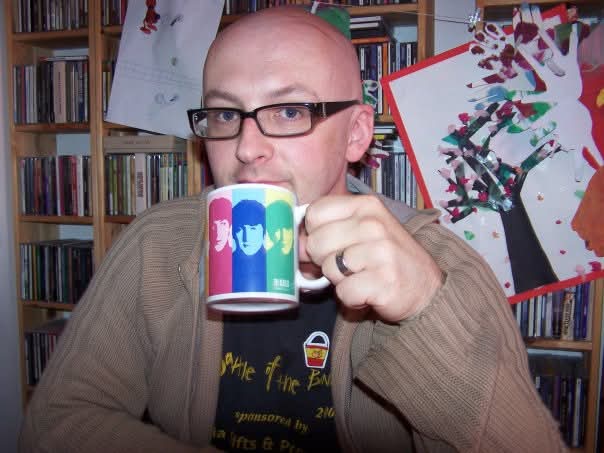
Mugshot picture from eighteen years ago with evidence of former CD collection in background

Standard
Monthly Playlists

May 2026 Playlist

I was saddened this week to learn of the cancellation of the Red Rooster Festival which was due to take place at the end of May. I was a little late to the party on this one, only finally attending what is, for me, quite a local event in 2023 and 2024. But it did seem like it had hit upon a healthy niche of vintage R&B, Americana and more Roots leaning acts and furthermore, the attendances looked pretty healthy. Admittedly Red Rooster was one of the smaller festivals on the circuit, but I assumed their bottom line in terms of ticket sales was calculated and attainable. I think maybe they suffered because a percentage of the attendees booked late but, from the evidence I saw, they did generally book when the time came around. I have a friend who came along on one of the days but only made the decision to go that morning. But if you are the organizer and it is your money on the line if those tickets do not sell come opening day, then it has to be accepted that this is not a risk most us would, or could afford to, take. Therefore, I have no grounds to criticize the decision to cancel due to ticket sales and lack of funding. It is just a shame, that is all.

I do wonder if I was part of the problem and therefore, potentially, represent a wider, largely invisible demographic? You will notice I attended in 2023 and 2024 but not last year so what was the reason for that? Well, I am sorry to admit to non-sports fans that last year I held off committing to Red Rooster because my football team, Arsenal, looked like they might get to the Champions League Final, which just happened to be scheduled for the Saturday night of the festival. As it turned out, Arsenal did not make the final last year but by the time I knew that it was a bit too late to re-shuffle things to incorporate attending a festival instead. Well, this year, as some of you might know, Arsenal are once again in with a chance of making it to the most prestigious final in European football competition and once again too, the final is scheduled for what would have been the closing Saturday night of Red Rooster. So, as it was last year, I had held back from a festival on the basis that it might have meant my missing a sporting occasion for my team. The last and only time in their history they got to that stage was in 2006 and they lost so, it is potentially a night I just might share in an experience no Arsenal fan has witnessed in their whole 150-year history.

Do you see the problem? And am I not completely off the mark to suggest it might have just been a small but significant factor in some numbers hesitating in committing to this festival? It is, after all, in the Southeast of England and football is, I believe, the number one national mass entertainment interest and on top of that, Arsenal are a North London club and have a huge fanbase in this part of England. I believe this all stacks up quite credibly, even though I can easily believe that many of the hardcore Red Rooster attendees would turn their noses up at the idea of even watching football, let alone prioritizing it over a music event. Regardless, having put this all out there I would like to take this opportunity to apologize if any actions of mine contributed, however indirectly, to this festival being cancelled. You cannot plan events based on the sporting calendar; I know that. If you did nothing would ever get booked because there are major sporting events happening every weekend, even every day at some times of the year.

Still, I come back to what this occasion represents; the Champions League Final is the biggest fixture in the football club season and if your team has even the slightest chance of taking part then, as a fan, you will not want to miss it. Arsenal genuinely do have a good chance of getting to the final this year, even more so than they did last season to be honest. On Wednesday they played the tougher leg of a two-leg semi-final, away from home in Spain, and came away with a deserved draw. Now they need to win at home in the second leg on Tuesday evening in London. If this happens you might notice some tangibly happier writing on Fruit Tree Records in the days that follow. If we are eliminated however, denied a place in the final for the second year in a row, then I guess all you football loathing cowboys mourning the loss of Red Rooster can say I got hit by the karma I deserved.

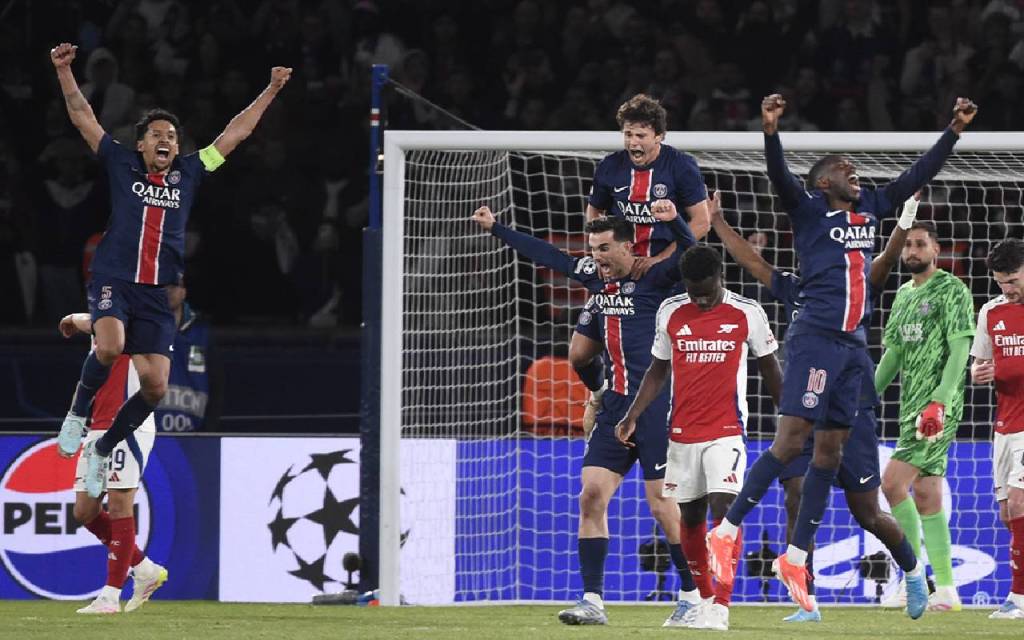
Champions League Semi Final 2025; The kind of scenes I am hoping are not repeated on Tuesday 5th May this year…
Standard
Monthly Playlists

April 2026 Playlist

Now that everyone has the history of recorded music at their fingertips, I often find myself grateful that my formative years in listening were during the 1990s Compact Disc heyday. Not only were the rare prog rock, sixties psych and other such obscure classics, starting to cost a fortune on increasingly scarce original vinyl, being re-issued with incredible, often remastered, sound quality but regularly the packages would include deep liner note booklets and bonus material of hard-to-find radio sessions, outtakes and B-sides. And what you had to do, hence my gratitude for experiencing the time period, was live with that release for a while. Listen to it regularly, maybe every day for a month if something is particularly special, inviting the music to burn inside your living soul. I know that this element is lost today because even with my appreciation of deep immersion, I have to work at affording albums the time needed to reveal their full worth of hidden delight. All the instant access choice in front of me and my ongoing appetite for new discoveries can present a challenge, giving time becomes a discipline.

But I have never properly lost the appeal that a good CD package can hold, despite my obvious love of vinyl and thrill I get from seeing it properly re-establish itself as a format after some death rattle years between 1990 and 2010. I always check the CD shelves in local charity shops and get a highly addictive buzz from finding a title that would have cost £15-£20 on release for pennies. Card digipacks, slipcases, jewel cases, inner booklets, archival box sets, perfect sound quality, what’s not to like? For all the talk about the superior sound quality of vinyl, for me that can only truly be heard on records released fifty or sixty years ago; if an album was produced to be played on vinyl it is true the original sound quality is often the best, but in the CD age I think any audible difference between record and compact disc is highly debatable and I admit, most of the time, I cannot hear a difference.

I have been thinking about all this because on one of my recent charity shop trawls, I found myself standing shoulder to shoulder with a couple of late teenage years, hungry for music, male shoppers. They had no qualms about me being an up-close spectator to their conversation, so I did ascertain that one of them had recently passed a driving test and was looking for albums that he could play in his car which only had a CD player. And they seemed to have good taste too, openly mocking the Daniel O’Donnell titles whilst perking up a lot when coming across a Johnny Cash or White Stripes album. However, I witnessed the problem with the present-day eternal pick and mix form of audio exploration right there too. One of the lads excitedly pulled out Bob Dylan’s greatest hits, the other responding “yeah that’ll be good.” He turned the case around and read out some titles “umm…’Like A Rolling Stone’…’All Along The Watchtower’…” continuing with bemusement and quickly losing interest. He perks up with ‘Knocking On Heaven’s Door’ but then shoves the album back on the shelf with the verdict “nah, that’s the only one on it.”

It was so tempting to interject at this stage. After all, if they really had never heard those Dylan classics and played the album on their next car ride, how can that not be a life-changing experience for anyone with an ear for music? I remember the first time I encountered ‘Like A Rolling Stone’ with more clarity than I remember waking up this morning, and that was almost exactly thirty-five years ago trying out some old seven-inch singles from my parents’ record collection. The misconception is that the accessibility of everything enables eclectic exploration of all music’s new and old, but the opposite is also true, it encourages engagement of the most casual kind with nothing but that which exists in plain sight on the surface level. The two lads quickly abandoned their search and left, one predicting “we can find all of these for free on Facebook marketplace.” I checked that last claim out, as far as I could see, it was false. And why did I not offer them a word to the wise and say that the Dylan collection really should not be dismissed so readily? Mostly because I recognized the moment. Years ago, I bumped into my old English teacher not long after leaving school, and we ended up chatting about my then‑new obsession with Bob Dylan. He told me, with total conviction, that if I liked Dylan, I’d love Richard Thompson. Did I rush off and explore Thompson’s catalogue? Of course not. I waited nearly a decade and eventually found my own way to him. So, when those lads brushed past Dylan with a casual wave of the hand, I knew they were simply at that stage where you discover things on your own terms (even if the current easy access climate is not always serving them well). I’ve no doubt my well‑meant advice would have landed with the same polite “yeah, sure… maybe one day” I once gave my teacher.

Standard
Monthly Playlists

March 2026 Playlist

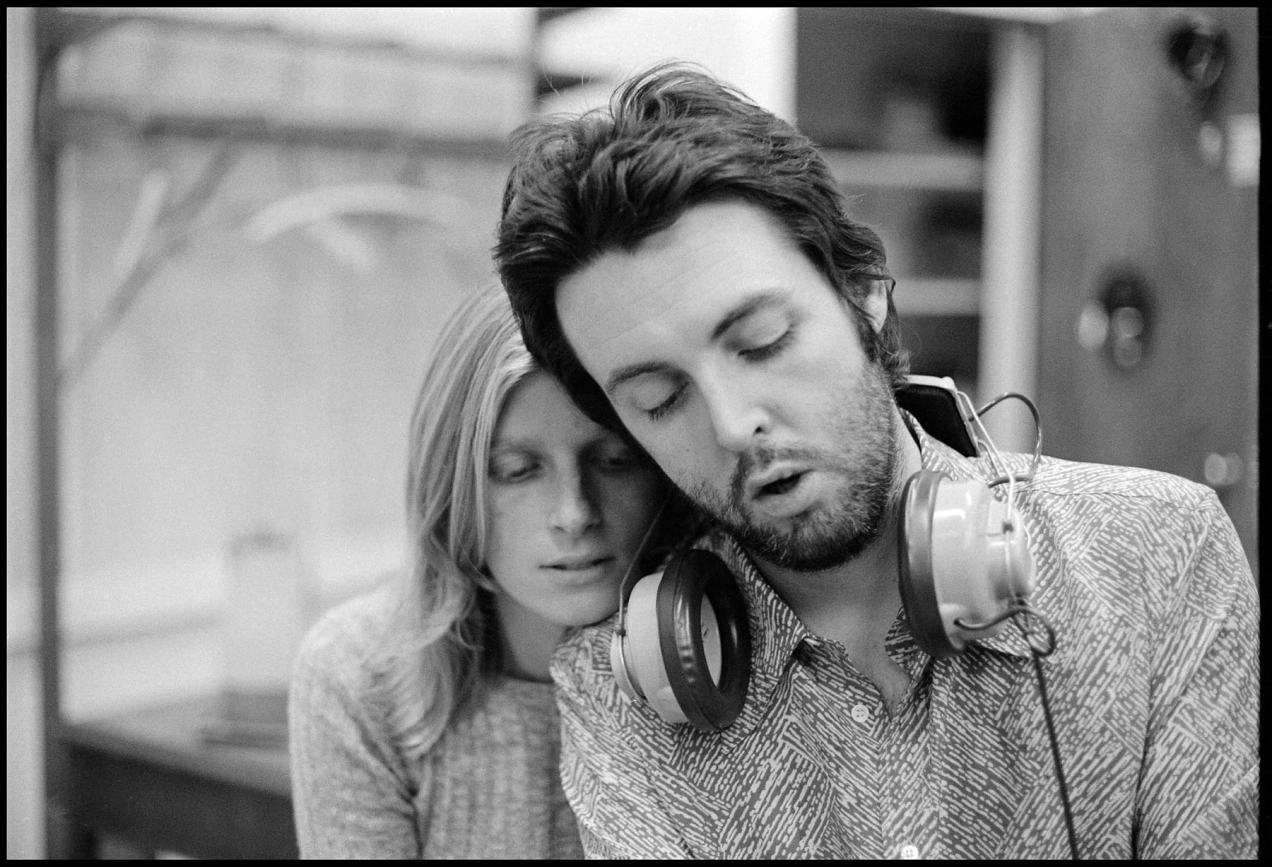
A new documentary film about Paul McCartney’s post-Beatles years and specifically his band Wings has just been released. ‘Man On The Run’ is, for any Beatles obsessive which I do regard myself as, an essential and welcome addition to the wide array of in-depth film studies relating to the band and its members solo careers. The fact is, with John Lennon’s life being well represented on film with more than one release in the last year alone utilising hours of TV show, home movie, concert and news footage he left behind and George Harrison receiving the Martin Scorsese treatment on ‘Living In The Material World,’ Paul McCartney has been comparatively lacking in the appreciative biographical cinema experience stakes. This is no doubt partially down to the ongoing forward momentum of his career, Paul has shown no sign of slowing or retiring the creative side of his endeavors, even as the McCartney live experience has increasingly focused on Beatles material in the last three decades.

So, having given ‘Man On The Run’ an initial viewing, my takeaway reactions are that there is much to like in the production of this piece. Firstly, the on-screen images are entirely monopolized by period relevant footage and photos, you occasionally get a snippet of Paul himself during an on-camera interview but other than that, the film is devoid of the talking heads shots that are standard in these kind of pictures. Yes, there are spoken contributions from people like Mick Jagger and Chrissie Hynde, but they are never seen, and neither are members of Wings who are heard via archive interview excerpts, but it all makes for an engaging experience that feels like the main characters offering a firsthand commentary while we watch the events unfold. And lest we forget, at the core of this story is a band who were one of the biggest of the decade in the seventies and so performance clips, live shots and music videos are all in plentiful supply. The home movie finds do feature some gold dust, in particular a section where we catch Paul alone at home breaking away from the piano to take a phone call from someone hoping to speak to Linda; he has fun at the callers’ expense disguising his identity with a just about convincing enough Irish accent.

Secondly, I was appreciative of how the film avoided some obvious pitfalls. It would have been so tempting for the makers to focus purely on Wings and detach the context from Paul’s previous band. But the fact is Wings were formed in reaction to The Beatles, especially the live experiences Paul hungered for that his former fab partners definitively did not, and they existed in the mop-tops shadow. Then there were the legal disputes that led to John and Paul’s initial solo LP’s often sounding like a bitter spat played out in song for the benefit of the public. And even when those hostilities subsided as the other Beatles realized that Paul had called correctly in his suspicions about Allen Klein, the sense that the former writing team of Lennon and McCartney were keeping an ear out for each other’s new work is addressed and substantiated. Sean Ono Lennon tells at one point of the ‘McCartney’ album in his father’s record collection being very heavily played. Later still, as 1980 brings about a fatigued stepping away from the Wings project, McCartney himself recalls how John had heard ‘Coming Up’ and been inspired to get back in the studio to revive his own career, which had been put on ice since 1975.

Thirdly, this documentary is not a flowery Paul McCartney promo feature, it keeps the occasionally harsher reality of his experiences in the frame. The voice of early years Wings guitarist Henry McCullough opines that Paul’s intention for the group to be an even-handed recreation of the Beatles set up was always an idealistic ambition never likely to be realized. The often-downright nasty sniping from sections of the press and fellow musicians about Linda’s place in the band, treatment aimed at her perceived lack of musical ability that amounted to bullying, is not glossed over and neither are Paul’s brushes with the law following drug related arrests. But best of all is how the film does not indulge in an oft-repeated, self-inflicted McCartney trope of pretending that all the genius things he is credited for were the result of a happy accident. In fact, when two members of Wings quit with pointed complaints about wages before the recording of ‘Band On The Run’ we catch a glimpse of a far more ruthless Macca that he rarely allows sight of. He can be heard retaliating to the whining with the candid reasoning that if they wanted to earn more money, they should do some writing like he does, before confiding that the departures were at least partly the motivation behind the writing of what would become the bands one undisputed classic album.

So, a good weighty documentary then, very highly recommended. This month’s seventy-five track playlist opens with a small selection from the film and then takes you on a wavy 4-5 hour audio journey beginning with a Beatle and ending at Beethoven.  

Standard
Monthly Playlists

February 2026 Playlist

Among the more surprising inclusions on this month’s playlist are a brace of authentic sounding, traditional in form, new protest songs by a pair of prominent artists. Both Bruce Springsteen’s ‘Streets Of Minneapolis’ and Billy Bragg’s ‘City Of Heroes’ arrive at a moment when the daily news bulletins are awash with shocking reports of civilians being shot dead on the cold, snowy streets of Minneapolis with the Springsteen song directly addressing these events and naming the casualties too. Bruce is reported as having written the song the previous weekend, recorded it the next day and got it released by the end of the week. Obviously, in a recording industry where getting a song distributed is a simple upload and for a man with the Boss’s wealth and presumably easy access to top notch recording equipment, this feat is not quite as remarkable as John Lennon trying his hand at a similarly quick turnover for ‘Instant Karma’ back in 1970, but it is a noble and good intentioned effort all the same. Furthermore, Springsteen is sufficiently high profile for the song to make the news and get itself widely heard and reacted to. A withering, personal put-down in Bruce’s direction from the President himself is surely only a matter of hours away.

The unexpected side of the release is simply down to the fact that any artist believes a protest song to be a valid idea in 2026. It is a seasoned song form, mainly associated with the folk movement, that hit a real peak in the early 1960’s when protest songs became a big deal. The idea that news stories and activist agendas could be spread in song form, often printed out as sheet music in Broadside magazines, to be circulated by the artists and players themselves, was a potent idea in a pre-internet age when radio and TV stations were slow to keep up with the evolutions in popular song. Bob Dylan became the figurehead of the whole scene, mainly because he wrote the best numbers, the ones that acts like Peter Paul and Mary could cover and take high in the charts and into the homes. Bob had a poetic eloquence to his work that was absent in some of his more earnest contemporaries, although a peer like Phil Ochs could pack just as much punch with his hard-hitting musical polemics. Ochs would arguably be a bigger influence on an artist like Billy Bragg, because he really believed and pushed for the social and political changes the work dreamed of, he was a hands-on activist compared to Dylan. Unlike Phil, Bob was content to write and then move on, forever serving the art rather than the cause, his sudden progression away from the protest scene perhaps reinforcing the wider belief that to expect songs to change the world is naive.

Of course, songwriting that criticizes current affairs and attempts to raise awareness about any issue close to the writers’ heart did continue beyond its era of ubiquity. Not just in the hands of an unashamedly conventional protester like Bragg, but also in diverse acts like Public Enemy, Rage Against The Machine and Asian Dub Foundation whose anger was expressed as they called hypocrisy out. Somehow though, the idea of the guitar wielding troubadour putting the world to rights became a bit passee, bringing memories of past disappointments to the fore by a generation determined not to be fooled again. When Paul McCartney responded to 9/11 with a simple rousing song called ‘Freedom,’ a straightforward declaration that we should fight for the right to live in freedom, not too dissimilar from Lennon’s ‘Give Peace A Chance,’ I thought it was a welcome chartbound commentary, but it mostly inspired mocking derision. I sincerely hope that Bruce Springsteen does not meet with similar indifference, regardless of what you might make of the artistic merits in the song, I have absolutely no doubt that the man really cares about his fellow citizens. Most minted singers in their mid-seventies would be content to hide away in the secure surroundings of their ranches or whatever, not Bruce; he is standing up and firmly answering the age-old ‘which side are you on?’ question and for that he should be applauded.

Standard
Monthly Playlists

January 2026 Playlist

As has now become the tradition for the January Fruit Tree Records Monthly Playlist, this selection is made up entirely of tracks that were released across the previous twelve months, and all have not been previously playlisted on this site. The journey across the seventy-five tracks in all the playlists begins with more accessible sounds, not necessarily mainstream or pop but certainly leaning in that direction as part of a Fruit Tree Records world where the pop charts matter and are populated by artists crafting exciting pop songs. The playlists then branch out to ride the surf across many of our favourite genres, namely folk, soul, R&B, singer-songwriter, Americana, country, rock ‘n’ roll, psych and prog before concluding (I like to think rewarding the listeners who have chosen to go the whole 4-5 hours in) with deep jazz and classical styles that demand time and attention. The only difference with other months is the choices are open to all ages and eras.

This time though it is strictly 2025 music and I have to say, listening through it all as I write this it is striking how little I hear a trace of a sound identifying the year we are listening to. That could be partly down to the taste of the curator (me), but I think there is a lot more to it than simply my preferences being ‘new music that sounds like old music.’ If that was the case, I would be operating in too much of a niche and putting together a track list of this size and length would be near enough impossible, especially with my self-imposed ‘one track per artist’ rule. But I spend the duration of every year listening to new and old music to satisfy all corners of my musical interest and there is never, nor any sign of, a shortage in new releases that excite the senses. Yes, there are certain modern day production tropes that I cannot stand but I do not really think these could be described as innovative these days either. That hideous auto-tuned vocal sound that ruins too much current pop has been around since the last century, I am sure I can recall Cher doing it to death back in 1998 and she can actually sing!

What I believe the playlist does suggest is that the present-day music scene still has a lot of wonderful things happening. All the genres I listed above, with the exception of classical possibly, enjoyed their golden age over the past seventy five years, which is not really that long when you think about it, so it is entirely appropriate for all these sounds to be alive and kicking right now with talented artists applying their own ideas and continuing to do interesting things within them. The idea that the only moment that counts is back when the sound was originated is simply not true and taking that approach to your listening will, I believe, lead to you missing out on a lot of great music. Take the flowery psych-pop sound that flourished in England between 1966 and 1968. It is almost a design classic in eccentric pop perfection so naturally, there are bands who tap right into that freakbeat energy to this day. Take a listen to the Len Price 3 in this playlist for a fitting example of that. The problems emerge when an act is just playing at dressing up, using the style and sound in a straight copycat style but not injecting any new ideas or inspiration to the song writing. That is akin to presenting the filled in page of a colouring in book as a new work of art. But I do not need to name and shame, I simply do not include anything that comes across that way to me in these posts. As a music critic it is sometimes tempting to savagely deconstruct the baffling popularity of Sam Fender, but it is far better for the soul to champion the things you love. Do not listen to that (whatever is being pumped on the front page of Spotify), listen to this!

Standard
Monthly Playlists

December 2025 Playlist

This past month has delivered the sad news about the passing of Stone Roses and Primal Scream bass legend Mani. I have to admit, at a time when barely a week will go by without the passing of someone whose records I bought or who played on tracks I loved or simply was involved in music of the last 75 years in some way, the news that Mani is gone felt like a significant light had gone out. This has something to do with his personality, he was a life force and an uplifting presence wherever he roamed who possessed a highly unusual facility, for a non-singing bass player, in that he was always a focal point on stage. A front man without actually being the front man. He was the source of the funk in the Stone Roses when they changed the UK musical landscape with that legendary 1989 debut album. Throughout the 1990’s that self-titled classic was routinely voted or acclaimed as one of, if not ‘the’ on occasion, greatest albums of all time and whilst that status has levelled out in modern times, it remains a brilliant LP that was responsible for a lot of welcome changes. No longer were indie bands restricted to the outsider, floppy fringe sporting diffident introspection so atypical in a British scene where The Smiths were the benchmark; suddenly these acts could proudly wear their Beatles or Simon & Garfunkel influences out loud as well as ambitiously storm the pop charts and, as Mani proved whenever the Stone Roses took to the stage, they could dance.

The other thing that Mani helped revolutionize as the eighties were escorted from the stage was the return of the working class English youth to the top table. There would not have been an Oasis without The Stone Roses knocking down the doors first, stealing the mantle of credibility away from the up-hair poseurs and placing it firmly back in the hands of the natural mod hair renegades found in every pub and club up and down the country. Mani always came across like someone you knew, a lad who was well into his music that you might have bumped into giving it large smoking with his mates at the bus shelter. That was the exact same thing that Americans said in 1964 about The Beatles, that they saw them on the TV for the first time and John Lennon had a cynical, mocking look in his eye just like any number of their teenage tearaway friends. It saddens me that the pathway, based on a kind of monetary meritocracy, has been lost to the under privileged classes today. Back when The Stone Roses broke through, they could hit the mainstream and take advantage of the major label business model to realize a very lucrative career break. Nowadays, a few thousand streams means diddly-squat in financial terms compared to the earnings a few thousand record sales would have yielded. This is why the working class young bands breaking through feel like a dying breed, leading to a situation where too many of the newest acts are those fortunate enough to have inherited or family financial backing, who do not seem to have the same hunger because they can afford to help themselves to a self-appointed music career. Obviously, as I try to prove every week, there is still plenty of exciting new music being created for the right reasons, but I do hate how the cards are stacked these days compared to the past.

I never got to interview Mani and the closest I came to meeting him was at Glastonbury in 1994 when I was wandering around the site and looked up to see him right in front of me heading in the opposite direction. I gave a polite nod and he smiled back because he saw I had recognized him where maybe most had not. He was attending the festival as a punter and a music fan I guess, this being the period before The Stone Roses had released their second album, which actually landed at the end of 1994. In fact, at that time the band were acquiring a legendary status partially for the wrong reasons because it looked like they had disappeared those past four years with a shed load of major label money causing people to speculate if they had any real intention of ever releasing that second album. Obviously when they finally did it had no hope of living up to the expectations foisted upon it but, listened to away from the Britpop and grunge sounds of the period, ‘The Second Coming’ is clearly a record with a lot going for it. They then spent another 18 months slowly disintegrating as a functioning unit before calling it quits after a lukewarm Reading Festival appearance in 1996. By then Mani and Ian Brown were the only original members left but the positive gained from the split was its opening up the opportunity for Mani to join, and enjoy a brilliant long term stint in another legendary band, Primal Scream. He always remained loyal to his mates though and, interviewed by the NME after the Roses called it a day in 1996, he said “we wanna leave two classic LP’s untainted. We wouldn’t wanna do anything which would detract from them” before adding about his impending recruitment by Primal Scream, “I’ll have to get me leather keks and winkos out, won’t I?”

Standard
Monthly Playlists

November 2025 Playlist

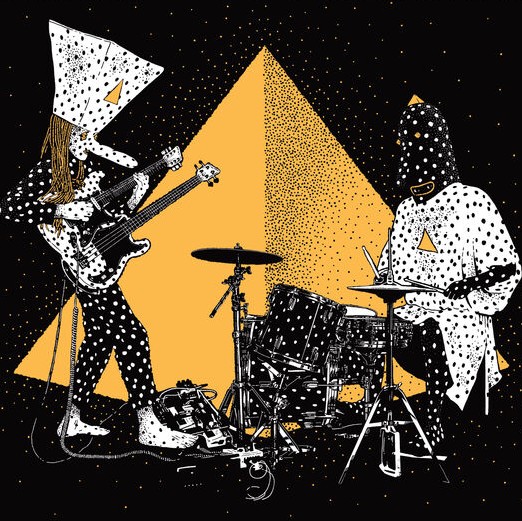
The cover star for this playlist is Scott Lavene, whose show at the Portland Arms in Cambridge last week will be reviewed on this site later this week. A lot of my time this past month has been spent diving into music documentaries and cinematic biopics. For my documentary fix I watched the whole of Ken Burns 2001 ten feature length installment series simply titled ‘Jazz’. Each episode ran to over an hour making this a deep dive into the history of Jazz, putting forward a compelling argument for it being America’s greatest contribution to the cultural landscape. As you would expect, some of the meat on the bone of the series was the incredible archive film clips incorporated into each episode, lacking in the earliest episodes simply because they centered on the late nineteenth, early twentieth century but from the 1950s onwards this is a jazz archive bean feast. It is the main reason to view a program of this nature for a jazz fan because the stories themselves are often well known and time restrictions, due to the sheer scope of the project, lead to only surface level commentaries. Key figures like Louis Armstrong, Duke Ellington, Billie Holiday, Ella Fitzgerald and Miles Davis are appreciated in greater detail than many others, the knock-on effect being the surprising absence of certain big names. I spotted a couple of photos of Lee Morgan but not an actual mention, Chet Baker was spoken about in passing as was Glenn Miller (who is almost totally dismissed as a commercial phenomenon only), whilst I do not think I heard the name Nina Simone even once.

All that said, it does remain a worthy watch. Some of the talking heads stitching the historical contexts together are very listenable and explain their points concisely whilst (then) modern day faces like Wynton Marsalis proves himself to be an absolute master student of the music. Historical music documentaries often struggle with contextualizing more recent events leading up to the present day and Ken Burns ‘Jazz’ is no different. The period 1970-2000 is speed-skimmed over and even though I get the point they are making about Jazz’s marginalization in the eighties, to imply that the music was all but dead is inaccurate. They also appear to believe that Wynton and his jazz revivalist peers were the key to the future of the music, but it is all too easy for me with all this hindsight to go picking holes in that, overall ‘Jazz’ is a superb visual document and precursor to a similarly deep series about country music that Burns would turn his attentions to later.

I also went to the cinema this month to watch the Bruce Springsteen biopic ‘Deliver Me From Nowhere.’ I approached this one with a little trepidation because the potential for a cliché-ridden rags to riches story of rock ‘n’ roll savior seemed like a possibility. However, lead actor Jeremy Allen White is a serious performer who gives the impression of some professional integrity, so I felt this alone was a bit of a safety blanket. The film is actually a thoughtful piece of accurately shot cinematography, set in 1981-82 when Bruce was on the cusp of the worldwide acclaim and success he would soon be indelibly showered with. Here we see Springsteen hit a mentally low ebb as he channels deeply personal background issues into the new music that would become the lo-fi ‘Nebraska’ album. He home records demos onto a cassette and the difficulties in recreating these songs in the professional studio environment is heavily focused on, as is the record company frustration expressed as Bruce holds firm about releasing the cassette demo as the actual record. We also see him capturing, during the same sessions, the first few tracks of what would become 1984’s mainstream smashing ‘Born In The USA’ album, which does point to the most obvious omission from the script. As Bruce’s manager defends his artist to the Columbia hierarchy, keen to support his acts artistic vision and holding firm that ‘Nebraska’ is to be issued with no promotion, no singles and no Bruce Springsteen face on the album cover, it is hard not to assume he also would have bartered “but don’t worry, if we indulge Bruce now and put this out, the record he’s nearly got ready to go after this is going to make us all millions, so let’s just play the long game and go along with him for now”. But the script did not include such a calculating line. Either way, a good film with impressively authentic audio performances in which the Bruce Springsteen legend remains intact.

Standard