New Release Reviews

Galvezton – Ocean Cabaret

‘Ocean Cabaret’ is the name of a mysterious, abandoned strip club in Galveston, Texas and the album that has taken its name for a title sounds very apt. In the same way that you would imagine the location feeling alive with the ghosts of salacious encounters, spilled emotions and frustrated desires, so too the music Galvezton presents on this sophomore release is alive with real life residue, the vintage textures shaken down by modern tropes, a sense of style and swagger standing up for the values that modern life can so easily suppress. The heritage behind the musical journey of the creative core in this act, Robert Kuhn, is rich with iconic Americana singer-songwriters, names like Bob Dylan, Townes Van Zandt and Bruce Springsteen, all of whom filtered into the young Kuhn’s subconscious via the tastes of his father. But post pandemic, the Galvezton project has evolved naturally into a territory that the mere troubadour characterisation can no longer contain. This is a helter skelter dive into a cosmic-Americana sound that is dizzy with the heat and punch drunk on ideas and expression. Recorded over the span of 2022 to 2024 at La Izquierda, the album carries a restorative warmth, wrapping you up and steadying the pulse. Kuhn’s voice can fray at the edges, but like some aforementioned primary influences, this vocal facet can lend to a delivery with unfiltered force.

The La Izquierda location in Galveston is significant because it also founded a longboard surf competition and music festival that Kuhn is heavily involved in. There is a grassroots and community focused, non-profit ethos to many of the local projects he is connected to and that humanitarian, social activist energy does bleed into the music; not to mention a certain surfer-dude breezy coastal calm up front as well. You can taste that vibe on ‘Origami,’ the music feeling like it is the ocean waves that are breathing it into life. The echo and the calm that rises up as Kuhn dreams “what if there was a place that we could go to, what if there was a way to get there, what if I surrender?” It reminds me a little of the War On Drugs, the synth textures casting a spell over the track that evokes space and a never-ending horizon mirroring the relentless questions in our narrator’s mind. But it is also raw and organic in its own way, the heavy strum of acoustic guitar and harmonicas that blow in from the margins welding a human touch to the ambience.

The essence of Springsteen in his ‘Nebraska’ mode is tangible, ‘Tonight’ being an example of a fine track built on this classic framework. ‘Me And You’ is so hazy it might only exist in a dream whilst you feel the heat coming from ‘Paved Roads’ so intensely you wonder if your feet are burning. ‘Quint’s Cantina’ on the other hand is pumping with motion, punched piano chords and fuzz guitar decorating Kuhn’s stream of lyrical testimony. All that said though, it might just be that the superb ‘Roll To G Town’ is the hook track enticing a lot of listeners in to check out this album. The song, the sound of one battered man determined to bounce back off the ropes, albeit via a pathway that is no less perilous than from where he came, is alive with attitude, self-deprecation, and verve. It is like Beck has returned to the nineties and decided he has no issue with being a loser after all. And everything is in place, the peacocking groove, and semi-rapped verses that sound like a bar raconteur not too under the influence but well on the way, then a killer sing-along chorus. Great song and to paraphrase the lyric, you too should take your money and roll to the ‘Ocean Cabaret.’ You could do a lot worse than high loading your musical life with this rough little diamond of a new release.

Danny Neill

Find out more on Galvezton here: https://www.galvezton.com/

Standard
New Release Reviews

Green-House – Hinterlands

This is a new album that is setting a high bar for anyone pursuing an interest in electronically enhanced, ambient leaning, instrumental music in 2026. Both styles, which lean heavily on found sounds and long form, untethered excursions can so easily descend into tedium for, in much the same way that a primitive painter can argue the apparent amateurishness of their work is a statement in itself, when the structure is unrestricted by a tighter framework the motivation to push for something inspiring and unexpected over route-one indulgence can sometimes be lost. I mention this because at first glance, this album might come across as belonging in a floaty, ambient realm. But I would caution against that sweeping judgement, just as I would say do not listen to this record casually, for built in these deep bubbles that rise into the air before bursting to rain their colourful sonics asunder, are oceans of beauty and exploration. Much like the early Kraftwerk or Tonto’s Expanding Head Band, when the human touch is imprinted tight over subtle, textured music like this, when the playing field has room for both synthesised sound and organic, responsive traditional instrumentation, then whole new worlds of audio delight can be discovered.

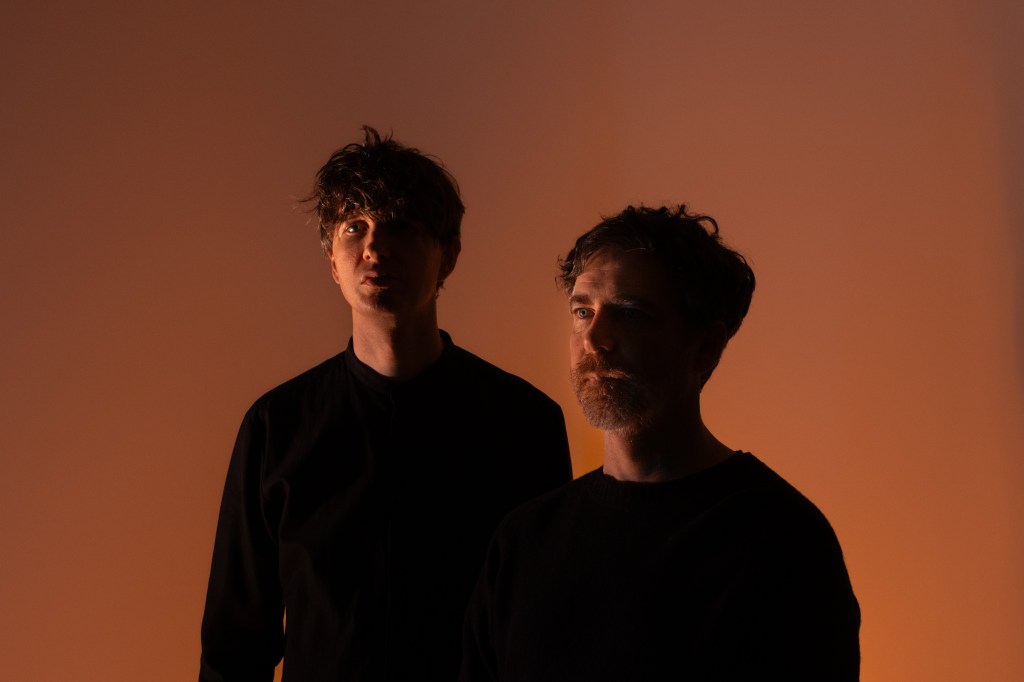
‘Hinterlands’ is the third LP from Green‑House and it finds Olive Ardizoni and Michael Flanagan stepping into their fullest, most expansive form yet; a record that feels bigger than two people, brimming with kaleidoscopic guitar lines, bubbling synth tessellations, and an orchestral glow that seems to breathe of its own accord. Sequenced as a journey from sea to mountains to somewhere more abstract and fantastical, it deepens the duo’s long‑running fascination with the meeting point between human nature and the natural world. Their process, layering frequencies and expressions like camouflage, begins with either artist, Ardizoni often gravitating toward melody while Flanagan shapes the harmonic architecture; the magic lies in how their ideas fuse into a single, layered vision, creating a depth far greater than the sum of its parts. Since 2020, through a string of acclaimed releases on the scene‑defining Los Angeles imprint Leaving Records, Green‑House have pursued a curiosity in environments and the emotional resonances they hold. Now, with this latest release arriving on new label home Ghostly International, they unveil a refined evolution of their sound: a fluid, genre‑defying fusion of ambient, folk, synth‑pop, environmental music, IDM, and modern classical that feels both meticulously crafted and tangibly alive.

Of the music Olive Ardizoni says “this record is us letting go a little bit, giving ourselves the freedom to just write and see what happens, to let the music grow naturally. We try to utilize what’s right in front of us, just being in an urban environment and making do with what’s there in order to continue to foster that connection we have to the natural world.” The visual world surrounding ‘Hinterlands’ began with Ardizoni and Scott Tenefrancia capturing tiny scenes from trips through Yosemite and the Inyo National Forest, later enlarged by Flanagan through close‑focus photography that turned droplets of water into miniature viewing portals. The result is an artwork that mirrors the record’s own balancing act between the earthy and the electronic: small universes built from careful layering and imaginative interplay. Green‑House frame this album as a kind of hopeful, free‑flowing electronic pastoral; music shaped by ideas of ecological vibrancy, mutual dependence, and a belief in joy as a radical stance. At a time when environmental collapse and political fatigue colour so much of daily life, the duo suggests that envisioning alternative futures is itself a meaningful gesture. That spirit runs through the tracklist: ‘Dragline Silk’ unfurls with a slow‑burn grandeur reminiscent of Pink Floyd’s progressive rock, though the pair cite Jessica Pratt’s recent work as its spark; the three‑part ‘Hinterland’ suite roams from airy, exploratory passages to more reflective, star‑lit terrain. Later, ‘Under the Oak’ drifts in with a hushed, uncanny stillness, followed by the even softer ‘Bronze Age,’ before ‘Valley Of Blue’ closes the arc in a wistful haze of synthetic strings and oboe, originally nicknamed after a Final Fantasy memory. Flecks of sorrow surface throughout this otherwise luminous record, quiet acknowledgments of the anxieties that shadow our awe, from disappearing coastlines to fragile ecosystems. Green‑House meet those tensions with warmth and clear‑eyed purpose, serving us a musical odyssey that feels both tender and resolute.

Danny Neill

Get yourself a copy of ‘Hinterlands’ here: https://amzn.to/4tjeFaU

Standard
New Release Reviews

Eggs On Mars – Good Morning (I Love You)

Do you remember the story John Lennon used to tell about meeting Yoko Ono for the first time, where he continued viewing the whole of her 1966 art show because his first encounter was the word ‘yes’ through a magnifying glass, hooking him simply because it said something positive? Well, I kind of felt the same encouragement with the title of this Eggs On Mars record, before even hearing a note of music. After all, the messaging firing out of the US on a daily basis is hardly the most cheering right now so maybe I found it a refreshing reminder that there is plenty of warmth, emotion, and humanity alive in the rolling immensity of the interior West. This collective from Kansas City, Missouri are working in a gently off‑kilter lane of soft psychedelics and vintage flavoured garage pop, theirs is a fragile yet solid grain of Midwestern guitar music that wears its affection for sixties pop classicism and the nineties indie guitar scene proudly out front whilst resisting the pull of pastiche in favour of music that is expressively their own. The band put it very concisely themselves actually, that is Brad Smith on guitar and vocals, Doug Bybee on bass and vocals, Mason Potter on drums and Joel Stratton on guitar and keys; they say that “through our Midwestern lens we try to summon the sound of The Monkees if they were chosen over the Velvet Underground to be Warhol’s Factory band.” Which, as fanciful as that may sound, does kind of nail what is going on here.

Eggs On Mars do have a pop aesthetic, albeit it one that any actual pop pickers of the 2026 hit parades would no doubt describe as retro, alongside a healthy appreciation of audio fineries like lush chord changes and irresistible melodic pathways; they also carve out plenty of breathing room on their sonic palate. Their music feels the vibrations of the living, it responds to the natural contortions of the elements and is sensitive to the rise and fall of the sun, it is almost like they can feel the planet rotating beneath their feet. And having thrown all these ingredients into a kaleidoscopic melting pot, they stir up curdling waves of music that can hum with that very same mesmeric, hazy buzz that the Velvets would loop and evolve to beat their downtown, avant-garde Warhol audience into submission. Ultimately though, the Eggs On Mars fuse all these influences and references into music that, at its core, pays considered respect to the craft of songwriting and when you get stuck in to ‘Good Morning (I Love You),’ it instantly becomes evident that there are some seriously potent songs on this record.

Album opener ‘Inconsistent Cowpoke’ sets the stall out, establishing a high bar from the outset. The verses are melancholy, sung in a weary voice that sounds as beaten down and trod upon as the lyrics suggest, but the chorus offers a glimmer of light and by the songs close, a cloudburst coda brings the welcome taste of relief flying in on a bullet of sharp electric guitar flight, the music holding our hands as it lifts us out of the doldrums. The title track has a springtime promise in its narrators loving relationship contentment, but we are not entering quite the syrupy territory the title suggests, for the song reveals frustration at the humdrum of everyday commitments perpetually bursting the blissful bubble. The guitar solo that plays out the tune is both richly phrased and a little forlorn, whilst found sound in the shape of heavily populated crowd chatter hints at the inspiration behind this number. ‘Be For You’ has a tender piano break which pre-faces a soaring guitar solo taking it to the end; I am summoning up all the music writer energy I can muster not to make a George Harrison comparison here but I have to admit defeat, there is a Beatle-esque splendour to the way an equally rousing song is concluded. The snowdrop piano trills that introduce ‘Couldn’t Write’ do not prepare you for the majesty of major / minor changes that underpin the loved-up joy felt in the lyric. Four songs in and it is becoming clear that Eggs On Mars may not actually peak here, every song pushes the gains of the previous offerings and advances them. And there are a few characteristics emerging, as the ringing jangle of electric guitars chime ‘Couldn’t Write’ to its end, their love of an energised finale is beyond doubt.

‘Shooting Stars’ enters with the most up front rhythmic momentum we have heard thus far and once again, a wonderfully rendered tune is positively launched into space with its incredible chorus line elevation. The spaceman float of the unbound, tuneful guitar lick that closes this song, conjuring visions of its title, clears room for the cavernous echo in the guitar sound that ushers in ‘That’s Alright.’ This is a song that highlights one of the understated strengths within the Eggs On Mars armoury. Each sung chorus begins with a combined vocal of “oooh” and, as restrained and occasionally diffident as they may appear, the singing in this band adds another subtle layer of nuance to these deceptively fragile songs. ‘Takes Time’ enters with their clearest sixties pop guitar riffing yet; still, the necessary vigour found here is more than matched by the bands ability to execute with conviction. ‘And I Know’ perfects the Byrds-y chime to maximum satisfaction (plus un-self-conscious spoken interlude) and ‘Frame To Frame’ sticks to a charming, delicate pace. Finally, ‘I Came Home 2 Find Nothing Had Changed Except Me’ pins a resigned reflection on to a warm guitar line. So, is there anything to dislike here? Not for me. The whole ten-song suite is over and done in 27 minutes and personally, I could happily have stayed for the same distance again. But when you get the job done to perfection as Eggs On Mars have done here, why elaborate for the sake of it? Here’s hoping more ears find their way to this record, and that it soon sheds its under‑the‑radar status to claim the gleaming little treasure spot its quality has already earned.

Danny Neill

Get yourself a copy of the latest Eggs On Mars album via this link: https://eggsonmars.bandcamp.com/album/good-morning-i-love-you

Standard
New Release Reviews

John Craigie – I Swam Here

There are certain artists for whom their USP is nothing more attention grabbing than they are excellent musicians, singers and writers simply getting on with the job of refining and honouring their craft. John Craigie is all three of the above and without hitting anyone over the head with gimmicks, he continues to amass a following thanks to just being very, very good at what he does. Today that means nine critically lauded studio albums, three live recordings and a series of covers collections, including 2025’s ‘Lonely Revolver,’ a full-show rendition of The Beatles’ ‘Revolver’ which he engagingly (sgt) peppers with history, and stories told between each beloved song. Craigie’s music resonates far beyond the studio, with sold-out solo and full-band tours across the North America, Europe, and Australia, show-stopping performances at annual gatherings like Newport Folk Festival, Pickathon, Edmonton Folk Festival, and High Sierra Music Festival. With this latest record of new material already available, the news is good for John remains indisputably on the same evolving role we have enjoyed over the last decade and if I tell you ‘I Swam Here’ is a more reflective offering than before, fear not; this is mindfulness that loses none of Craigie’s trademark panache. Recording sessions took in an initial batch of sessions in New Orleans where John played a nylon stringed acoustic guitar as his lead instrument for the first time on record. It appears that, with the tone established from the outset, the singer and his musician pals were able to follow through and realise the creation of a John Craigie album like no other.

The album enters with the gentle picking of ‘Mermaid Weather’ and you immediately feel like handing over the wheel to this audio captain. It may well be minimal and the verses breeze in like gentle waves, but there in those decorative little flourishes, the brush strokes of percussion that somehow coast with purpose and the bar-room piano fills which quietly rain down like pure water, are the flashes of transmutation that elevate Craigie’s music from mere anecdotal confession into the realms of majestic. ‘Fire Season’ has the hazy lilt once mastered by Beachwood Sparks and indeed the fire of the title is felt in that Laurel Canyon style warmth of the music. This was one of the earliest pieces written for the album and its themes of perseverance and dedication to craftsmanship were clearly followed up on from this launch pad. In fact, much like Bob Dylan’s ‘Blood On The Tracks,’ where much of the album was re-recorded in a second round of sessions because the singer did not feel the materials essence had been captured first time around, so too did John have to take another run at some songs on ‘I Swam Here.’

The man himself explains that “there were two separate recording sessions in two separate locations with different musicians. This is because after New Orleans, three of the ten songs did not meet my vision, and it was not realistic to get back to New Orleans to re-record based on everyone’s schedule. The intention in the mixing is to not have the listener able to tell which ones were recorded where; but it’s possible some attentive ears will be able to.” On ‘Whispers’ John, as a soft harmonium sound anchors his freefall at the close, cascades to the refrain “I’ll follow your whispers all the way down” before a cymbal wash snuffs out the light. ‘Edna Strange’ has the wild frontier echo of a spaghetti western and it is here, on a Marty Robbins inspired song, that John’s vintage guitar sound really feels like the optimum choice of expressive instrument. The words are mighty fine too, stand out lines in this particular story song including the pin-sharp, “she wore no wedding ring, but I wasn’t blind, I saw the mark where it’d been.”

I have been a fan of Craigie’s for a few years now and one aspect of his work in which he excelled was a rich, dry and witty, finely honed lyrical bent that had more than a hint of prime Dylan about it. On this record though the Bob comparisons are not served up quite so readily but, if you consider how Craigie has co-ordinated a wholesale style and tone shift for this record whilst remaining unmistakable himself, then maybe that is the biggest proof of a Zimmerman-like pedigree of all. ‘Dry Land’ points a finger of blame in the direction of terra firma as the breezy music looks to the sea under a sky alive with ringing pedal steels and melodic keys. The uniformity of sound continues on ‘Call Me A Bullet,’ this one growing irresistibly into its undeniable refrain. ‘Claws’ is a slight departure, the muddy guitar sound and general swampy vibe recalling some of Daniel Lanois’ production work from thirty odd years ago. ‘Mama I Should Call’ plays service to some classic country ballad tropes, including the satisfying counterbalance of a male-female joint vocal in the chorus parts, but that Mexican shuffle is pretty special too. Penultimate ‘I Remember Nothing’ is a glorious tumble into echoey climes crashlanding into ‘Don’t Let Me Run Away,’ where John sounds like he is singing from the bottom of a valley, mournful wind instrumentation evoking a nostalgic reverie and the shuffling brushes of the rhythm suggesting our man has wandered off into the sunset. Hope within this forlorn close can be found there in the title; John may have drifted out for a season of meditation, but his spirit remains, and he will return to carry this journey ever onwards; and long may he continue to do just that as I am very much on this deep, musically thrilling ride too.

Danny Neill

Get a copy of the album today via this link: https://amzn.to/4cB2ctf

Standard
New Release Reviews

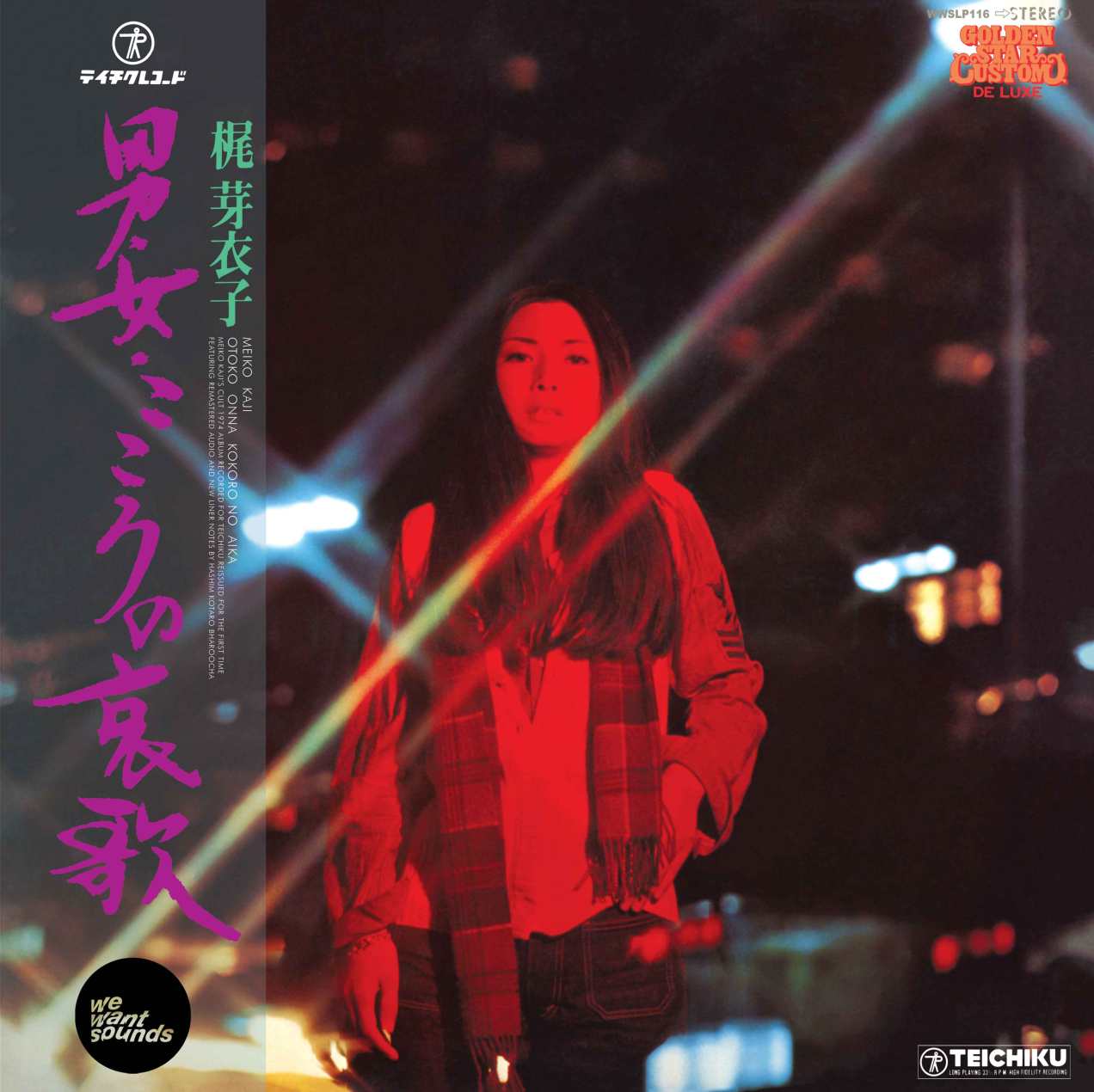
Various – Eternal Journey, The Arrangements & Productions Of Charles Stepney

Talk about let the music do the talking, even in this tastefully curated tribute collection to Charles Stepney the man himself is nowhere to be seen, at least in a visual sense. Even his words are scarce, the new Ace Records sets extensive liner notes highlighting that the producer only had one interview, a two-page spread in Downbeat, published and by 1976 he was dead at the age of forty-five due to a heart attack. Apparently on that day he had spoken to Earth Wind And Fire’s Maurice White about a song they had written in tribute to Stepney called ‘Spirit’ but all the same, this hardly equates to the kind of accolades the architect of the sounds heard across these twenty tracks should have enjoyed and deserved to receive. It is clear that as an eloquent arranger and a producer with a natural, musicians feel for what a song needed to fire up its heart and soul, he was level with Quincey Jones or George Martin. But as the accompanying text frustratedly notes, Stepney was not a rock architect who died too young at the peak of his powers and, for reasons that will probably never be fully understood, engine room craftsmen in the soul, funk and jazz-fusion fields did not get the kind of multi-page Mojo and Rolling Stone appreciations that their, often far less musically talented, heavy blues-rock or prog rock contemporaries enjoyed.  

There have also been a lack of compilations of this type in Stepney’s honour over the years, even this has been in the pipeline for ten years and required some determined unblocking along the way to bring it to fruition. The end product does justify the effort and perseverance though, and it does, even with a roll call of artists that gather up iconic names in blues, rock ‘n’ roll, jazz, gospel and soul, highlight a signature Stepney sound. All these tracks are blessed with lush, orchestral arrangements that are both advanced in their technical range and simultaneously devoid of any classical formal pose or pretension. In essence, they are packed with soul and most pull off the clever trick, that only few can truly master, of seeming devastatingly simple whilst possessing a deep, subtle complexity. There is also a timelessness which is creditable because, we are exclusively operating in the late part of the sixties and first half of the seventies and the latter, in particular, can possess a sound easily age identified. But these Stepney productions, many of which were hot finds for crate diggers in the nineties and beyond, sound completely at home in the contemporary picture. This will be in part down to their frequent use as samples from artists as disparate as Gang Starr and A Tribe Called Quest right up to DJ Shadow, The Roots and The Boards Of Canada; but it might also be true to say that the best recordings always do wear an agelessness about them.

Charles Stepney enjoyed his biggest success with Maurice White’s Kalimba Productions alongside other studio creations that became big hits, especially Deniece Williams number one ‘Free.’ Still, there is so much more and here we get to sample albums he participated in which maybe, in their time, were not regarded as overachieving but have since gone on to become cult collectors’ classics. 1968’s Cadet Concept album ‘Electric Mud’ by Muddy Waters was a record idea of Marshall Chess’s to take the blues legend out of his comfort zone and be someone else a while, for no other reason than it could be a gas. Whilst there are some who might believe Muddy was badly represented on this one-off, there is nothing about that smirking man in robes and sandals in a photo from the cover shoot that is not entering the spirit of the project. And the music, especially the cover of the Rolling Stones ‘Let’s Spend The Night Together’ that features here, is as raw, dirty, and downright sexy as any you will find, even by the writers themselves. The similar project from the same period that they tempted Howlin’ Wolf into, from which the artists disinterest really was beyond doubt, did not hit quite the same mark. The re-worked ‘Smokestack Lightning’ included here, whilst having nothing wrong with the seedy, nighttime production, does not come close to the originals thunderous tremors but it does stand as firm evidence of Stepney’s vivid inventive mind.

Also in 1968, although released in 1969, Stepney worked with jazz pianist Ramsey Lewis on an instant response to the Beatles newly released ‘The White Album.’ Literally in the space of a month, they put together ‘Mother Nature’s Son’ from which ‘Dear Prudence’ is the opening track on ‘Eternal Journey.’ It is a great place to begin because the slow build of the arrangement gives us listeners an instant display of the myriad colours available to Charles’ pallet. Texture, groove, dramatic rise and fall before glorious sunburst resolution, it is all here in an action-packed piano jazz instrumental. Soul classics from the period that stand out are Minnie Ripprton’s ‘Les Fleur,’ a piece of music that appears in the cultural audio landscape so regularly now it almost feels like a modern piece. The same can almost be said of Marlena Shaw’s ‘California Soul’ from her 1969 ‘The Spice Of Life’ album on Cadet. Re-set in this context, you do have to sit back and appreciate what a vital role the strings and orchestra play in this production, so much more than decorative backing, with that opening rousing riff they are basically a lead instrument. And then there are the symphonic psychedelics of The Rotary Connection, the interracial collective Marshall Chess had Stepney’s magic touch specifically in mind for. Just listen to their ‘Teach Me How To Fly’ soul fans, this is how it should be done. Not just soul, not merely harmonious vocalising, or symphonic production but music, you play this and it is so undeniable in its punch and power that you have to say that this is how you do music. And furthermore, this is how you do a respectful audio tribute to an immense talent for whom such a testimony has been long overdue.

Danny Neill

Get a copy of the album here: https://amzn.to/41nkCrg

Standard
New Release Reviews

Howling Bells – Strange Life

When the Howling Bells originally appeared on the scene with their self-titled debut in 2006, they had plenty of stiff competition for attention within the guitar pop world. This was, lest we forget, the time of ‘Landfill Indie,’ as wave upon wave of edgy, arch, angsty and sardonic four or five-piece groups with second hand attitude filled the declining CD store racks with miles of mostly uninspired, generic yelping produce. But Howling Bells always had a little something that pushed them above the general pack, a music that their singer Juanita calls a “kind of narcotic, bluesy, dreampop.” The band had a good initial run of nearly a decade before life and other endeavours took them quietly, although not permanently, out of view. Today the Australian trio, whose relocation to the UK twenty years ago paid such huge dividends in terms of exposure and positive press, still consist of the original core guitar slinging vocalist Juanita Stein, her brother and guitarist Joel Stein with drummer Glenn Moule. Other members came and went over time, but it was always the nucleus at the heart and soul of the music pivotal to their return. Had they not felt that same instinctive connection a fresh project such as this would not have been pursued.

The reignition of their subliminal magic was first felt by all three after taking advantage of a 2021 offer to perform together, for the first time in seven years, marking the 15th anniversary of their debut album. Juanita recalls them feeling a “constant drive to want to take it further, and that’s where I think the commitment lies with us: that we know how much power and beauty arises when the three of us come together.” Working once again with trusted collaborator Ben Hillier, they began shaping fresh song ideas, which started to arrive following this reformation, into a cohesive whole at his Agricultural Audio Studios. And so, in an era where older bands are announcing re-groupings and patching up of old differences on a weekly basis, we now have the return of The Howling Bells. Increasingly I feel that the artists who reform merely for a few live pay days should be sold with a public integrity warning, I have seen too many lukewarm shows by bands transparently only in it for the cash. But this does not apply to every act reunited, there are some who feel inspired by the revived energy of creation. Like John Lennon used to say about The Beatles getting back together, if one of them had a great idea and it felt right, he would do it; no amount of money was ever going to sway him though. It took me one listen to the Howling Bells new piledriving track ‘Sweet Relief’ to feel certain; this is one resurrection fuelled 100% by the best possible motivation.

The album is front loaded with a would-be classic in the lineage of bands opening a record with a song about themselves. ‘Hey Hey, We’re The Monkees’ or even ‘Wilco (The Song)’ this is not, but it does gloriously play into the dynamic and dramatic majesty of the Bells guitar sound, wrapping itself around lyrics that look to the skies as they have “always been lost in the big dream.” When the chorus spectacularly summons a sunburst of light and heat, I am briefly reminded of an earlier combo from Melbourne, Australia called Frente! The beautiful sugary drizzle of that band’s nineties heyday was also armoured by some forceful guitar attack, and it is a joy to feel that same seed repurposed by a current unit embracing the maturity and experience only time can bring. This wisdom has resulted in new songs like ‘Heavy Lifting,’ a spinning wheel of electric six-string momentum that puts entitlement and opportunism to the sword. ‘Sacred Land’ is even edgier, the crunching thrash as disturbed as Juanita is dismayed by the horrors of war and inhumanity.

This record is not all about power and pace; ‘Looking Glass’ floats on a circle of swirling keyboard that carries us into the realms of dreampop. The aching ‘Melbourne’ is an emotional centre point for the entire record, telling the personal story of the Stein siblings father passing and a rushed flight back to London to be by his bedside. The singer remembers, “I had two suitcases, one full of merch, so I was literally carrying so much weight; so much beyond what I could carry on top of the emotion of it. And then, unfortunately, he passed away whilst I was on my way back. So that experience was traumatic, and it felt important for me to tell it, and it felt really important for Joel to play it.” Ultimately, ‘Strange Life’ emerges as a triumphant reawakening for Howling Bells, an album that reignites the glow of their arrival and tempers it with the grit, grace, and momentum of everything life has thrown their way. The result is a union of past fire and present truth that feels both resonant and profoundly satisfying.

Danny Neill

You can get a physical copy of ‘Strange Life’ by The Howling Bells here https://amzn.to/4d0pObt

The track ‘Sweet Relief’ features in our latest hour-long new music mix over on Mixcloud https://www.mixcloud.com/dannyneill714/fruit-tree-records-fresh-juice-2026-vol-2/

Standard
New Release Reviews

Elles Bailey – Can’t Take My Story Away

I love it when an album lays down a statement of intent with the opening track. A declaration of where the artist is at both emotionally and spiritually, a let the music do the talking wakeup call that announces the beginning of a potent experience to follow. The kind of track that George Martin used to call a ‘pot boiler,’ and that is the very thing that launches the music on this superb latest album release from Elles Bailey. So, she begins with the title track, a song that has so much drama in its structure, such levitation in the horns and purpose in the chorus lines that you instantly think of words like ‘strength’ and ‘survival.’ These are exactly what this song is telling us about, the southern soul heft that resonates with the washes of organ, the Stax style brass and restless rhythm that accompanies the acoustic strumming launching the tune all screaming of a passion that will not be denied. She is coming out fighting, not just from the personal traumas that lacerate our living experiences but also in defence of her very place in the cauldron that is the lot of an expressive, performing musician. “Here’s to every song that never made the stage” she sings, an honest confession that even after inspiration comes knocking there are still battles ahead. Then she testifies, maybe by falling to her knees – it certainly sound like she might have – at the finale, with a cry of “God knows you’ve tried, but you can’t take my story away.”

I will not be denying you that story here either, for Elles is not a singer arriving at this, her sixth full length studio album, without some baggage and lineage. The authentic Americana Bailey delivers today has, in some ways, been there from the start. An early musical influence was her fathers Chess Records collection which gives a clue to the roots of this Bristol born artists ear for the gritty, rough textures in authentic early US R&B and electric blues. But more than that, it was a severe bout of illness at the age of three when bacterial pneumonia saw her intubated for seventeen days which affected her voice from there on in, giving it that smoky husk that feels so at home tackling the real down and dirty music she favours. She first cut her teeth in an indie band before finding a natural home in the blues‑and‑roots world; a sound that’s been pulling Elles an ever‑growing following. Over the past decade she’s released a steady run of records while her live reputation has surged, thanks to high‑profile support slots with musical heavyweights like Van Morrison and Jools Holland, and the electric, communal charge she brings to every stage she steps onto. This latest release however has seen Elles take a little longer, electing to afford the time the material needed while she both played and worked her way out of a self-confessed dark place.

Bailey may have felt some disconnection, going through a period where she questioned her sense of place and identity, an all too typical phase for a creative thinker to encounter on their journey, but the flipside of that coin is how the light she saw at the end of the tunnel is also visible in this music’s DNA. The clear message at the centre of the animated ‘Growing Roots’ is that, away from life on the road, Elles has found comfort in the simple pleasures of building her own nest. An early album highlight is the bouncing ‘Better Days,’ but there is a tragic association for Elles indelibly tied to this track. It was written by her late friend, Matt Long, the singer, guitarist, and songwriter for the award-winning band Catfish. Matt tragically passed away in October last year, 18 months after being diagnosed with bowel cancer. He and Bailey emerged onto the UK blues scene around the same time, crossing paths at festivals and on tour. “It felt like we were climbing this wild musical ladder together,” she said, “and then he got diagnosed with cancer.” During that time the whole community came together to help raise funds for his treatment. When he died, his parents showed her this song he had written, which Elles honours with the full-on conviction it deserves.

On other tracks, the introspective pull is unmistakable. ‘Blessed,’ a heavy‑hearted soul ballad, turns past hardship into something purposeful, finding its strength in the good people who step forward when life hits its roughest patches. The minimal guitar decoration that punctuates this tune is exceptional I must say, adding a dynamic edge that sharpens the whole arrangement. ‘Constant Need To Keep Going’ articulates the search for motivation in the face of obstacles and fatigue with a steady, relentless pulse that gains power in endurance. A strong soulful surge is never too far away, like ‘Take A Step Back’ celebrating the relief of turning away via an explosive chorus or ‘Angel,’ which has the most authentic Motown stomp you could hope to hear outside of Detroit in the sixties. Originally written as a ballad three ago with Aaron Lee Tasjan, it was a time when Elles mood was low and her mind fearful that vocal damage experienced back then might be permanent. When coming across the lyrics some time later however, she re-worked the song with producer Luke Potashnick into the classy floor filler we hear today. From start to finish, ‘Can’t Take My Story Away’ is stitched together skilfully as an ode to resilience and survival. So thoroughly does it identify reasons to be positive, sprinkling feelings that can lift a person out of the doldrums and insert reminders to take life’s simple pleasures for the gift that they are, that I would steer this record toward anyone who could use a little light in their day; but it deserves far more than that narrow framing. This is a collection built to be cherished by anyone who values musicians who can turn feeling into fire, and who understand just how transformative great playing and great songwriting can be.

Danny Neill

You can buy the album right here: https://amzn.to/477Be9M

Standard
New Release Reviews

Various – Little Bangers From Richard Hawley’s Jukebox Volume 2

Another superb compilation from Ace Records, who over the past five decades have deep dived into multiple crates of rare and wonderful fifties and sixties bounty so extensively it is a wonder they can still put sets out of this high standard. One ingenious way of keeping the releases fresh and interesting in 2026 is the personally curated collections by a genuine connoisseur record collector, of which the vintage rockabilly styled Richard Hawley is one of the best. It all comes down to whether the headline name has a good ear and, having previously shown his credentials with volume one, you can be reassured our host is a safe bet. No surprise really, that kind of faithful mid-century sound only comes from someone with a real, heartfelt appreciation of the originals. And to give the project even more a stamp of authenticity, it is clear from Richard’s detailed accompanying anecdotes to each track that these really were 45s he listened to on his jukebox. There is even one track (‘Man From Nowhere’ by Jet Harris) that was only available on a compilation album so Richard went to the trouble of getting one copy pressed on seven inch so it could be fed into the record machine.

What I do love about this collection and Richard’s personable text is how relatable it all feels to those who crate dug around charity shops, record fairs, and boot sales all their lives. Hawley reminisces about being on tour in the US during the nineties and coming across boxes of singles selling for next to nothing in the most unlikely of places, like the forecourt of a garage. But wherever he was finding his hidden treasure, the thrill of the hunt and the joy in the payoff is pretty universal. That buzz of finding something interesting looking, on a funky unknown record label or with a curious title, taking a punt on it then getting back home and lowering the needle for the first time to discover a B-side with garage-rock gold or a freakbeat frenzy is among the highest highs you can attain as a music lover. Or thinking you have one thing that turns out to be something entirely different but equally sensational; this happened to Richard as he quite reasonably expected The Surf Riders ‘I’m Out’ to be a Dick Dale style waverider only to get a boppin’ hillbilly lament about a man with a violent girlfriend.

A theme of music beloved of Richard Hawley does not necessarily limit us to one genre or era but nevertheless, he has managed to compile a journey in sound that makes sense from start to finish. Certain tracks offer a compelling case for the rich, overlooked creativity of the post rock ’n’ roll, pre‑Beatles years. People like Chet Atkins, Duane Eddy and Link Wray all have a plentiful supply of three-minute gold dust sprinkled in their catalogues, but we are also taken down far less explored corridors too. A little-known singer called Frank Minion comes on like a New Orleans street seller in 1958, and the listener is also enlightened to the unexpected garage band vibe heard in an Elvis Presley track from 1962. The structure of the album sees it front loaded with six instrumental tunes as our narrator rightly points out how massive music without words was in the early sixties, observing that it “makes your brain think and respond in a very different way.” For me, the greatest revelations were in some garage and psych golden rarities uncovered on his travels. The Blue Rondos ‘Baby I Go For You’ is an out-and-out nugget, as is the rocking horse obscure ‘Gotta Find A New Love’ by The Yo Yo’s on the Goldwax label from 1966. And you are extremely unlikely to find one of only fifty copies pressed of Sunshine Theatre’s ‘Mountain’ from 1971, a record that defies categorization, so you might as well experience it here, as part of a dizzying 28 track re-enactment of a night round Richard Hawley’s house, listening to his most treasured audio discoveries.

Danny Neill

Order a copy of this deeply enjoyable CD here: https://amzn.to/4ruR45k

Standard
New Release Reviews

Squeeze – Trixies

A question that is often asked of the great songwriters is, why do they write the most in enduring material in their early years? Whilst there can be much to enjoy and explore in the mature, later offerings of a legend, how is it that Paul McCartney cannot write another ‘Eleanor Rigby’ today, or Bob Dylan compose another ‘Like A Rolling Stone’? My guess is that those blessed with the gift of musical composition, especially song-based writers, have a lot of quite low hanging fruit in their head during those early years that they are uninhibited about taking and using, especially as they learn the finer points of their craft. Often these unrefined ideas have power in their melodic directness and neophyte vigour that inevitably gets chipped away at as the years advance. A writer in their fifth decade, as ridiculous as it sounds, almost knows too much by then. If McCartney were to dream up a song like ‘Can’t Buy Me Love’ today, maybe he would back away from it, not trusting its clarity or over-evolve it to the point where the purity of the idea is lost? I say all this because the new Squeeze album ‘Trixies,’ built, as ever, around the songs of Chris Difford and Glenn Tilbrook, possesses a youthful simplicity in spades. But there is a slightly unusual reason for that.

It may feel like a contradiction to use a word like ‘simplicity’ when describing an album that is closer to a concept piece than any band emerging in the punk years would dare to admit at the time. It is a thirteen-track collection of stories all set in a fictional night club called ‘Trixies.’ Many of the classic concept‑album tropes are at least nodded to, if not fully embraced: scene‑setters, breakaway vignettes, and recurring motifs, all shaped to fit the colourful club world the record inhabits. The trick in the tale however is that these songs were written by Difford and Tilbrook way back in 1974, a long time before the classic hit singles this band are still celebrated for. In fact, ‘Trixies’ was the very beginning of the duo’s partnership, written whilst they were both still teenagers. Upon learning this suddenly the simple pop purity of so many songs here makes sense. Yes, they were reaching for a grander scheme, the influence of The Who’s ‘Tommy’ does not need to be examined for fingerprints to know its presence, but the actual writing was at a level of blissful, wide-eyed hunger for the form. These tunes wear Beatles‑style major/minor pop frameworks on their sleeves, displaying them without inhibition. The incredible thing is, at the ages of 19 and 16 respectively, Difford and Tilbrook were already showing a sophistication in their music way beyond their years.

So why is it only now that we are finally getting to hear this newly recorded album? Well Difford puts it down to a lack of technical know-how whilst still three or four years away from their first record. “Long story short” he explains, “these were songs that we just didn’t have enough musical experience to record properly.” Tilbrook feels similarly relieved not only that the songs finally got recorded, but also that they did it as late as this. “These are very much the same songs we wrote then. The only difference is that now I can teach the songs to the rest of the band. Back then, I didn’t even know what the names of the chords were.” That fact alone will stop you in your tracks when coming across a song like the albums second, the scene setting ‘You Get The Feeling.’ It seems like the work of a master, flowing from intro to verse to bridge to chorus with the ease of an artist fluent in theory, not someone who might mistake a treble clef for a cauliflower. No wonder when rediscovering and playing the original cassette some fifty years later, they felt inspired to give the project an overdue revival.

It is revealing just how at home Chris and Glenn were with this form of expression. The popular rock operas of the day are clear in the structure, the curtain raising ‘What More Can I Say’ vividly dropping us in a nightclub scenario at the end of a long-storied night, the sun beginning to rise outside. That the time of day can be sensed in the key changes of the music alone is impressive. The leering punch-drunk lull in the vocal of ‘The Dancer’ suits the sinister texture of the portrait within the lyric. And then there are touches like the countdown that closes ‘The Place We Call Mars,’ the kind of cheesy flourish they would possibly never write today, but one you cannot help admiring for how perfectly it suits the album’s breezy spirit. Another real stand out is the lusting come-on and suggestive thrust that is ‘Why Don’t You.’ The chorus is a pure delight and here more than anywhere the band Squeeze became, the hit makers of ‘Another Nail In My Heart’ and ‘Cool For Cats,’ are in full view and it is absolutely thrilling. So yes, there are obvious stand outs but all the same, this is a record that remains strong from start to finish. After the curtain comes down with parts 1 and 2 of the title track, Squeeze sound so fully energised that you are left wondering if this is the beginning of something more. It would appear the answer is yes, an album of all new songs recorded alongside ‘Trixies’ is already completed and waiting in the wings. Watch this space, on this form it could well be another valuable addition to the bands classy catalogue.

Danny Neill

‘Trixies’ is out now and available for purchase here: https://amzn.to/3NdLDKf

The Band Squeeze in 2025 photographed by Dean Chalkley
Standard
New Release Reviews

The Wave Pictures – Gained / Lost

When a cult band has been around as long as The Wave Pictures, and they have been bringing us music for nearly three decades now, you can be sure that the lack of wider acclaim they experience in the present moment will be counterbalanced by the cult longevity retained long after they are gone. They might even receive some Nick Drake-esque posthumous elevation, making good on my theory that the good stuff does rise to the top eventually. They belong to a very small but, in its own way, enviable club; like The Fall whose legend has only grown after Mark E Smith’s passing or Half Man Half Biscuit, who are never in nor out of vogue but maintain an audience and a special niche with their idiosyncratic writing style. It is harder to pinpoint exactly what sets The Wave Pictures apart. They make infectious, often catchy, songs built around introspective urban kitchen sink drama without the grandeur of Morrissey; they play dirty garage rock but appear like sensibly attired young men beloved of their partners mothers; they have a guitar hero lead who could riff most of his peers into the ground but would rather boil a kettle than pose like a rock god; they give an on stage impression of being the lads gang you would want to belong to and yet are, in every way, the antithesis of laddism. Whatever it is about them, and no matter how appealing their modest stature might appear, they absolutely deserve to be a lot more successful than they have been thus far; this latest album release puts even more weight behind that claim.

Still with the core trio of David Tattersall on guitar and vocals, Franic Rozycki on bass and Jonny Helm on drums, they laid this record down in early 2024 at Rochester’s Ranscombe Studios with their old collaborator Jim Riley at the controls, capturing that live in the room sound they prefer. Launching with some instantly inviting pot-boiling guitar licks on ‘Alice’ which, despite its immediacy and an instrumental break both melodically progressive and threatening to push the dial into the red, has a very dreamy refrain. This is surely deliberate, for the song was inspired by the William Burroughs book ‘My Education’ and we are dazed by imaginings of a kind of antechamber between life and death, a place where it is said that there would be ice cream. This band can work on both a basic and a deeper level, which is beyond doubt and so it is with the lolling ‘Sure And Steady.’ This one is at first glance a song about memories, as Tattersall sings “I don’t remember yesterday but I remember when I was eight years old” things feel relatable and yet, as the memories home in on finer feelings, the space between the past and present blurs. That said, if you asked The Wave Pictures what this is about, I suspect they would say it is about flapjacks. That same timelessness and weightlessness is felt vividly in ‘Past The House Painted Blue,’ here it is a peak into the ever-changing watercolour inside Tattersall’s head while musically, he treats us to some of his finest West African sounding guitar sorcery.

‘You’re My Patient Now’ plugs into the scuzzy, growling electric prowl that decorates this band with a whole other, far darker dimension. Here there is, and elsewhere across the record, another female voice heard in the mix which gives the piece a mild horror texture, although the song is actually prompted by the detective fiction of Raymond Chandler. ‘Sparklers’ returns to the domestic, inspired partially by the poetic wording on a tin of golden syrup. Themes of memory and passing time are an ever present across ‘Gained Lost,’ the title track evoking thoughts musically of the Rolling Stones ‘Exile On Main Street,’ which is a reference point also signposted by the cover art design. For all those comparisons, the Stones could never have been this ingloriously winsome. ‘Faded Wave Pictures T-Shirt’ tugs on many key elements of this bands appeal; indie-culture sartorial references, a sense of longing and nostalgia inflected reverie, thoughts of beaches blessed by a surf tremolo sound and some beautifully expressive guitars that chart a direct path back to the Velvet Underground at their most beautiful.

‘Samuel’ has a burst of instrumental colour with some keys and a scraping violin entering the mix. If experiencing this album is like walking through an art exhibition, this one would have you rooted to the spot a little longer, scratching your head trying to work out what is going on as the nightmarish refrain repeats “even the phone is dead, do you hear that, Samuel?” ‘The Past Comes Back To Haunt Me’ revisits a chugging, conveyor belt-like revolving sound that resonates like the Modern Lovers; long term Wave Pictures fans might remember them locking this groove on ‘The Woods’ earlier last decade. In a rare drop of pace, the penultimate tune ‘Orange Fire’ meditates on the idea of photographs and the notion of catching a ghost in the frame. This is another one where David expresses freely on a stunning guitar solo, playing the track to its end, it shows the pay back achievable when capturing this band in a comfortable situation and just letting them play. ‘Worry Anymore’ closes a glorious set with an overwhelming downpouring of feelings and thoughts that have been amassed along the way, even the ice cream sung about at the beginning makes a re-appearance. The Wave Pictures may not break any new ground with this album, but they do better than that. ‘Gained Lost’ is the work of a band at peace with all their strengths, including the ability to write a cohesive suite of compatible songs, and playing to those abilities with confidence, conviction, and flare. What more can I say? It is another brilliant Wave Pictures album.

The Wave Pictures album ‘Gained / Lost’ is out now and can be purchased here: https://amzn.to/4120AlD

Danny Neill

Standard