

Now that everyone has the history of recorded music at their fingertips, I often find myself grateful that my formative years in listening were during the 1990s Compact Disc heyday. Not only were the rare prog rock, sixties psych and other such obscure classics, starting to cost a fortune on increasingly scarce original vinyl, being re-issued with incredible, often remastered, sound quality but regularly the packages would include deep liner note booklets and bonus material of hard-to-find radio sessions, outtakes and B-sides. And what you had to do, hence my gratitude for experiencing the time period, was live with that release for a while. Listen to it regularly, maybe every day for a month if something is particularly special, inviting the music to burn inside your living soul. I know that this element is lost today because even with my appreciation of deep immersion, I have to work at affording albums the time needed to reveal their full worth of hidden delight. All the instant access choice in front of me and my ongoing appetite for new discoveries can present a challenge, giving time becomes a discipline.
But I have never properly lost the appeal that a good CD package can hold, despite my obvious love of vinyl and thrill I get from seeing it properly re-establish itself as a format after some death rattle years between 1990 and 2010. I always check the CD shelves in local charity shops and get a highly addictive buzz from finding a title that would have cost £15-£20 on release for pennies. Card digipacks, slipcases, jewel cases, inner booklets, archival box sets, perfect sound quality, what’s not to like? For all the talk about the superior sound quality of vinyl, for me that can only truly be heard on records released fifty or sixty years ago; if an album was produced to be played on vinyl it is true the original sound quality is often the best, but in the CD age I think any audible difference between record and compact disc is highly debatable and I admit, most of the time, I cannot hear a difference.
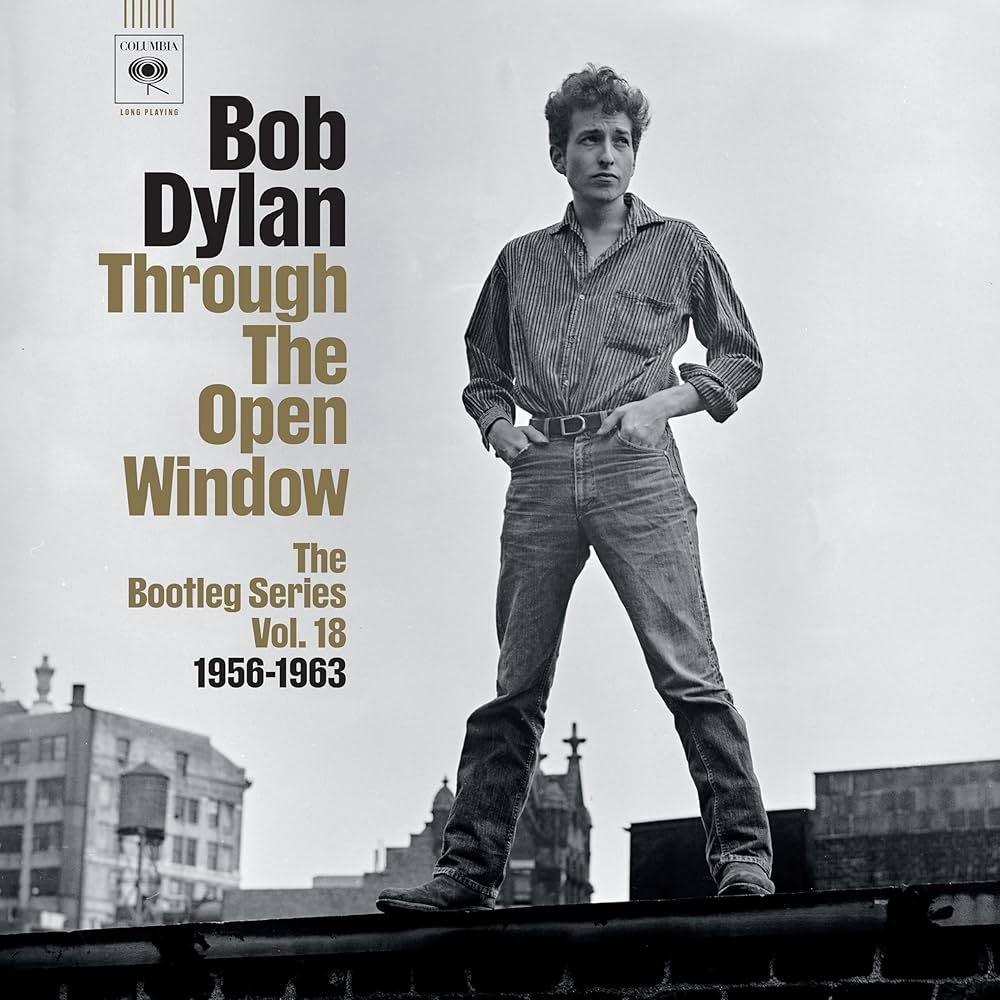
I have been thinking about all this because on one of my recent charity shop trawls, I found myself standing shoulder to shoulder with a couple of late teenage years, hungry for music, male shoppers. They had no qualms about me being an up-close spectator to their conversation, so I did ascertain that one of them had recently passed a driving test and was looking for albums that he could play in his car which only had a CD player. And they seemed to have good taste too, openly mocking the Daniel O’Donnell titles whilst perking up a lot when coming across a Johnny Cash or White Stripes album. However, I witnessed the problem with the present-day eternal pick and mix form of audio exploration right there too. One of the lads excitedly pulled out Bob Dylan’s greatest hits, the other responding “yeah that’ll be good.” He turned the case around and read out some titles “umm…’Like A Rolling Stone’…’All Along The Watchtower’…” continuing with bemusement and quickly losing interest. He perks up with ‘Knocking On Heaven’s Door’ but then shoves the album back on the shelf with the verdict “nah, that’s the only one on it.”
It was so tempting to interject at this stage. After all, if they really had never heard those Dylan classics and played the album on their next car ride, how can that not be a life-changing experience for anyone with an ear for music? I remember the first time I encountered ‘Like A Rolling Stone’ with more clarity than I remember waking up this morning, and that was almost exactly thirty-five years ago trying out some old seven-inch singles from my parents’ record collection. The misconception is that the accessibility of everything enables eclectic exploration of all music’s new and old, but the opposite is also true, it encourages engagement of the most casual kind with nothing but that which exists in plain sight on the surface level. The two lads quickly abandoned their search and left, one predicting “we can find all of these for free on Facebook marketplace.” I checked that last claim out, as far as I could see, it was false. And why did I not offer them a word to the wise and say that the Dylan collection really should not be dismissed so readily? Mostly because I recognized the moment. Years ago, I bumped into my old English teacher not long after leaving school, and we ended up chatting about my then‑new obsession with Bob Dylan. He told me, with total conviction, that if I liked Dylan, I’d love Richard Thompson. Did I rush off and explore Thompson’s catalogue? Of course not. I waited nearly a decade and eventually found my own way to him. So, when those lads brushed past Dylan with a casual wave of the hand, I knew they were simply at that stage where you discover things on your own terms (even if the current easy access climate is not always serving them well). I’ve no doubt my well‑meant advice would have landed with the same polite “yeah, sure… maybe one day” I once gave my teacher.







 Fruit Tree Records