
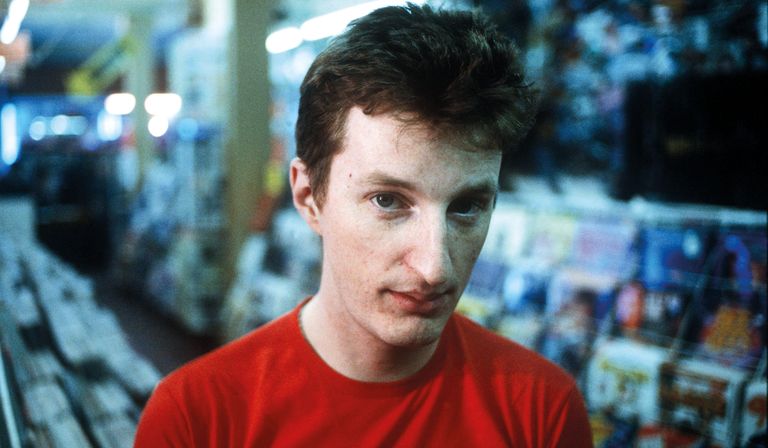
Billy Bragg – Between The Wars
For this edition of Old Fruit we are jumping back forty years to 1985 and a few tracks that show an often maligned period in popular music had some seeds of hope in the margins away from the thin-synth dominance of the mainstream. I am kicking off with Billy Bragg because I launched this weeks Fresh Juice with another guitar crunching bard from Essex and I felt like indulging in a bit more of the South of England’s London overspill splendour. Bragg’s classic lament drew vivid parallels between the working class struggles felt in England between the world wars and the Britain he drew topical inspiration from in the eighties. Forty years later, the relevant themes insure this song still has a place in the musical culture, even if the idea of the protest song itself now seems awfully idealistic and naïve. Bragg though, always sang, and continues to sing, with feeling and sincerity which is precisely why he has endured.
R.E.M. – Driver 8
In 1985 this tune, heard here in a rare earlier acoustic performance, would be one of the stand out tunes on R.E.M.’s third album ‘Fables Of The Reconstruction’, a record the band would have less than fond memories of recording in a damp English winter with the legendary Joe Boyd in the producers chair. It seems incredible now that while the US was frothing over Madonna and Prince (justifiably so I might add) ploughing away in the margins at the exact same time was one of America’s greatest ever rock bands, quietly refining their craft and slowly finding their identity. Maybe it should stand as a lesson in two things; firstly that there is a lot to be said for not tasting success too early and secondly, that the good stuff really does rise to the surface eventually. Nowadays, all five of those pre-worldwide fame R.E.M. albums are regarded as must hear classics.
The Fall – Spoilt Victorian Child
Whereas the previous band would tangibly move from their cult, outsider status to a place where their genius won the acclaim and success it deserved, the same pathway never opened out for The Fall. That is, I guess, understandable for the confrontational, unpredictable and undiluted delivery of leader Mark E. Smith was clearly never made for mass mainstream consumption. Even when he did break through to occasionally occupy a popular platform (I’m thinking about his Top Of The Pops appearance with the Inspiral Carpets in 1994 or the later time when BBC TV got him to read the Saturday evening football results) the tension that followed Mark around was not unlike that felt when a potentially aggressive thug stumbles into a pub looking for someone to pick an argument with. But maybe that was the thing that gave The Fall their spark? That garage rock energy and post-punk edginess moulded into something wholly unique and real by Smith’s primitive, poetic take on life as a working class man from Northern Britain.
The Waterboys – The Whole Of The Moon
For just a short time in the 1980s The Waterboys featured two of the periods greatest songwriting and producing talents. Band leader Mike Scott, for whom the group were essentially always a solo project with an ever rotating supporting cast of musicians (much like The Fall actually), is the ever present Waterboy but for a couple of albums back then they also had the equally gifted Karl Wallinger. It was undoubtedly a volatile pairing as both men were natural leaders with a strong desire to back their ideas but Karl did later prove himself in his own one-man band with changeable sidemen configuration, World Party. ‘The Whole Of The Moon’ remains the crown jewel from their time together, definitively Mike Scott’s composition but traces of Walllinger across the recording are undeniable and do enhance it with sonic stardust that continues to burn bright to this day.
Camper Van Beethoven – Take The Skinheads Bowling
This was an early underground anthem from a band formed in 1983 in Redlands, California having emerged from garage bands like Sitting Duck and Estonian Gauchos. This track helped bestow a quirky irreverence on them that, along with their facility to eclectically fuse punk, folk, psych and ska influences, insured their status as cult favourites. This one appeared on debut album ‘Telephone Free Landslide Victory’ and two more albums would appear the following year before they signed to Virgin in 1987. They split in 1990 (although would reform by the end of the decade) after their last notable success, a 1989 cover of Status Quo’s ‘Pictures Of Matchstick Men’ which became a number 1 hit on Billboard’s Modern Rock Tracks in 1989.
‘Til Tuesday – Voices Carry
Elvis Costello once described the eighties as “the decade that taste forgot” and whilst this weeks feature has been tailored to present the case for the defence from the eras middle period, when all the excesses provoking that kind of comment were at a peak, it is true that around 1985 you could find acts like Bob Dylan, Neil Young and even Elvis himself struggling with the digital production evolutions of the time. But this final selection also points to the same issues possibly restricting newer artists who would find their sound a lot more convincingly later in the nineties and beyond. Aimee Mann, one of the next decades most credible and dependable purveyors of a grungy, folk-rock sound, is heard here leading her band ‘Til Tuesday, clearly developing the writing chops that would serve her so well later on, but arguably held back by a flat mid-eighties pop sheen. This isn’t too bad, there is a lot of potential on display, but there was much better to come further down the line. Something I find myself thinking about a lot of music from this era.
 Fruit Tree Records