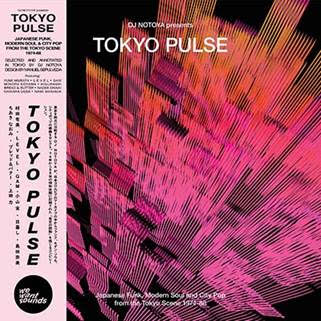
Japan’s musical past is a vast, interlinked web of scenes that rarely travelled far beyond its borders at the time. Yet the country’s funk, soul, and early city‑pop experiments of the 1970s and ’80s remain some of the most inventive recordings of the era, these cuts were sleek, melodic, and often startlingly ahead of the curve.‘Tokyo Pulse,’curated by Tokyo turntablist and archivist DJ Notoya, digs deep into that world and emerges with a set that feels both revelatory and overdue. This latest volume continues the labels’ ongoing excavation of Japan’s groove‑driven heritage. The presentation is characteristically meticulous: sleeve design by Manuel Sepulveda (Optigram), detailed notes from Notoya himself, and a mastering chain that runs from Nippon Columbia’s engineers in Tokyo to a final vinyl polish in Paris. Most of the tracks have never been issued outside Japan, which gives the compilation the thrill of discovery as opposed to the comfort of familiar canon.
The opening cut, Naomi Chiaki’s ‘Yoru E Isogu Hito’ (1978), sets the tone with a slow, shadowy glide, half soul ballad, half late‑night city drift. Chiaki, better known for her work in the kayōkyoku tradition, shows how fluidly Japanese pop singers could slip into funk‑leaning territory when the right musicians were behind them. Yumi Murata’s ‘Ranhansha’ (1979) sharpens the edges. Murata (who would later collaborate with Ryuichi Sakamoto) brings a cool, controlled vocal to a track built on clipped guitar, nimble bass, and a rhythm section that feels primed for a smoky basement club rather than a glossy studio. L‑E‑V‑E‑L’s ‘Bagdad No Atari Nite’ (1981) nudges the compilation into the next decade, where the production becomes smoother and the grooves more refined. This is a bridge between the earthy funk of the late seventies and the polished city‑pop sheen that would soon define Tokyo’s mainstream. Side one closes with GAM’s ‘Lake In The Forest’(1980), a gentle, reggae‑tinged piece featuring musicians associated with the cult Arakawa Band. Its breezy sway and pastoral calm offer a moment of respite, a reminder that Japanese groove music often absorbed global influences in unexpected, highly personal ways. It is also, for me, one of the outstanding highlights of this set, fusing its Jamaican sensibility with some sweet melodic manipulations worthy of the most commercially tuned-in jazz funk purveyors of the day.
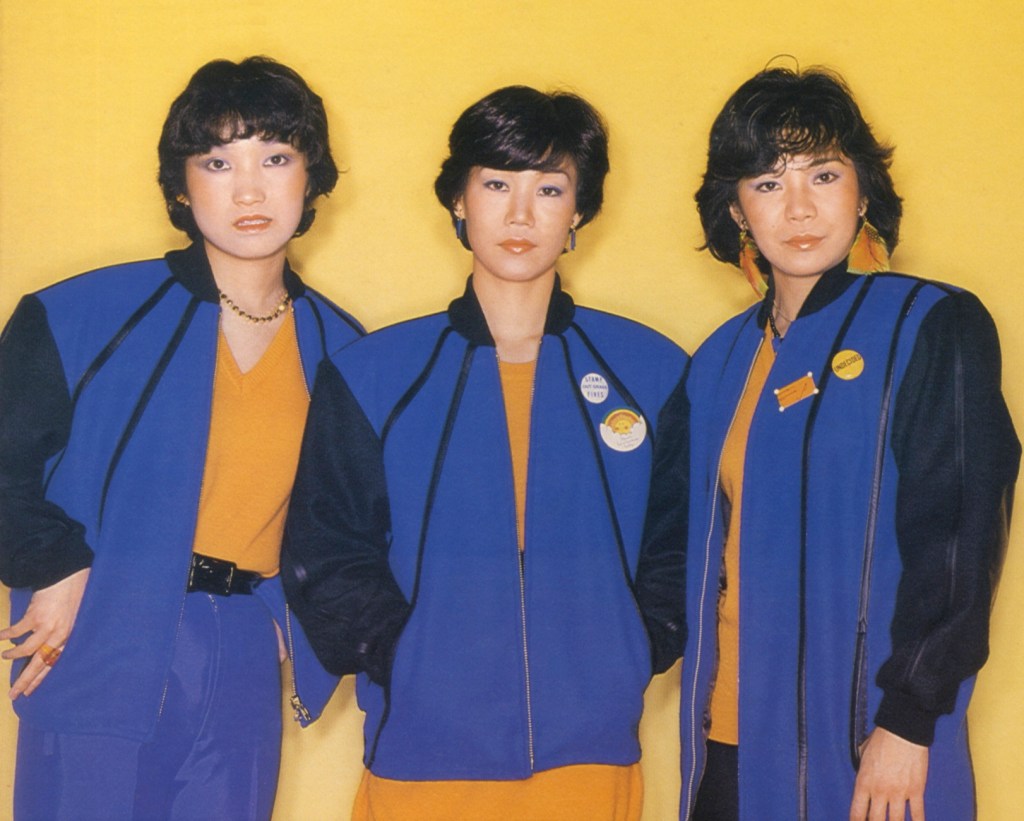
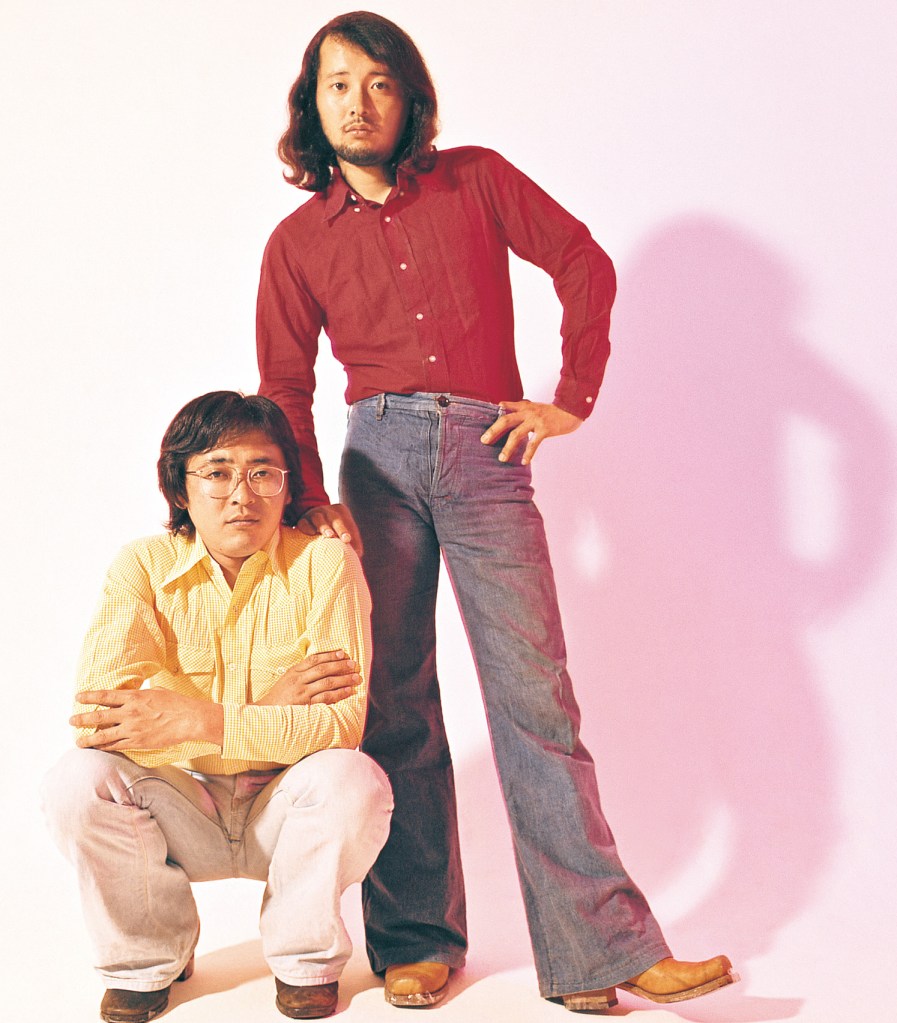
The flip side jumps forward to the late eighties, that big drum and fretless bass sound as effective a time stamp as any release data, with Nami Shimada’s ‘Mitsumeteirunoni.’ This is a mid‑tempo electro‑funk track that captures the era’s fascination with dance‑floor gloss, visions of shoulder pads and rolled up jacket sleeves are hard to shake. Shimada, who would later gain international attention through her work with Soichi Terada, anchors the track with a poised, crystalline vocal. Bread & Butter’s ‘Memory’ (1974) pulls the mood back into the seventies with a ‘Shaft’ like wah-wah intro that breaks down into a sultry simmering thing of soul warmth capped by an aching harmonica figure. The lineup reads like a miniature history of Japanese pop innovation: Haruomi Hosono, Ray Ohara, Tatsuo Hayashi, and Shigeru Suzuki all contribute, each of them central to the evolution of modern Japanese music; from Happy End’s folk‑rock revolution to the studio wizardry of Tin Pan Alley and the electronic breakthroughs of Yellow Magic Orchestra. Minoru Koyama’s instrumental ‘After Image’ adds a cinematic, fusion‑leaning dimension, full of drifting electric keys and widescreen atmosphere. It is the kind of track that could easily soundtrack a lost art‑house film. Chikara Ueda & The Power Station’s ‘Island Cuckoo’ (1979) brings a breezy, Brazilian‑inflected funk energy. This one is certainly light on its feet, rhythmically playful, and instantly charming. The compilation ends on a reflective note with Higurashi’s ‘Anata Wa Doko Ni Irundesuka’ (1974), a tender blend of folk and funk that closes the record with a quiet emotional resonance.
‘Tokyo Pulse’ is a worthy piece of musical cartography although the fact that it plays as an infectiously retro laced funk odyssey from start to finish should not be overlooked. It traces the threads connecting Japan’s funk, soul, folk, and early electronic scenes, revealing how porous and inventive the country’s musical culture was during these decades. The curation is sharp, the mastering immaculate, and the sequencing thoughtful enough to feel like a journey rather than a survey. For collectors, historians, and anyone fascinated by the ongoing re‑evaluation of Japanese music, this is essential listening. It is a vivid snapshot of a city whose musical imagination has always been far broader than the world realised at the time.
Danny Neill
The ‘Tokyo Pulse’ CD album is available to buy via this link: https://amzn.to/3R1h38g