Old Fruit

Old Fruit 3rd October 2025

Tim Buckley – Happy Time

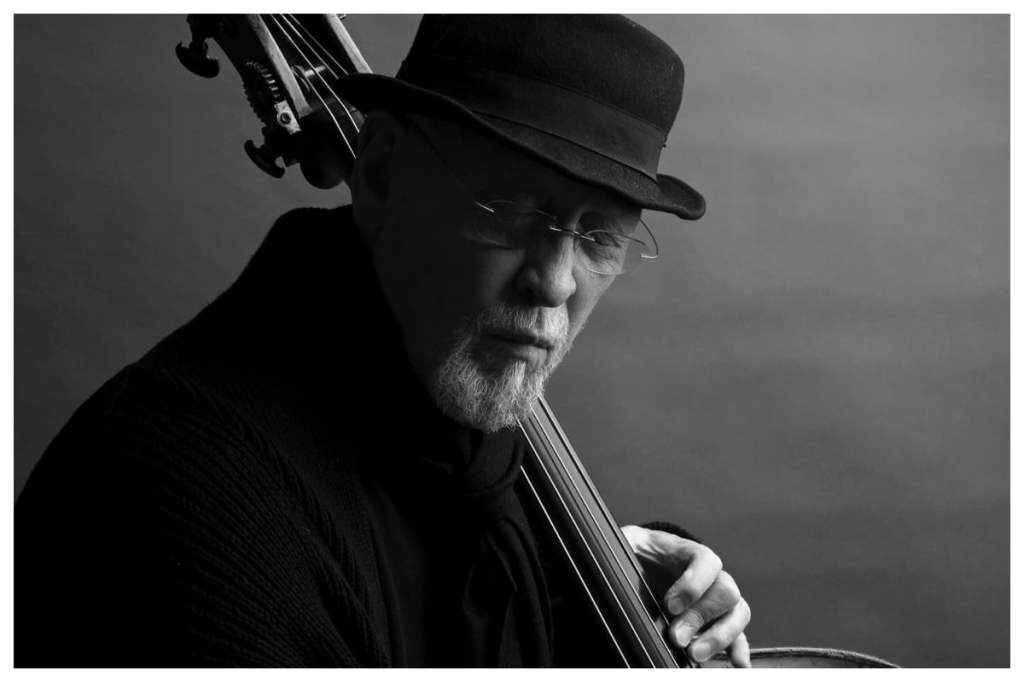
Last week the sad news broke of the passing of double bass legend Danny Thompson. As a tribute to the man and his immense fingerprint left on the landscape of 20th century music this weeks edition of Old Fruit pulls six archive performances enhanced by Danny’s involvement holding down that bottom end. First up, a rare piece of film capturing the week in October 1968 when Tim Buckley visited the UK to play the Queen Elizabeth Hall in London. Danny was part of his pick up band upon arrival in the UK, rising to the unenviable challenge of following Tim’s music and bringing an appreciative backing to proceedings. It is evidence of Danny’s standing in the sixties as a go-to session man, a reputation that would see his name appear on many credits from the time, most notable on records by Alexis Korner’s Blues Incorporated, John McLaughlin Trio and Nick Drake.

Pentangle – Light Flight

Danny’s presence on the double bass in Pentangle undoubtedly elevated the bands fusion of folk, jazz and free-form acoustic psychedelics to heights they would not have attained with a mere four string plunker. He could bring both percussive energy and improvisational alertness and as such, the band felt like the ideal environment for his eloquences to thrive and evolve. For a time they did too, although Danny was never likely to be limited to just one combination of players during a career when so many would seek out his sound, his ear and his magic touch. Here he is performing arguably Pentangle’s most well known number at the start of 1971, a song that was originally both a 45 and a stand out number from the bands ‘Basket Of Light’ album.

John Martyn – Couldn’t Love You More

John Martyn’s deep folk-jazz fusion benefited from the Danny Thompson touch in a collaboration that would last more than three decades. They first came together for Martyn’s 1973 classic ‘Solid Air’ and it would be a union that endured through not just studio work, but mouth watering live concert sessions too, as is witnessed here from a vintage ‘Old Grey Whistle Test’ clip. Their last known shows together were in the early 2000’s by which time Danny almost sounded like the essential component in John Martyn’s soulful, probing musical quest.

Richard Thompson – Put It There Pal

Similarly on a wavelength were the musical interactions between folk-rock maestro Richard Thompson and Danny. It has long been impossible for the pair to be written about without first explaining that they were not brothers, but with the kind of intuitive understanding they often displayed in live performance it was hard not to think there must be some higher degree of communication going on. Their highlights are worth digging into across a multitude of live recordings over the years but they did also share joint billing on an under-the-radar 1997 studio album called ‘Industry’.

Martin Simpson – Heartbreak Hotel

There is a temptation in compiling this selection to dip into some of the more mainstream cameos to be found of Danny’s work over the years. Top of that list is his bass credit on Everything But The Girl’s nineties melancholy dance classic ‘Missing’, of which there are TV appearances featuring Danny to be found should you care to dig them out, but really all he is doing on that track is holding down a very basic, beat accompanying low end. His playing always shines with brighter colours and variation when heard alongside an instrumentalist of similar dexterity. That is what we find here, playing in tandem with folk guitar legend Martin Simpson on a live bluesy version of a fifties rock ‘n’ roll classic.

Danny Thompson – Idle Monday

We finish with one of the all too scarce examples of Danny taking the lead on a performance of a tune from his first solo album. ‘Whatever’ was released in 1987 to a favourable critical reception in the jazz world, it gave Thompson a platform to express his love of folk and jazz in a deep instrumental showcase that did open the door for future solo projects in a similar vein. Danny himself said “I just wanted Kate Bush to like it. I wanted the jazzers to like it. I wanted the folk side to like it”. Returning to the album after news of his death broke, this work does stand the test of time and represents a grain of the mans music that is ripe for rediscovery amongst the many higher profile recordings on which his genius, expressive playing can be heard. We have lost a good one here, RIP Danny Thompson.

Standard
Old Fruit

Old Fruit 26th September 2025

Billy Bragg – Between The Wars

For this edition of Old Fruit we are jumping back forty years to 1985 and a few tracks that show an often maligned period in popular music had some seeds of hope in the margins away from the thin-synth dominance of the mainstream. I am kicking off with Billy Bragg because I launched this weeks Fresh Juice with another guitar crunching bard from Essex and I felt like indulging in a bit more of the South of England’s London overspill splendour. Bragg’s classic lament drew vivid parallels between the working class struggles felt in England between the world wars and the Britain he drew topical inspiration from in the eighties. Forty years later, the relevant themes insure this song still has a place in the musical culture, even if the idea of the protest song itself now seems awfully idealistic and naïve. Bragg though, always sang, and continues to sing, with feeling and sincerity which is precisely why he has endured.

R.E.M. – Driver 8

In 1985 this tune, heard here in a rare earlier acoustic performance, would be one of the stand out tunes on R.E.M.’s third album ‘Fables Of The Reconstruction’, a record the band would have less than fond memories of recording in a damp English winter with the legendary Joe Boyd in the producers chair. It seems incredible now that while the US was frothing over Madonna and Prince (justifiably so I might add) ploughing away in the margins at the exact same time was one of America’s greatest ever rock bands, quietly refining their craft and slowly finding their identity. Maybe it should stand as a lesson in two things; firstly that there is a lot to be said for not tasting success too early and secondly, that the good stuff really does rise to the surface eventually. Nowadays, all five of those pre-worldwide fame R.E.M. albums are regarded as must hear classics.

The Fall – Spoilt Victorian Child

Whereas the previous band would tangibly move from their cult, outsider status to a place where their genius won the acclaim and success it deserved, the same pathway never opened out for The Fall. That is, I guess, understandable for the confrontational, unpredictable and undiluted delivery of leader Mark E. Smith was clearly never made for mass mainstream consumption. Even when he did break through to occasionally occupy a popular platform (I’m thinking about his Top Of The Pops appearance with the Inspiral Carpets in 1994 or the later time when BBC TV got him to read the Saturday evening football results) the tension that followed Mark around was not unlike that felt when a potentially aggressive thug stumbles into a pub looking for someone to pick an argument with. But maybe that was the thing that gave The Fall their spark? That garage rock energy and post-punk edginess moulded into something wholly unique and real by Smith’s primitive, poetic take on life as a working class man from Northern Britain.

The Waterboys – The Whole Of The Moon

For just a short time in the 1980s The Waterboys featured two of the periods greatest songwriting and producing talents. Band leader Mike Scott, for whom the group were essentially always a solo project with an ever rotating supporting cast of musicians (much like The Fall actually), is the ever present Waterboy but for a couple of albums back then they also had the equally gifted Karl Wallinger. It was undoubtedly a volatile pairing as both men were natural leaders with a strong desire to back their ideas but Karl did later prove himself in his own one-man band with changeable sidemen configuration, World Party. ‘The Whole Of The Moon’ remains the crown jewel from their time together, definitively Mike Scott’s composition but traces of Walllinger across the recording are undeniable and do enhance it with sonic stardust that continues to burn bright to this day.

Camper Van Beethoven – Take The Skinheads Bowling

This was an early underground anthem from a band formed in 1983 in Redlands, California having emerged from garage bands like Sitting Duck and Estonian Gauchos. This track helped bestow a quirky irreverence on them that, along with their facility to eclectically fuse punk, folk, psych and ska influences, insured their status as cult favourites. This one appeared on debut album ‘Telephone Free Landslide Victory’ and two more albums would appear the following year before they signed to Virgin in 1987. They split in 1990 (although would reform by the end of the decade) after their last notable success, a 1989 cover of Status Quo’s ‘Pictures Of Matchstick Men’ which became a number 1 hit on Billboard’s Modern Rock Tracks in 1989.

‘Til Tuesday – Voices Carry

Elvis Costello once described the eighties as “the decade that taste forgot” and whilst this weeks feature has been tailored to present the case for the defence from the eras middle period, when all the excesses provoking that kind of comment were at a peak, it is true that around 1985 you could find acts like Bob Dylan, Neil Young and even Elvis himself struggling with the digital production evolutions of the time. But this final selection also points to the same issues possibly restricting newer artists who would find their sound a lot more convincingly later in the nineties and beyond. Aimee Mann, one of the next decades most credible and dependable purveyors of a grungy, folk-rock sound, is heard here leading her band ‘Til Tuesday, clearly developing the writing chops that would serve her so well later on, but arguably held back by a flat mid-eighties pop sheen. This isn’t too bad, there is a lot of potential on display, but there was much better to come further down the line. Something I find myself thinking about a lot of music from this era.

Standard
Old Fruit

Old Fruit 22nd August 2025

Ottilie Patterson & Chris Barber Band – Mama He Treats Your Daughter Mean

For this edition of Old Fruit I am looking back at half a dozen vintage jazz selections all of which are cooking, boiling, frothing, fizzing and fantastic. The late fifties and early sixties were overflowing with undeniable jazz music, it is probably fair to assess that this was the last era when jazz sailed close to the mainstream. Not only was it a period of great leaps forward in melodic and structural evolution but it was delivered with such ice-cool style and image. No wonder it all just looks so classic now. So, set alongside some of this bebop, bohemian cutting edge elegance, some of the British trad jazz contingent may have started to look very old fashioned seemingly overnight. But while there may be some truth to that with a combo like the Chris Barber Band, as this clip clearly proves they could still tear it up with the best of them. Mind you, they were instantly pushed into a different league altogether any time the deceptively domestic looking Ottilie Patterson stepped up to the microphone, a singer of such pure vocal power and honesty that she even managed to out-soul Ruth Brown when covering her 1953 R&B classic as the band do here. One look at Ottilie and you know this is the real thing!

Jimmy Giuffre Trio – The Train And The River

As mentioned in the text accompanying the first song, the style and visual presentation of jazz during this period was potentially as crucial to its long term status as the music itself. Nowhere was the indelible late fifties jazz look captured on film better than the 1958 picture ‘Jazz On A Summers Day’, the opening sequence of which are the images that appear with this performance. The Jimmy Giuffre Trio had released this piece the previous year and it won many plaudits for its realisation of Giuffre’s “blues based folk jazz” which merged understated swing with the sensibilities of a chamber referencing musicianship. That this rendition at the 1958 Newport Jazz Festival should open the film depicting events and performances at that years festival only serves to cement this hypnotic piece into the fabric of the eras jazz lineage. And just look at the names in those opening credits, if you have not seen this movie get on whatever streaming platform you need to find it and put that right immediately.

Art Blakey & Lee Morgan – I Remember Clifford

Whilst not quite as celebrated as Miles Davis, Lee Morgan has stood the test of time and to this day remains one of the essential players to listen to from this period of jazz history. He had a beautiful tone to his playing, an awareness of melodic motion and an appreciation of the simple truth that sometimes less is more. His music remains a real pleasure to experience and his untimely death in 1972 is still one of the greatest losses to the music world imaginable. Lee had recorded this tune, a 1956 Benny Golson composition written in tribute to trumpeter Clifford Brown who had died in a car crash, on his 1957 Blue Note Records album ‘Lee Morgan Volume 3’. On both the recording and this live footage the composer Golson is present on saxophone and it is said that he regarded it as a symbolic passing of the torch from Brown to Morgan, at the time still very much a young trumpet prodigy from Philadelphia.

Charles Mingus – Better Git It In Your Soul

This was the opening track from Mingus’s legendary 1959 album ‘Mingus Ah Um’. It suits the mans personality, it is a mammoth tune that unfolds with might and momentum and packs a punch with undeniable force. You see it in these images (when they begin, the first three minutes of this one is audio only), even when the brass soloists step forward it is still Charles you cannot take your eyes off, a powerhouse propelling everything forward. The tune was inspired by the gospel singing and preaching heard where Mingus grew up, the shouts, handclaps and sense of anything goes improvisation reaching for, and finding, the spirit of a Southern Black church service. This tune is considered one of the best examples of Mingus’s faculty for bringing complex themes and structures into a soulful and rousing melange of sound.

Bill Evans – Waltz For Debby

This tune first appeared on Bill Evans 1957 debut album ‘New Jazz Conceptions’ on Riverside Records. It was written for his niece, Debby Evans, and is a beautifully lyrical waltz that blends Evans classical sensibilities with jazz harmonies. This was to become Evans most iconic original composition that would also go on to be the title track for a live album recorded at the Village Vanguard in June 1961, this proved to be the final recording for Evans legendary first trio, often hailed as the pinnacle of piano trio interplay. This particular piece of film is from 19th March, 1965 recorded for the London BBC TV series Jazz 625.

Miles Davis – So What

And I simply cannot resist the urge to finish this jazz half dozen with arguably the most iconic piece of film footage from the genre available on YouTube. ‘So What’, with the previous songs leader Bill Evans on piano not to mention John Coltrane and Cannonball Adderley on saxes, was recorded and released in 1959 on the landmark Miles Davis album ‘Kind Of Blue’. To this day it remains an all time jazz classic, so wonderful in its simplicity on the one hand and yet a foundation block for all the freedoms and melodic space that would define modal jazz in years to come and prove to be a guiding influence for many a legendary artist, including Coltrane himself as well as people like Herbie Hancock and so much of what was to evolve on the Blue Note label in the sixties, seventies and beyond. On top of that, it just all looks so fantastically cool.

Standard
Old Fruit

Old Fruit 15th August 2025

Donovan – Hey Gyp (Dig The Slowness)

This edition of Old Fruit is jumping back sixty years for half a dozen nuggets with maximum nineteen sixty five-ity! First up is Donovan, playing a song that sixty years later is also the opening track on the new Robert Plant and Saving Grace album. Plant has acknowledged in an interview with Mojo Magazine that it was Donovan’s version that drew him into the song and, whilst being aware that it was previously recorded in 1960 as ‘Chevrolet’ by Lonnie Young and Ed Young, he was unaware of an earlier 1930 version called ‘Can I Do It For You’ by Memphis Minnie and Kansas Joe McCoy. This film clip, like one or two others in this weeks feature, is actually from 1966 but all the original records were released in 1965, dig?

Bob Dylan – Positively 4th Street

So captured here in his prime wild mercury, newly electrified phase is the man Donovan was, quite reasonably, accused of emulating in the early months of 1965. Of course, it was only a short matter of time before the Don’s power-flower dreaminess appeared worlds away from Bob Dylan’s plugged-in magnificent kaleidoscope of possessed poetic wonderment, which is where we find him here. Stirring up his US audience, including a quick Roger McGuinn fly past if I am not mistaken, who are shaken into feverish debate about the merits of their mans change of direction. Although not prominently featured, the snippets of a live ‘Positively 4th Street’ heard here are a real archival treasure. One of Bob’s most famous attack songs, he can be seen playing, what was then, a recent composition in a form very close to its recorded version, something of a Dylan rarity in itself.

Buddy Guy – Outta Sight

If the 1965 folk audience were getting themselves into a state of extreme agitation as their purely acoustic music was pushed headlong into electricity, it is maybe surprising that there are not similar reports from the blues fraternity, after all up to then and ever since the genre was invented it was mainly all about acoustic troubadours singing of their troubles. But this incredible colourised film of Buddy Guy, backed by Lonesome Jimmy Lee (Robinson) on bass and Fred Below on drums, not only proves what a thrilling journey the blues was on at this time, but also how naturally it was cross pollinating with other musical forms. This is no mere bluesy interpretation of a James Brown tune, it goes for full-on soul power and the funk in the groove is impossible to resist.

The Sorrows – Take A Heart

1965 was a peak period for the classic English Freakbeat retrospectively labelled sub-genre and here is one of the prime slices of that fevered, impassioned Mod sound. ‘Take A Heart’ would turn out to be The Sorrows biggest success when the 45, released sixty years ago this month on the Piccadilly label, peaked at number 21 in the UK singles chart. It was also the title of their debut album released on the same label that year, of which original stereo pressings are fetching around £200 on Discogs today. This is an essential live performance clip from the kind of mid-sixties band for whom TV appearances would have been rare.

The Pretty Things – Midnight To Six

Another one with raw garage rock texture that actually crosses over well to a live TV recording is seen here with the Pretty Things classic ode to swinging London night life. Like so many great tracks of this style from the era, this was not a big hit, only peaking for one week in the UK charts at number 46. Seeing them in their early days like this, it is hard to fathom how they did not tear it up commercially in the same way that the Rolling Stones did, a band with close ties to the Pretty Things. In fact their guitarist Dick Taylor played bass in a very early line up of the Rolling Stones but would leave in late 1962; nevertheless, the raw R&B influence and rough energy of both bands remained a tangible touching point .

The Byrds – Turn Turn Turn

I finish this edition with a bumper extended piece of TV footage and once again, a rare chance to see a classic sixties group in their definitive five piece line-up playing live in early years, beat-boom finery. This is arguably the definitive folk-rock sound, what with the vocal harmonies and twelve strings of McGuinn’s electric Rickenbacker jingle-jangling as the cloudburst of pop colour rained down on the wonderful folk material contemporary acts (as well as The Byrds) revitalised. Of course, they would also record many an essential tune written by their own hand but here we are treated to ‘Turn Turn Turn’ followed by a further brace of amped up revisions, ‘The Bells Of Rhymney’ and Dylan’s ‘Mr. Tambourine Man’.

Standard
Old Fruit

Old Fruit 1st August 2025

Dire Straits & Sting – Money For Nothing

This weeks retro half dozen is inspired by my recent re-watching of the July 1985 Live Aid concert on the BBC, who re-broadcast over eight hours of a highlights package. It reminded me of how, after that show, for the following seven years or so the British TV would repeatedly return to the day/night long live broadcast of a multi-artist concert from Wembley Stadium format. The notable ones I am revisiting with my selections today are the Nelson Mandela concerts from both 1988 and 1990 then finishing with a stand out performance from the 1992 Freddie Mercury Tribute Concert. First up though is one of the songs from that original Live Aid event that has actually aged rather well. Dire Straits ground a lot of music fans down in the late eighties simply because, like Phil Collins, you could not get away from them. It was after Live Aid actually that they truly became massive with their ‘Brothers In Arms’ album ushering in the age of the CD. But over exposure is no longer an issue forty years later and I was rather impressed with the energy (especially that of rhythm guitarist Jack Sonni), drama and tension on show here, you have to admit all that success was actually well deserved.

Tracy Chapman – Fast Car

Performing in front of a full Wembley Stadium and an incalculably large TV audience, this was the appearance that gave Tracy Chapman a career in music. To this day it stands as one of the all time remarkable, against the odds, dramatic moments in music history. She was on the bill as an unknown, filling in for a couple of songs while the larger stage to her left prepared for Stevie Wonder. On top of her very clear nerves was the intimidation of a crowd entertaining themselves with what sound like football chants, even as she started playing. Unbelievably due to the situation, that she was just backing herself with an acoustic guitar and the fact those present probably did not know the songs, Tracy almost instantly had them silenced and hanging on her every word. The fact that this is a superb song cannot have gone against her either but does this not prove that, sometimes, a great song is all you need?

The Bee Gees – You Win Again

At the time of Live Aid in 1985 the Bee Gees were keeping a much lower profile and so did not appear. Five years earlier, following their imperious disco years, it would have been unthinkable for them not to feature on the bill but by the mid-eighties they had enough self awareness to not risk over exposing themselves. However, by 1988 they had spent the previous winter firmly re-establishing their credentials as one of the all time great British bands following the chart topping success of ‘You Win Again’. They opened with that one at Wembley and re-watching this clip I was surprised / not surprised to notice they had Phil Collins on drums.

Little Steven Van Zandt & Simple Minds – Sun City

If I had to pick one band who could be accused of triggering the general reaction against this kind of star-studded, earnest, fund and awareness raising stadium shindig it could be Simple Minds. They certainly felt the rough end of the music press around this time, charged with evolving from a previously cutting edge band into a unit whose music was deliberately tailored towards a stadium sound, with air-filled wide reaching brush strokes and easily digestible ‘big’ production singularly failing to disguise a lack of subtlety or nuance. All a little harsh it has to be said although, the idea that they were intentionally reaching for a large outdoor arena size crowd was fair. Despite this, their appearances at the Mandela shows were triumphs as this clip shows, where they stepped back and gave front stage to Steven Van Zandt (who also brought Peter Gabriel, Jackson Browne, Darryl Hannah, Youssou n’Dour and Meat Loaf on as backing singers). His song was a direct political assault and a crowd pleaser all rolled into one audience pleasing, streetwise rock ‘n’ roll bundle.

Lou Reed – Last Great American Whale / Dirty Blvd

Talking of rock ‘n’ roll streetwise cool, two years later Lou Reed appeared hot on the back of his 1989 career masterpiece ‘New York’ album. Here he played solo electric versions of two tracks from that record, both very lyrical and heard minus the rhythm section familiar from their album versions, two facts that might have prevented them translating too well to a stadium sized audience ready to punch the air. But there is precious little evidence on the TV footage viewed here of any audience restlessness and Lou himself is the epitome of composure, wrapping himself around the songs and even changing the odd lyric here and there for the benefit of a UK audience who might not have known the NRA was a “gun club”.

Robert Plant & Queen – Crazy Little Thing Called Love

Queen might well have been the group who benefited most from Live Aid while Plant’s former band Led Zeppelin were decidedly lacking in positives. Queen’s 1985 set has gone on to be historically regarded as a showbusiness lesson in how a band should approach these sets. They rehearsed for starters, then engaged the audience with singalong, clap-along interaction in a twenty minute slot that abbreviated certain tunes in order to leave the stage with maximum hit packing punch. Led Zeppelin on the other hand, reforming for the first time since the 1980 death of drummer John Bonham, were under-rehearsed and retrospectively so disappointed with their Phil Collins on drums assisted showing that they did not allow footage to be included on DVD re-issues and, presumably, did not give the BBC clearance to re-broadcast as it was not in their highlights package. This 1992 version of a Queen rock ‘n’ roller finds both factions on superb form and Zeppelin even get a look in, as the rendition begins with the opening section of their ‘Led Zeppelin II’ track ‘Thank You’ before springing into the Queen zinger, Plant doing a stupendous job on a tough occasion for all involved.

Standard
Old Fruit

Old Fruit 25th July 2025

Jo Rose – I’m Yr Kamera

For this weeks dive into some selections and recommendations from the past I thought I would go back and see what Fruit Tree Records were causing a stir exactly ten years ago this month. Jo Rose had come to my attention at the time, a crazily gifted singer-songwriter from the Manchester area, with this song which instantly proves ten years later that quality is timeless. I do not know what brought him under my radar, maybe it was his association with First Aid Kit who he was not only supporting in concert but was also in a relationship with the duo’s Klara Söderberg. Whatever, his work had a musical finesse that is hard to find but as is so often the story with artists at this pubs and clubs level, they can disappear from view or just quietly drop out of music altogether. And so it is with great sadness that I have just found, after searching the internet for news on his current whereabouts, that he tragically died last year at the age of 36 following a head injury connected to an epileptic seizure. I had not intended for this post to be a tribute to someone special who has gone too soon, I was merely hoping to throw some appreciative retro light on wonderful music, but now I am doing both. Please listen to Jo Rose.

Wolf Alice – Turn To Dust

The good thing about having this sites monthly playlists stretching back a lot of years (roughly fourteen) is that I can occasionally find that I was actually slightly ahead of the curve on a band or singer. This tune from Wolf Alice’s newly released debut album ‘My Love Is Cool’ featured in the July 2015 monthly playlist and I do recall going on to feel they were a thoroughly deserving recipient of the Mercury Music Prize in 2018 following the release of their second album ‘Visions Of A Life’. This was a record that took the bare bones of the ghostly sound they are perfecting here, in a quality audience live clip from the following year, into new fields of celestial majesty with a sprinkling of indie-pop hooks for good measure. They have a fourth studio album called ‘The Clearing’ set to be released next month.

Flo Morrissey – Show Me

Here we revisit a singer with an eerily spiritual and acid-folk laced voice. Flo Morrissey, a former pupil at the Brit School who expressed regret that she did not meet as many like minded people there as she would if she had attended a normal university, had at the time just released her debut album on Glassnote Records. In 2017 her record of covers with Matthew E. White was equally loved in these parts thanks to its focus on eclectic late sixties, early seventies pop, baroque pop, folk and psych material but the Flo detail I have only just caught up on is that she is married to the equally eccentrically gifted Benjamin Clementine and that they have released music together as The Clementines. She can now be found performing as Florence Clementine and remains a creative artist ripe for discovery.

Bop English – Struck Matches

By 2015 the band White Denim were a long term favourite psych rock band from Austin, Texas who had built a deserved reputation as practitioners of wild, free, looping, jamming and essentially wonderous boundary defying rock. Many a time I had heard them playing radio sessions that would end in what the DJs could only advertise as a live wig-out. So I believe it could only be the White Denim connection that led me to front man James Petralli’s other musical outlet, Bop English, essentially a solo project. They were an altogether more structured, song based concern although that wild energy is still there for all to hear on their album ‘Constant Bop’, from which this track is taken.

Richard Thompson – Beatnik Walking

Returning to old playlists blows the dust off numerous acts and songs that did not stay in the forefront of my musical mind but nevertheless are a delight to revive and re-experience. That is not the case with Richard Thompson, much like a Bob Dylan, Neil Young, Joni Mitchell or Tom Waits he is an ever present whose song compositional work and masterful guitar playing ensure he is always very close to the surface. This was a tune from his ‘Still’ album released early in 2015, a record which gained slightly more attention than some of his releases thanks to it’s being produced by Wilco’s Jeff Tweedy.

Max Jury – Home

Re-listening to this tune ten years later it surprises me to read that it was Max’s debut single. This sounds like the work of an artist whose work has matured over many years but here he was, ten years ago aged only 23, sounding for all the world like the next Rufus Wainwright. That may not have quite come to pass yet but in 2025 he is three albums in, growing as a musician and still very much producing recordings with tasteful echoes of the seventies, now with a clear move towards disco and pop production flourishes. The pop world needs natural creativity from single minded musicians with a vision and voice, Max could still be moving into that space. That said, even if he does not take that path, it does nothing to detract from the beauty of a song like this.

Standard
Old Fruit

Old Fruit 11th July 2025

The Magpie Arc – Autumn Leaves

In anticipation of this weekends Ely Folk Festival, which will be reviewed next week on this site, here are a few anticipated highlights from the line-up over the coming three days. The Magpie Arc are a cross-border folk supergroup featuring Nancy Kerr, Findlay Napier, Tom. A Wright, Alex Hunter and one of the folk movements all time legendary guitarists Martin Simpson (and how great is it to find him playing electric guitar in a group environment?). All I will say is that a band with such pedigree in its line-up winning favourable comparisons to Fairport Conventions ‘Liege & Lief’, after their ‘Glamour In The Grey’ debut album, has got to be worth some time and attention; I shall be watching and listening with interest.

Danny & The Champions Of The World – Sooner Or Later

Heading up an evening of Americana will be this wonderful collective, formed in 2007 after the break up of the band Grand Drive. They are based in London and led by singer-songwriter Danny George Wilson who presides over performances and writing that sail pleasingly close to the soulful and rousing spirits of Bruce Springsteen and Van Morrison. Not only that but their live sets are pretty damn life affirming and committed too so this promises to be a great one.

Fred’s House – Gaslight

One of the standouts among the many interesting local Cambridge acts performing this weekend are Fred’s House. They were formed in 2010 and their numerous releases have seen a gradual shift away from folk-rock origins towards a more pop-friendly sound leading to favourable comparisons to the likes of Fleetwood Mac and Crosby Stills & Nash. As this clip proves, these are likenesses that the band are more than capable of meeting head on, grabbing by the ears and shaking down into an enticing, groove friendly, melodic, song driven cocktail entirely of their own making.

Elly Tree – The Minotaur

Generously sprinkled among the more attention grabbing, rhythm and electricity pumping acts are plenty of traditional acoustic guitar and voice purveyors such as Elly Tree. It is important too that this side of a folk festival is not lost, this is where the roots of it all are found and, personally, I love those summer afternoons when an event such as Ely Folk Festival provides you with a tasty real ale whilst a tuneful troubadour entertains us with folksy story songs as heard here. Elly (real name Helen Woodbridge) is a singer-songwriter based in Ipswich, Suffolk.

Ezio – The Same Mistake

One of the real underground national treasures of the Cambridge scene for more than thirty years now is indisputably Ezio Lunedei, accompanied, as he has been all along, by the guitar shredder extraordinaire Booga. Weirdly, I think his name may have always held him back, you just do not expect such west referencing singer-songwriter mastery to be coming from someone whose name implies their music will be Spanish holiday disco music (or something). Put simply, if a song like ‘The Same Mistake’ were written by a Neil Young or a Mike Scott it would be regarded as a classic piece of melancholic, country-tinged, song writing genius for that is exactly what this is. Furthermore, Ezio has an armoury of similarly fine songs spread across his whole back catalogue.

The Cain Pit – Devil’s Side

Finally for this half dozen festival taster selection I am flagging up some thrilling punky bluegrass action that will be gate crashing the festival proceedings on Saturday night. Heading down from the mean streets of Norwich, the band were formed during the pandemic by cousins Daryl and Scott Blyth before expanding to a five piece. Their distorted blend of frantic banjo picking, double bass thwacking and raw pounding drum beating energy has seen them described as ‘punkgrass’, an appropriately original description for a sound with a thoroughly enticing approach. If you have never got a tattoo, that might change after you see The Cain Pit!

Standard
Old Fruit

Old Fruit 27th June 2025

The Waterboys – When Ye Go Away

As it is Glastonbury weekend I thought it topical to share a few of the Fruit Tree Records Glastonbury favourites from over the years for this weeks vintage selection. The Waterboys are an act whose free flowing, boundary tumbling, questing romantic spirit have summed up the essence of Glastonbury over the decades and they are knitted into the fabric of the festivals history as well as my own back pages with the event. For it was in 1994 (my debut year as a Glastonbury attendee) that Mike Scott roamed the site, his Waterboys band not booked to play as the man himself was about to embark on a solo project gear change, but he made his presence felt all the same by popping up unannounced on at least two occasions playing old Waterboys classics, as here when he played with ex-Waterboy Sharon Shannon on a timeless masterpiece from the ‘Fisherman’s Blues’ album.

Johnny Cash – Folsom Prison Blues

Another 1994 memory, this was probably the seed of the Sunday lunchtime main stage line-up position that would later be branded the ‘legends slot’. I remember clearly dozing with my friends in the Sunday afternoon sun wondering whether to bother sticking around for Johnny Cash then being absolutely floored by the mans sheer stage presence and star aura. I knew little of the man and his music before he came onstage, my musical education was about to get a serious injection.

Nick Cave & The Bad Seeds – Red Right Hand

If bands were to follow a guideline for guaranteed Glastonbury success it might say on page one play a hits set, this is not the place to audience test the new record that has not been released yet. Back in 1998 the current Nick Cave & The Bad Seeds release was a ‘best of’ compilation and so their festival set reflected this, although the legendary status of the performance might also be down to the band being at the very peak of their powers at this time. This would have been the occasion Nick Cave has spoken about where he met Bob Dylan backstage, receiving warm praise from the elder statesman for his musical output. There is no BBC film footage of the Dylan set, the nineties being a time when bigger names could opt out of television coverage.

R.E.M. – It’s The End Of The World As We Know It (And I Feel Fine)

R.E.M. came on the mainstage as headliners in 1999 with a point to prove. Their most recent album ‘Up’ had not performed as well as expected and so the initial statement that there would not be a tour around the album was revised and 1999 saw them return to the stage with punch and purpose. I do not have many memories of being down the front at gigs, my height normally sees me settling for a further back position, but this was one occasion where I felt the moment and was drawn closer to the source. R.E.M. are one of my top three all time favourite bands and this was one Glastonbury headline slot with everything I had hoped for, a legendary band seizing the moment and delivering the goods.

David Bowie – Rebel Rebel

If you were a TV viewer of the festival in the first ten years of TV coverage you were at the mercy of the broadcaster’s choice of stages and acts to cover. The iPlayer control that enables us all to explore and select as we would if attending was some way off and this was never more frustratingly felt, for me, than in 2000 when all us viewers were aware that David Bowie was playing a mouth watering headline slot on the main stage as we tuned in, but the BBC only offered us short excerpts from his set, no direct live broadcast as you would have reasonably expected. Instead they kept cutting to Bassment Jaxx on the other stage, an alternative selection that did not, could not, meet with the viewers expectations. The dance based duo looked like they knew this as well, appearing to be a little too crouched behind their mixing desk as their dancers took care of stage craft and the Jaxxees (as they would later be known thanks to Primal Scream) pepper sprayed us with generic bland dance toss. In the subsequent years Bowie’s set attained a near legendary status, if only the TV audience could have shared in that euphoria live in real time too.

The White Stripes – Hotel Yorba

The excitement that was exploding around the White Stripes at this time is, I think, tangibly captured in this Glastonbury performance of 2002. At a time when indie was starting to head for the landfill and dance was repetitively beating itself into a stupor, it took a stripped back duo playing the electric blues to ignite the scene with something fresh and vital. This TV exposure could have been the first time many in the UK caught a glimpse of Jack and Meg but they were ready to take you down by this stage, no questions asked

Standard
Old Fruit

Old Fruit 20th June 2025

Ella Fitzgerald & Louis Armstrong – Summertime

For this week’s half dozen vintage music selections I just had to opt for a summer theme what with the heatwave that is currently bathing the UK in a hot, bright, sticky, perspiring glow. My opening jump back is a jazz standard taken from the Porgy & Bess musical as performed here by a pair of the genres 20th century masters and OK, the video may not sync with the recording but sometimes, as is the case here, the song cannot be omitted simply because I cannot find a bit of film archive.

The Surfaris – Wipe Out

For me the optimum sound of summer, in the same way that the ultimate sound of Christmas will always be heard in the production of Phil Spector’s Christmas album, is surf music. This instrumental from 1963 is one of the best, that wave riding electric guitar twang just does not ring quite the same in the winter months, this is the kind of sizzling hot playing that could send even the non-swimmers out there diving for the rolling waves atop a surf board.

Bedazzled – Summer Song

Back in the 1990s ‘Landfill Indie’ (the necessary catch all term coined by the music press in the 2010’s to lump together all the uninspired guitar posing bands yelping their generic uninspired toss into a bucket) was not a thing, in fact many lower league indie bands were churning out little bittersweet guitar pop nuggets such as this summer-themed gem, from the soon to be forgotten and barely even registering at the time but no less worthy and ripe for rediscovery, Bedazzled.

The Duckworth Lewis Method – The Age Of Revolution

I grew up with the increasingly outdated idea that football was the winter sport and cricket the summer. Now that football has crept into the summer months too these seasonal dividing lines are all but obsolete but cricket remains, in the UK and a few other (but not enough) countries, synonymous with the warmer months. How wonderful was it that a band specifically dedicating their entire musical output in honour of the sport should arrive? Especially as the creative figureheads were supreme songsmiths from other guises, namely the Divine Comedy and the criminally under-rated Pugwash. This is a full and direct inswinger that definitively hits the stumps.

Ben Folds Five – Where’s Summer B?

This one is presented as a lo-fi filmed clip but if you are unfamiliar with the original version on the Ben Folds Five debut album I urge you to check out this aching, Billy Joel style, peach of a song. Sometimes, the juxtaposition of a yearning lyric with a warm summery sound can hit the senses hard, this great summer song is one such example.

Bruce Springsteen – Girls In Their Summer Clothes

It is not as if I was previously unaware but I have to admit, over the past month I have been taking a real deep dive into the masterful songwriting of Bruce Springsteen. I know he is a massive mainstream artist but I do believe he remains a little under-rated, at least in terms of how great a writer and performer he as always been. This summer song is a case in point, rarely listed as one of his classics but how often do pop/rock songs convey in lyric and tone exactly what they want to say as devastating and potently as this? Not often enough, this is one of genuinely hundreds of prefect songs that has risen from the hand of Bruce Springsteen.

Standard
Old Fruit

Old Fruit 13th June 2025

Brian Wilson – I Just Wasn’t Made For These Times

How could this weeks vintage selection of tunes be anything other than a toast to those who are gone in 2025 following a handful of days when the world has lost the genius of Brian Wilson and Sly Stone? Brian may have shone brightest in the sixties when he was still in full command of his natural, musically articulate, talent and imagination but that has long since proven to be a light that will never go out, such was the indelible impact of the sounds he created. There were few contemporaries that The Beatles acknowledged a competitive, respectful empathy towards but, alongside Bob Dylan, Brian Wilson was undoubtedly a prime source of peer group inspiration and his loss to the world of music will only begin to be appreciated now the book is finally closed on his life’s work.

Sly & The Family Stone – Dance To The Music

Lost to the world the same week, another iconic performer and visionary whose period at the top of his game was frustratingly brief. However, the fusion of soul and R&B that kicked the doors of funk down to the ground, not to mention the ahead-of-the-game multi-cultural ethos pounded relentlessly by the Sly Stone led Family Stone surely paved the way for everything soul and electro became over the ensuing fifty years; that funky train cannot be stopped and will never be silenced.

Marianne Faithfull – Vagabond Ways

Most of the obituaries for Marianne focused on her orthodoxy shaking breakthrough in the sixties and her not always so clean-cut connections to the Rolling Stones, it is worth remembering however that she never let go of music as a creative, expressive outlet. Indeed on cuts like this one from 1999, she did a lot to reinforce her perceived public image with songs of this ilk that only served to add to the legend.

Max Romeo – Wet Dream

Arguably the greatest thing about Max Romeo’s classic ‘Wet Dream’ from 1969 was Max’s attempts to explain the clean, innocent meaning of the song years later. You see, according to Max the song had nothing to do with sex and the chorus line “lie down girl let me push it up, push it up” were merely an instruction to his female companion to take cover while he pushed his finger to the ceiling to repair a leaking roof. I’m in full agreement with Max, the song could have been about no other scenario.

Roberta Flack – Compared To What

Her two massive hits ‘Killing Me Softly With His Song’ and ‘The First Time Ever I Saw Your Face’ quite rightly dominated the reverential chat and legacy surrounding Roberta but there was a lot more to admire in this piano pounding, gospel infused, soul powerhouse as this clip of her tearing into the opening track on her debut album surely attests.

Bill Fay – The Never Ending Happening

Bill received a welcome and deserved late career resurrection in which his mellow, richly detailed songwriting enjoyed a 21st century renaissance, a second coming that is all to rare in the music industry. That said, he remains one of the big names among the record collecting community thanks to the scarcity and £100+ rated value of his 1967 Deram label b-side ‘Screams In The Ears’ which has enough timelessness to indelibly stand as one of the essential slices of freakbeat period British psychedelia.

Standard