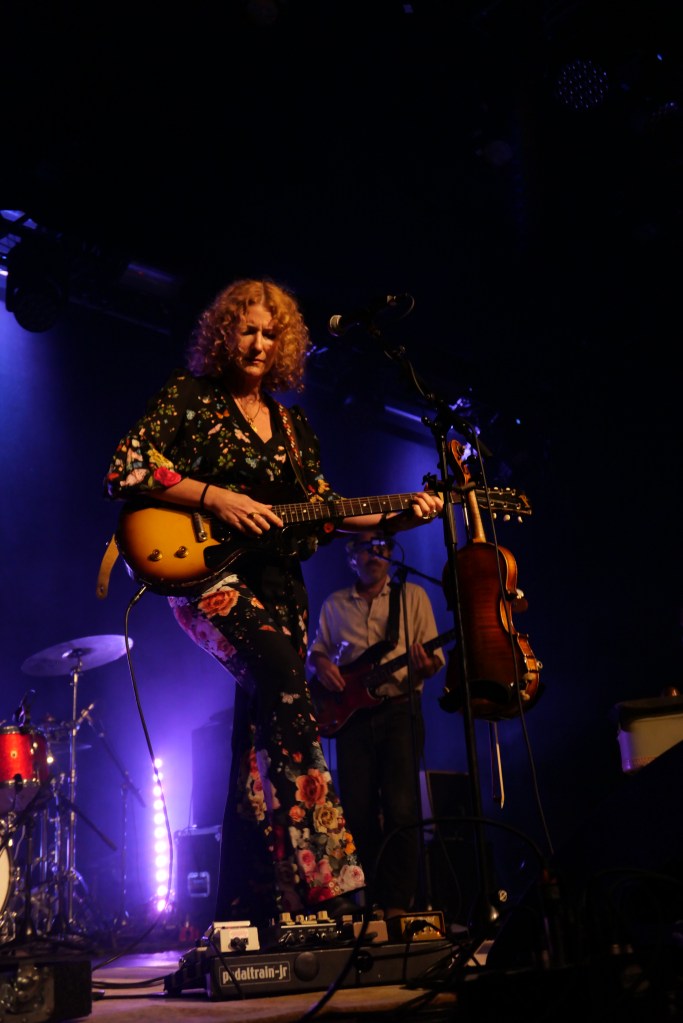
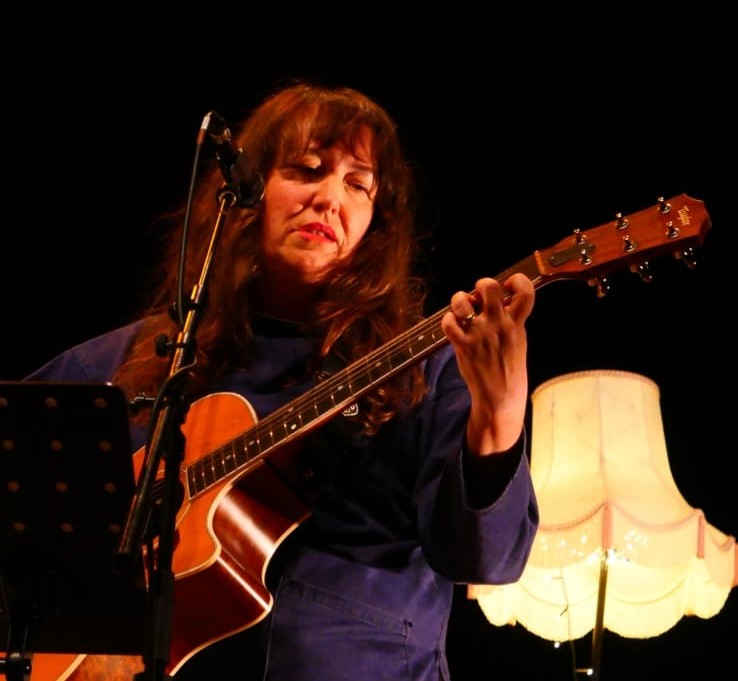
Kathleen Edwards does not remember her previous concert stop off in Halifax with much warmth. Such is the feelgood happiness in the room tonight though, she is prepared to recall the now, thanks to passing time, amusing story for this audience. It was back around 2012 and was easily one of the weirdest weeks of her life. It turns out that before the show Kathleen had got stung by a wasp and all hell broke loose. The singer actually ended up in ER with a full body issue. “The stocks of camomile lotion rocketed that week because of me,” she jokes. By the time they all got to Halifax for the gig she was so messed up by the mix of Benadryl and steroids, due to the reaction to the sting, that the punch-drunk performer ripped her guitar off in the middle of the show and somehow managed to smash herself in the head. This resulted in a goose egg and a concussion which stayed with the stricken songwriter for the remainder of that tour.
The anecdote is arguably a good metaphor for the way the life of a working musician was beating Kathleen around at the time, leaving its scars and taking its toll. She sings as much in tonight’s wistful rendition of ‘Glenfern,’ extended to incorporate a heartfelt hello to the large audience, but this is a bad indictment on the modern-day mess of her industry that it preceded a period when Edwards walked away from music altogether to go and run a coffee shop. In my opinion, an artist of her calibre and repute should have been appropriately rewarded for her work, enjoying protection from the pressures and stresses of simply maintaining a career and carrying on. That struggle does permeate the music she has produced since stepping back into the ring with 2020’s ‘Total Freedom.’ Launching ‘Save Your Soul’ from last years ‘Billionaire’ album, there is more than a hint of foreboding at those going after fools’ gold with its cautionary refrain “who’s gonna save your soul when your money’s no good?” From the same album we are treated to ‘Say Goodbye, Tell No One’ – already one of the all-time great turning away songs – as the sight and sound of Kathleen brandishing an electric guitar in a full band show and nailing every number feels like a real privilege. Acts this good should be packing out stadiums (regrettably acts nowhere near as classy as this frequently do fill stadiums) and yet here we are in a cool Canadian arts theatre with a singer songwriter in the classic Tom Petty, Lucinda Williams mould taking full advantage of a deep, rich back catalogue and appearing to be as elevated by the experience as we are.
It does feel like all in attendance have chanced upon the secret place where the good stuff is happening. Earlier in the day we had wandered the streets of Halifax, soaking up a city that was absolutely heaving with holiday weekend entertainment from buskers to amusements then later fireworks that sounded like a war zone. Kathleen tells us she had checked out the local area too, enjoying her dream breakfast at ‘Steve-O-Reno’s’ and inviting the owner, who registers her presence with a shout out, to the gig tonight. It is a nice, empathetic touch from someone who put heart and soul into running her own coffee business and the song she dedicates to her guest, ‘Asking For Flowers,’ is a similarly switched on lament. The country ballad template of the tune allows space for the key line to really register. “Asking for flowers is like asking you to be nice” hits so hard because it feels like it is sourced from a real place, a low hanging piece of raw emotion that had to be picked. Her impressive range too is illustrated when playing a violin solo on the brooding ‘Goodnight California’, but such is Kathleen’s connection to this line up, she is happy to let the number fully hit the heights with the entire bands combined energy and telepathy, especially the Crazy Horse-like guitar soloing.
This band can rock out with force as well, the delicious riffing on last years ‘When The Truth Comes Out’ earning guitarist Gordon Tough a shout out and when reaching back to some of the oldest tunes in her catalogue, like on ‘Back To Me,’ the same stimulating energy pumps us into the present moment, showing how the craft in Kathleen’s writing has been of a higher stripe right from the outset. She is in a real sharing mood tonight too, we learn, for example, that the seed of ‘Little Red Ranger’ was Kathleen trying to manifest a vision of the song she can imagine singing when finally treading the boards at Massey Hall, but most tellingly the generosity is evident between the players on stage as scintillating keyboard and pedal steel solos own their place in the spotlight. Pounding keys provide the pulse of momentum as the set peaks through ‘Change The Sheets’ followed by ‘Six O’Clock News’ which mines the electric wild mercury sound, forever hot currency when tapped into like this. To finish things off the encore is the decisive one-two punch of early classic ‘Mercury’ followed by a lilting cover of Neil Young’s ‘Powderfinger,’ the extended soloing of which only served to underline the quality in the playing of the whole group. This was just one of those rare nights when everything, from performer to group to location to sound to feeling to response, came together so incredibly well. Memorable.
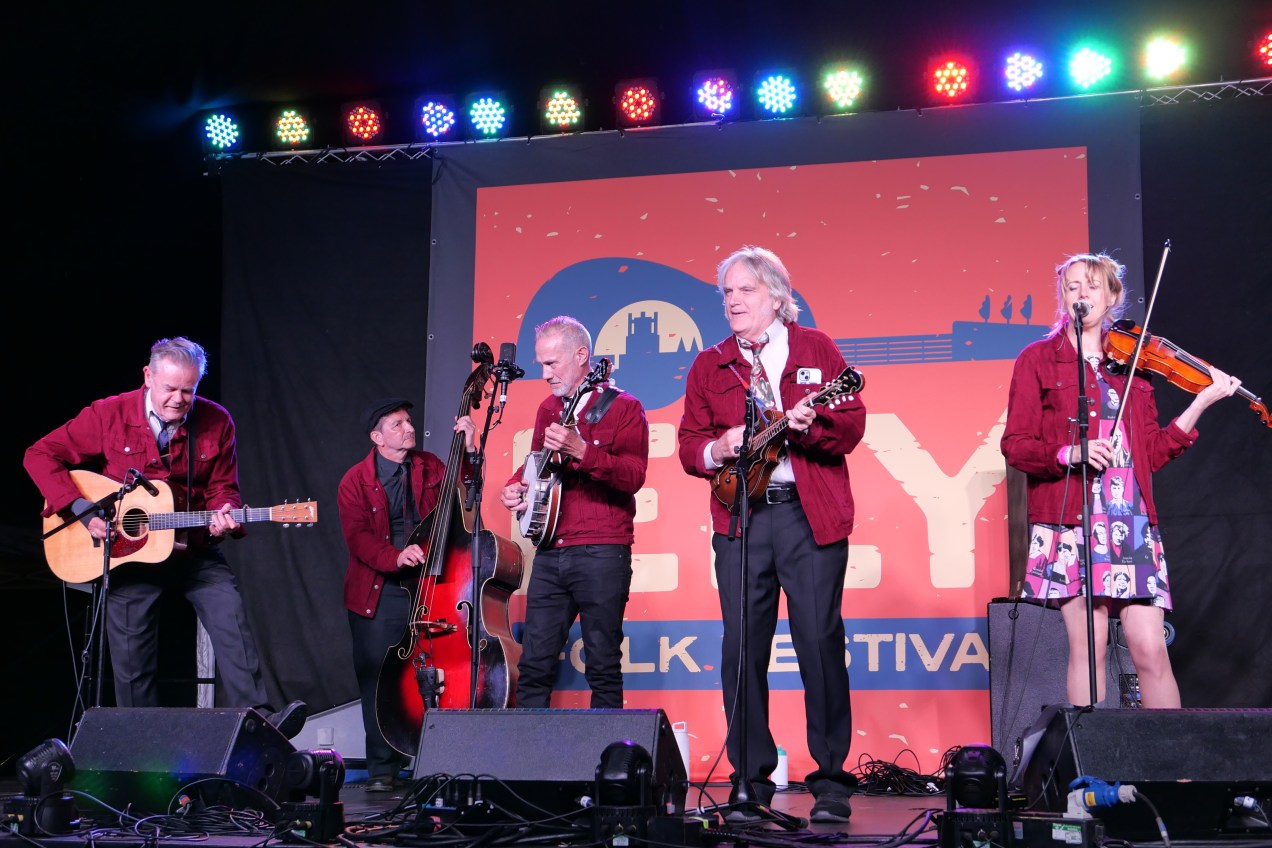
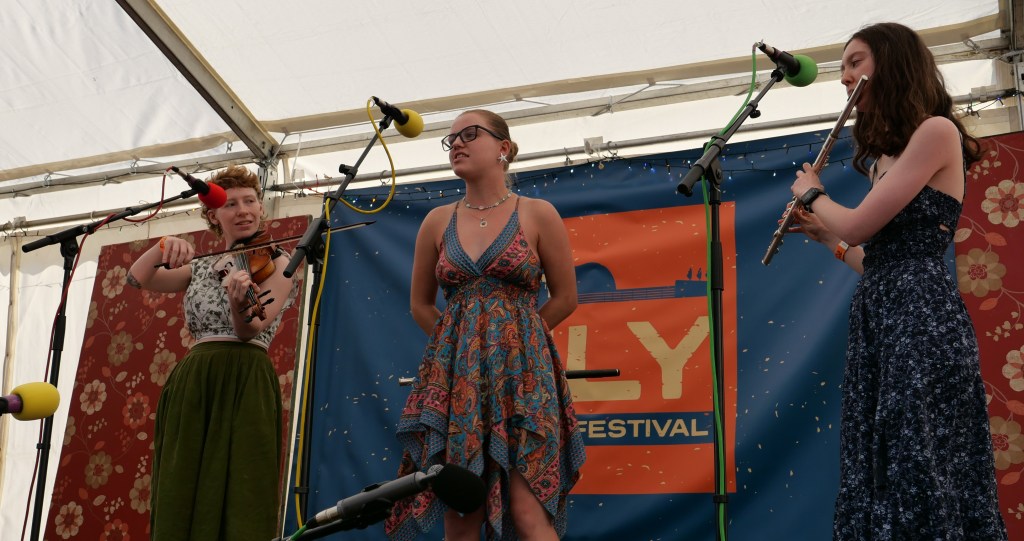
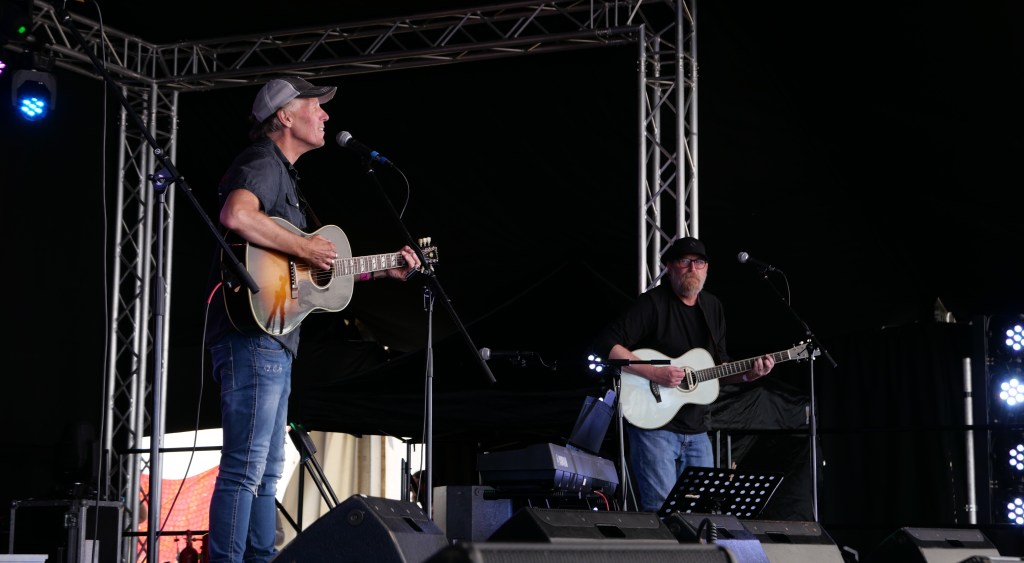
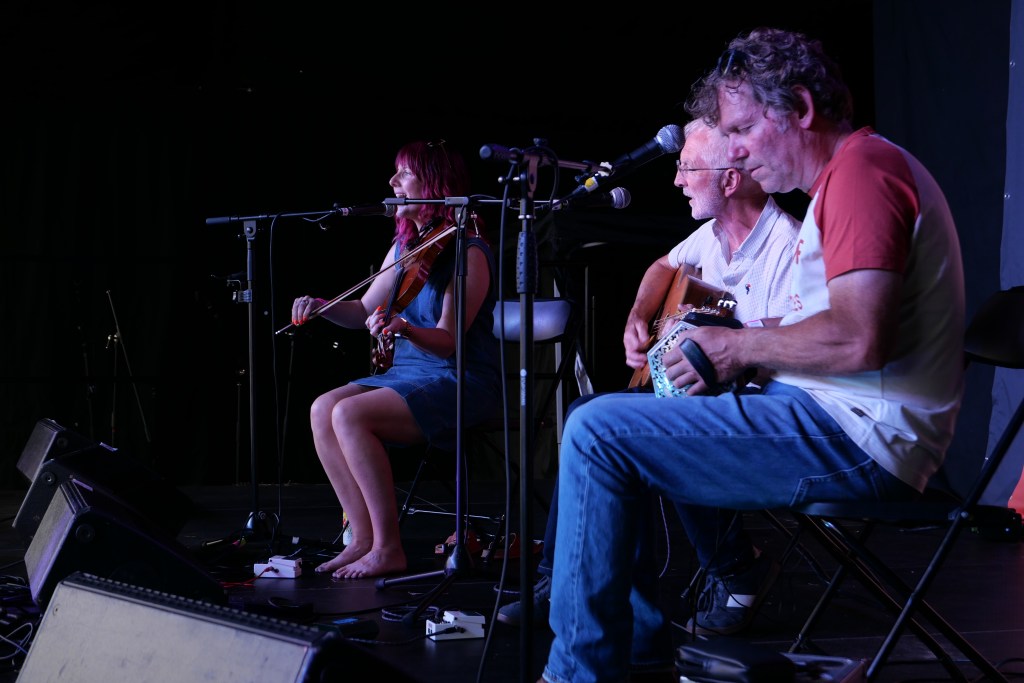
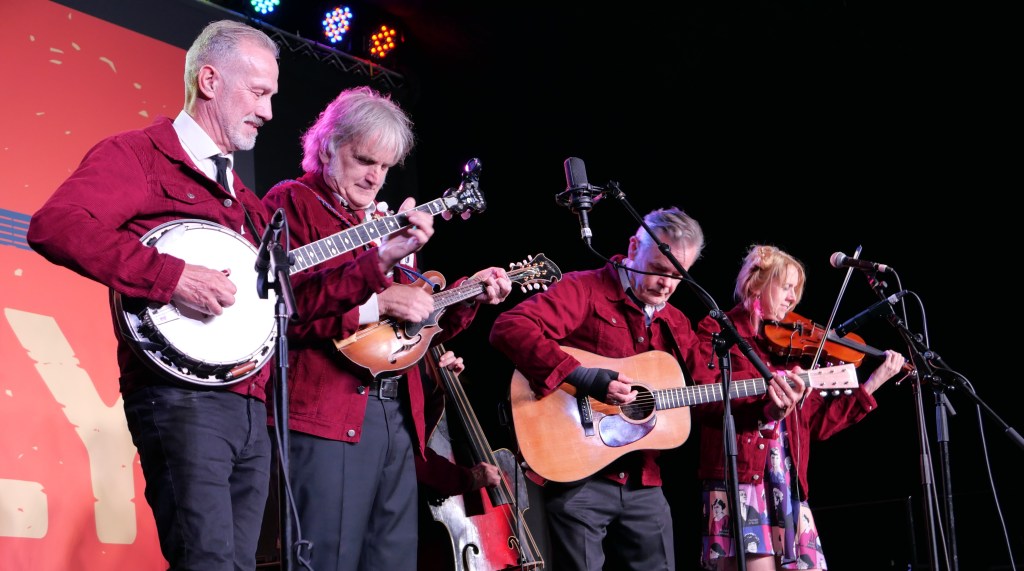
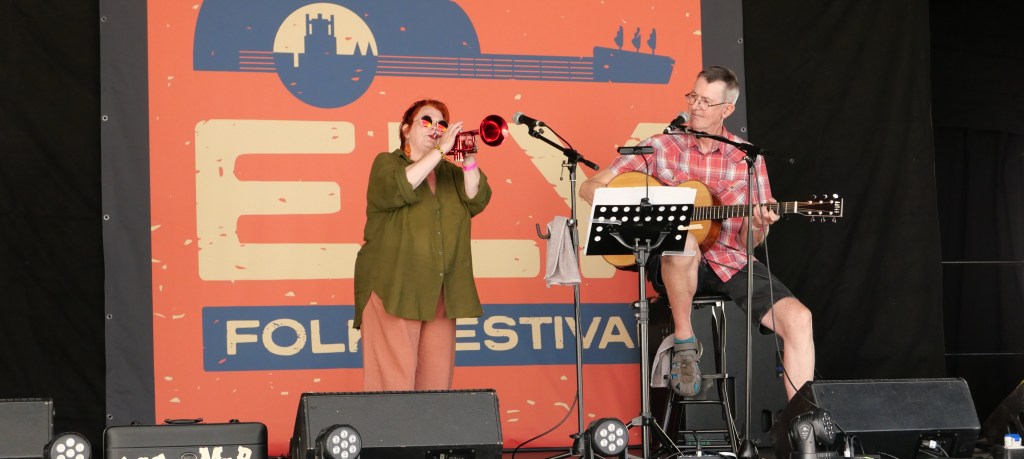
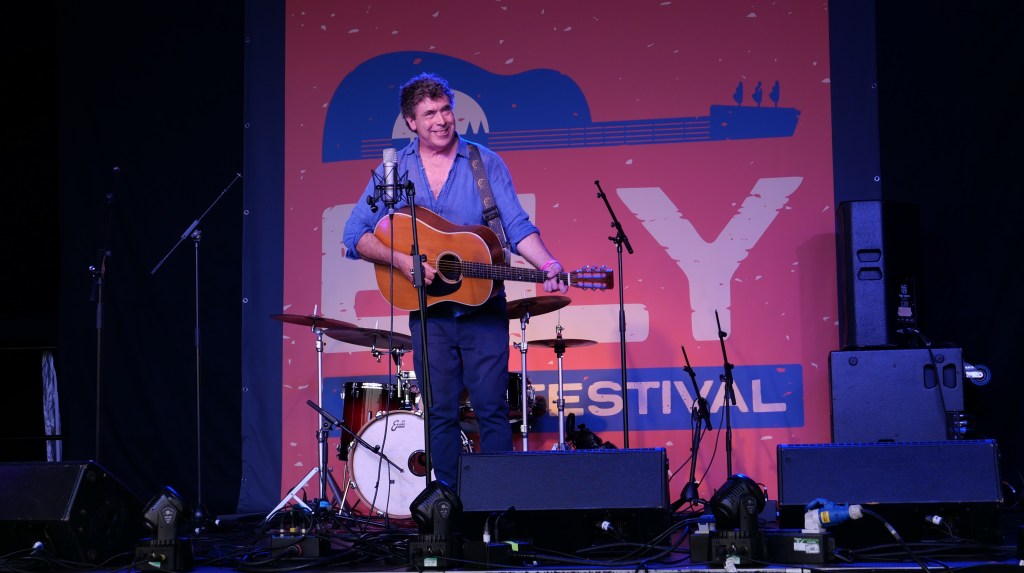
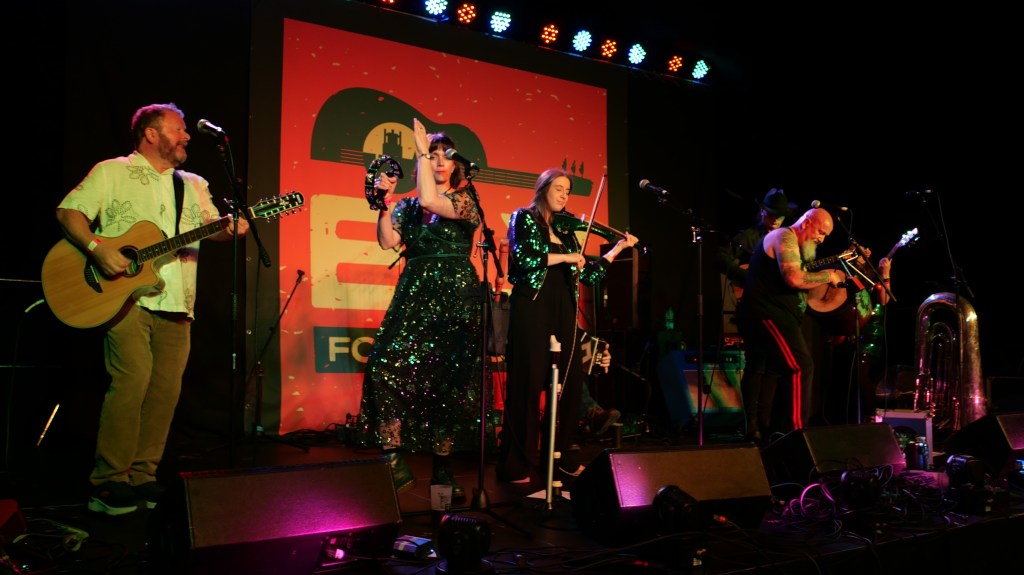
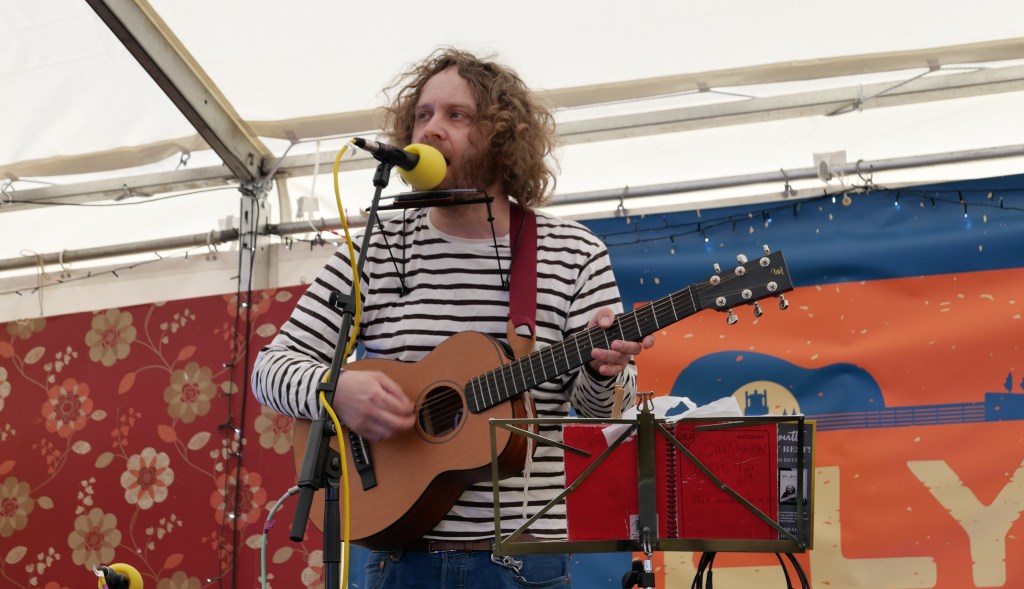
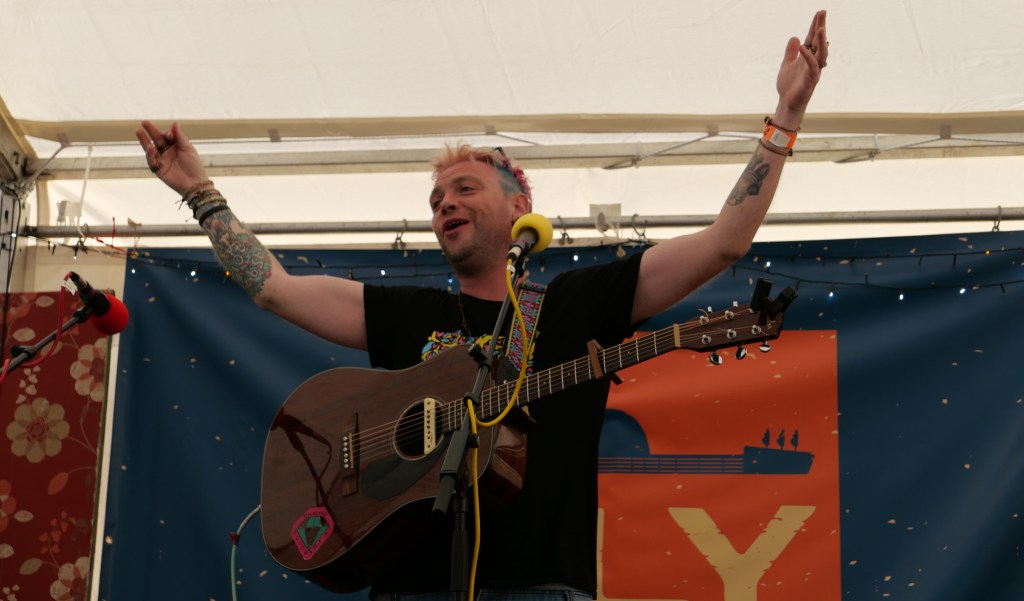
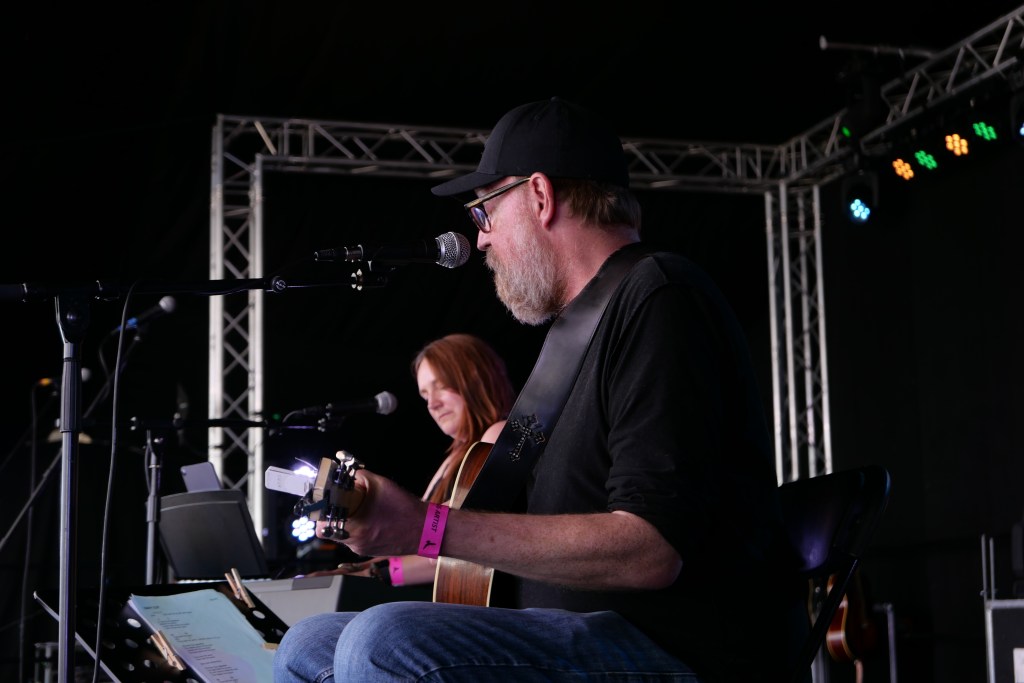
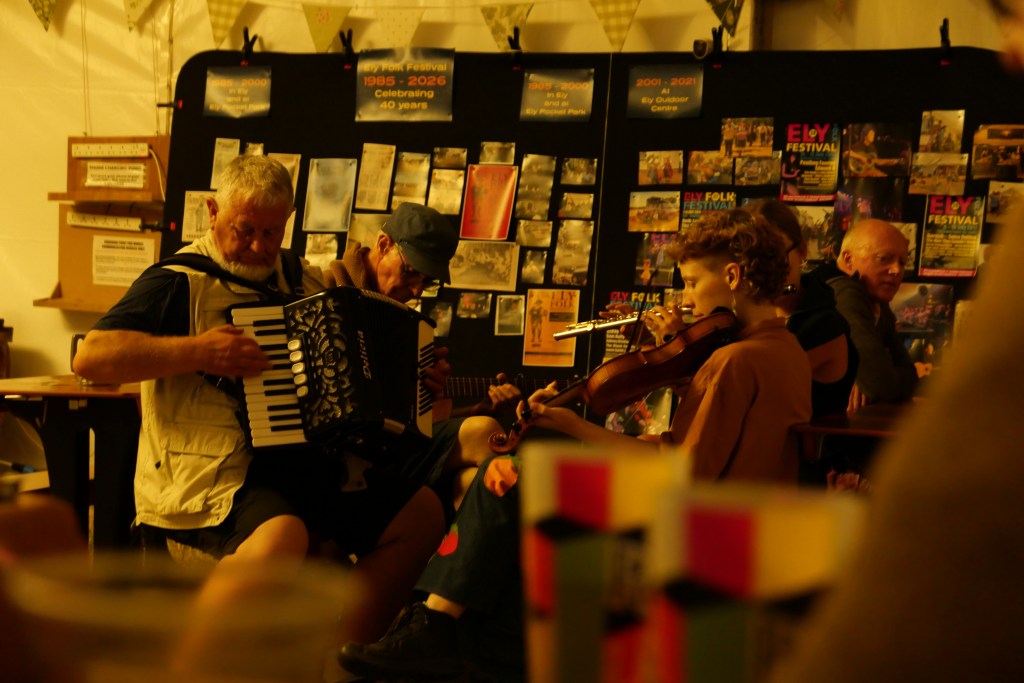
This is not your average festival, not by a long stretch, which is why having tasted the thrill and ambience of Ely Folk Festival for the first time last year I have returned for more. And the mood in the summer heatwave air is one of justifiable celebration as this is their 40th festival, having grown considerably since launching as a Friday evening / all day Saturday event back in 1985. Performances were spread across various locations over Ely in those days, the evolution into the one site major festival sprawl we enjoy today across three stages with food and trader stalls, an ale lovers delight of a bar tent and numerous dance and craft activities for both the young and old has happened slowly but surely. There are also Morris Dance Sides who converge on Ely from far and wide participating in on site performances as well as a Saturday procession through the heart of the city centre. It all feeds into a multifaceted cultural feast of a festival that can quite justifiably claim to be a pivotal cornerstone of the summer roots circuit, particularly for folk who like their music without hype or egotistical showboating, played by committed craftspeople amidst an atmosphere encouraging participation. And it is not all just about acoustic music, there is plenty of rock ‘n’ roll punch, beats and rhythm to be heard in this simmering melting pot of songs and reels.
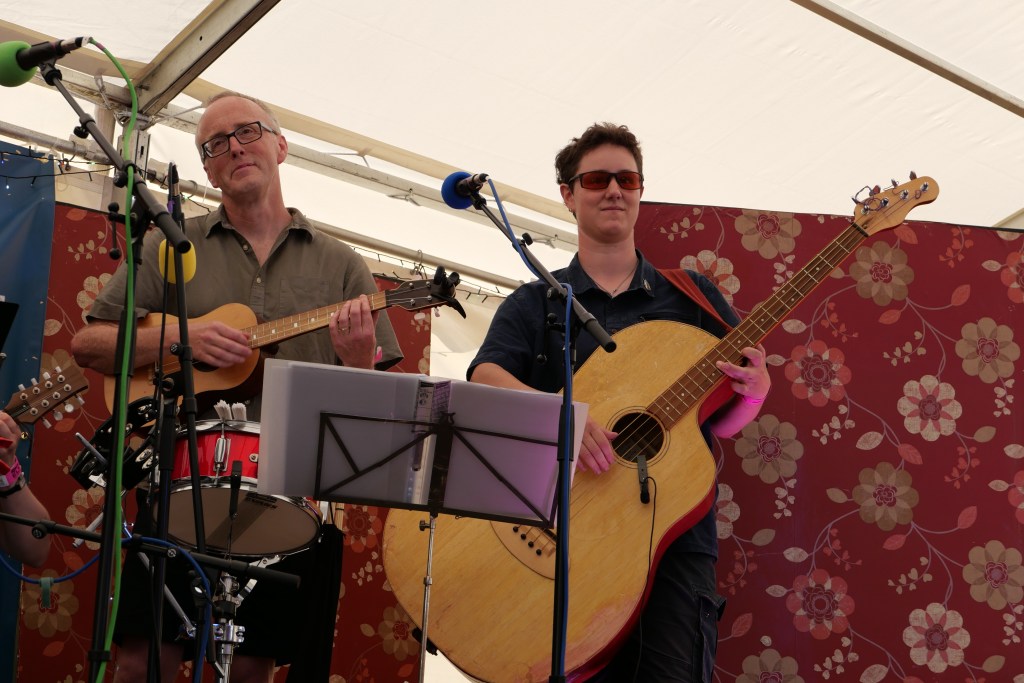
That said, the acoustic performers did see plenty of action this year and there were some unexpected opportunities for them to shine. On two occasions at the Nightingale stage, the tent with more of a club atmosphere and lay out, there were power cuts during sets. Now if this happened to many acts in other genres, it would bring proceedings crashing to an immediate halt as laptops cut out and various other audio enhancements disappear. This is emphatically not the case with a folk act. In fact, they almost step up even more determinedly with a glint in their eye that says, “I am equipped to overcome this situation.” I never did find out exactly what was going on with the power cuts, the rumour was there might have been an issue with a generator packing up in the oppressive heatwave sun, but it really did not matter. During the Nightingale Competition on Saturday evening (a great little competitive festival feature, fifteen acts singing up for two songs each, a judge selected winner opens the main stage on Sunday evening) the superb Chad Mason lost the power with a dramatic bang mid song and yet he hardly blinked before stating “I’ll just keep going.” Very good he was too, reminded me of a young Al Stewart which is no bad thing. Arguably though it was String Onion who had an even more challenging power outage on the Friday. Their set was basically the opening act for the whole weekend, but when they lost amplification, this self-effacing string collective, with some finely crafted songs of their own among the covers, just stepped back from the microphones and sang louder. That said, the player of the giant hand-crafted (by her Dad, also in the band) acoustic bass did hilariously make herself corpse by leaning into a microphone then remembering too late that it was out of service.
Members of String Onion and their incredible acoustic bass
Over on the opening night Kingfisher Stage, site power restored, Joe And Mary were plugging into the natural energy of old-time country and acoustic blues of the early twentieth century. The guitar playing was of a high stripe with songs igniting thanks to the easy comedic rapport of the couple. In a song about disagreement they are, ironically, delightfully tuned in to each other but they go deep too with a couple of heavy hitting emotional song punches. Next up Old Man Boom is a banjo playing purveyor of murder ballads and songs that explore the darker, gothic and macabre side of folk (or maybe foke is more apt) with a seasoning of wit and charm; the laughs he generated with a golden kazoo a good example of his natural verve. Stand outs were many, especially ‘The Man Who Couldn’t Die,’ but the set hit a real pitch with songs from a new EP promised to be “out soon, don’t ask me for a date, I don’t know.” Still, any act that can end with a rousing sing-along asking the question “do you want to join my cult?” to an audience unreservedly answering “yes” despite the most dubious enrolment promises, is alright by me.
Old Man Boom delivering some golden kazoo virtuosity
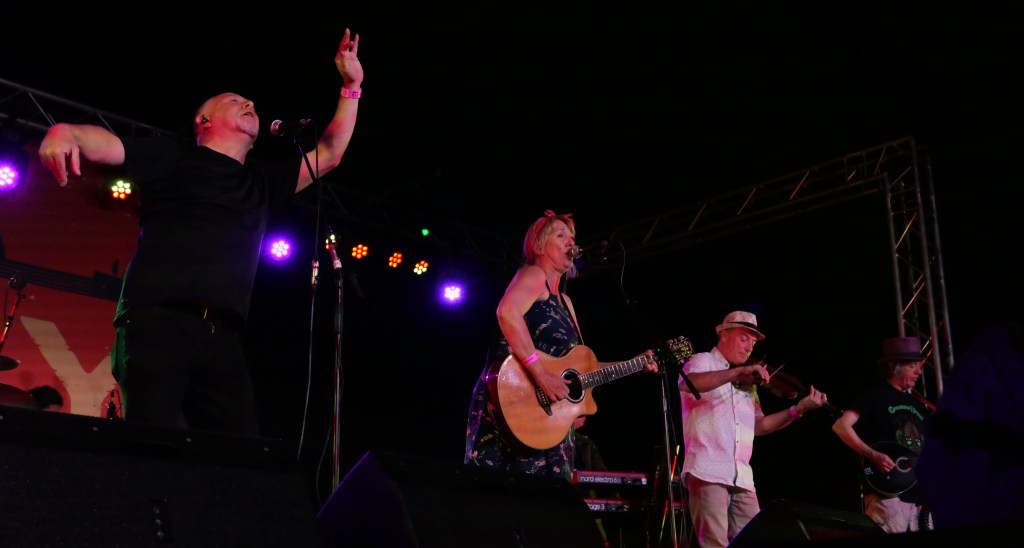
As always at any festival with three stages offering a constant rollover of acts worth hearing, there are periods when it is simply not possible to see everything you might enjoy. I am always attracted towards the spontaneous potential of an open stage, which was happening in the Nightingale, but did not want to miss the Merry Hell headlining the main stage. I am just going to have to live with whatever I missed because seeing the whole of this bands set was absolutely one of the best choices I made all weekend. The folk scene has had many great rabble rousers peddling a gypsy, punk spirit of spiralling electric fiddles, rolling thunder guitar and drums, pounding out songs of community, society, life, love, laughter and connection. I am of course thinking of bands like The Pogues, The Waterboys, The Levellers and Oysterband but I must have taken my eye off the ball because, as much as I have previously enthused over their albums, I had not reckoned with how spectacularly The Merry Hell have grabbed this space by the earholes and made it their own. If their fully loaded arsenal of brilliant songs like ‘Loving The Skin You’re In’ and ‘Bury Me Naked’ were not enough, they are a loveable bunch of muckers to boot. At one point lead singer Andrew Kettle points to his top hat wearing, mandolin playing brother Bob and says, “look at that, AI could never make that!” I was happy enough before I saw this band, I was positively delirious afterwards. If they are playing at a festival or in a town near you, I urge people to go and see them. If you do not like them, I will give you your money back, only I won’t because if you tried to tell me they were no good I wouldn’t believe you. Wow, what an opening night.
Raising some Friday night Merry Hell
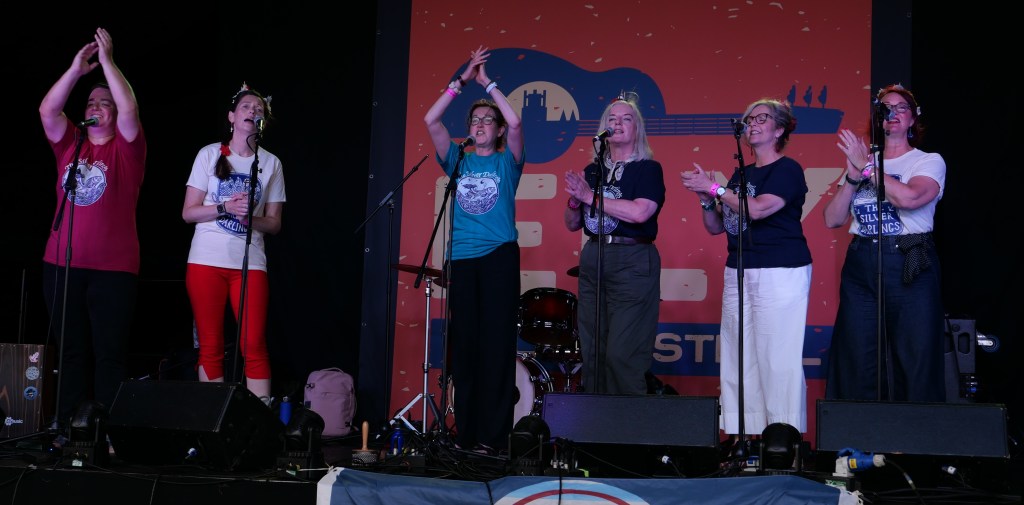
My Saturday kicked off with Sailor Swift, an acoustic guitar toting artist formerly known as Pete Morton, who set the tone for an eclectic day in a set that fused storytelling, talking blues and comedy. He ended with a story of George Formby writing a song in the 1940s but subsequently losing the scrap of paper so that some opportunists decades later would claim the song as their own. So, we get to hear how the original George Formby version of ‘Bohemian Rhapsody’ should have sounded. Something like “just killed a man, put a gun against his head, pulled the trigger now he’s dead. Whoops!” I have seen comedy clubs with far less people doubled up in stitches for sure. I remained at the Kingfisher stage for a six piece all female sea shanty crew from Southend. They have been around for eight years and used to believe women were not allowed to sing sea shanties, likening it to being on a boat and the skipper saying, “you don’t want a witch in your cod end.” But they are here today to prove that women can get their shanty on and they do just that, covering material that ranges from punk shanty covers of New York to traditional Isle Of Wight fare. Admittedly, the Silver Darlings deliver their shanties with a wink that summons the ghosts of the Queen Vic and the unmistakable echo of Beverley from ‘Abigail’s Party’ holding court over the vol‑au‑vents, but behind the tongue‑in‑cheek Essex theatrics, they lock into harmonies with a precision that would make any folk purist sit up straight. Their down‑to‑earth banter only sweetens the deal, turning them into the kind of outfit you are delighted to be won over by.
Silver Darlings bring Essex sparkle and shanties to Ely
Over on the main stage Gerry Colvin, one of Ely Folk Festival’s most beloved past performers, is charming his audience every bit as much. His is a masterclass in country-tinged songwriter craft and I have to mention one of the funniest song introductions I heard all weekend from Gerry. Affectionately announcing a song about his late Father, he said “I know wherever he is now he is looking down on us.” A perfectly timed pause follows before, “he’s not dead, he’s just very condescending.” Later in the day, on that same stage, the warm summer sun is gently cooled by the soothing guitar, mandolin, fiddle and banjo stitchwork of The Shackleton Trio, who weave East Anglia‑rooted tales into a sound world that nods knowingly to both US and UK folk traditions. Soon though the lure of the Nightingale Competition was too strong to resist. Fair play to the eventual winner Rafe Barnett whose historically informed stories were a proper throwback to the days when folk song was a potent educational tool. I must give a little shout out to three other acts who left an impression on me. Gerd Wagner (who I also rated in 2025) and his classically elegant guitar playing is a true class act whilst my standout fire starter from last year, Douglas Smallbone, returned to detonate more raw intensity (if he could find a similar situation at a heavy rock / punk festival he might just walk away with the top spot) and then there were Folk Shop. Talented young acts like this give me hope that the folk tradition is in good hands, especially after repeatedly witnessing their core members George and Heather jamming, sitting in and generally just bathing in the pure pleasure of playing for the entire weekend. Honestly, I lost count of the times I heard them, they played on stages, in the bar, cross legged on the floor in the outdoor seated areas, they would probably have jammed at the Portaloo’s if they thought the queues would welcome some accompaniment.
Just one of the many Folk Shop members sightings
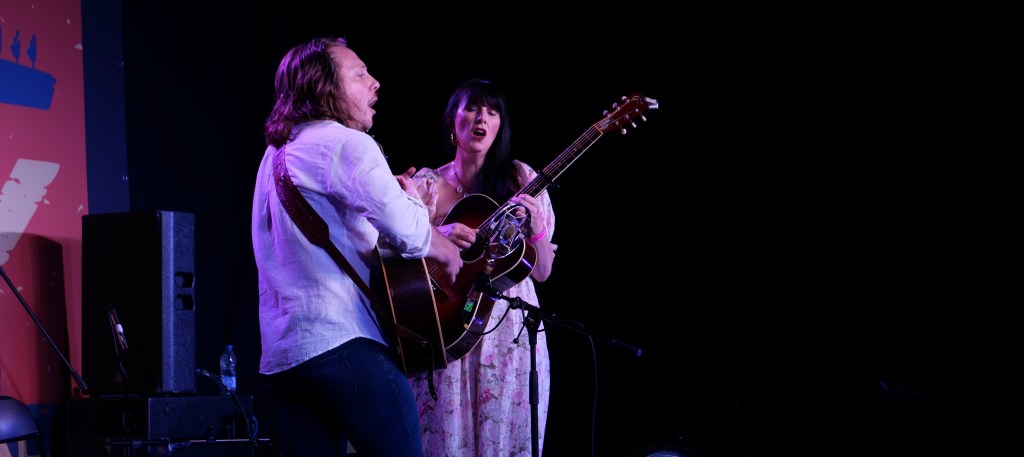
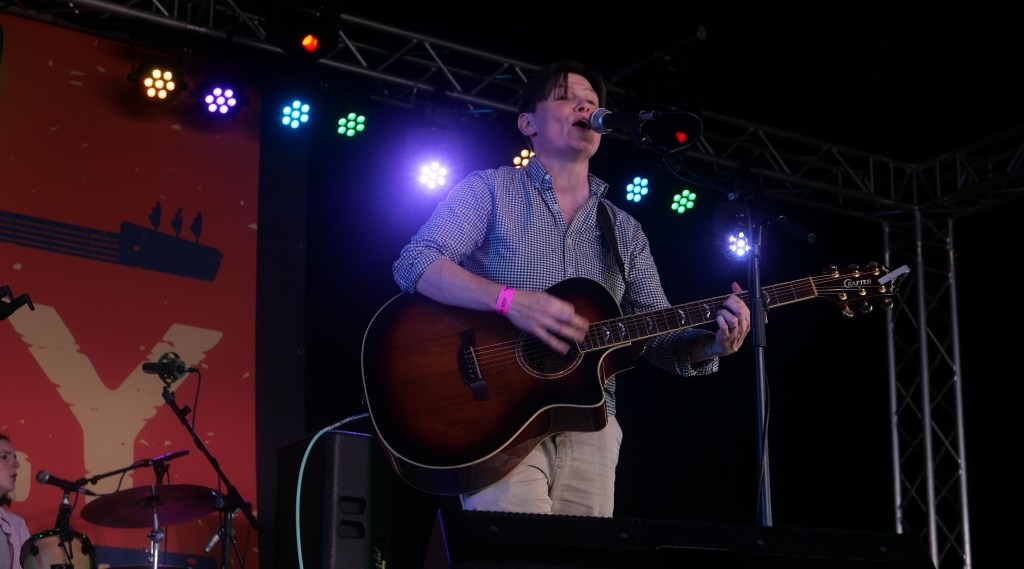
These quickfire stints in the club environment set me up nicely for an evening where some proper Saturday night festival fireworks are let off. First up Grace Petrie had a tank full of protest punk energy, establishing her queer icon credentials in a performance that felt quite cathartic. It was hard not to be moved by personal stories of identity and the struggle to feel comfortable in her own skin but the patriarchy baiting battle cry of ‘Black Tie’ left this vocally responsive audience certain she must be in a good place now. Next, I headed over to the Kingfisher stage because Hannah Sanders and Ben Savage were stirring a mesmerising brew of their own. I had not seen them previously and the festival programme describes one of the countries leading folk duos; it is always a treat to investigate something like this yourself and discover exactly why they are so well regarded. The pair are fascinating because the sound is vintage, as is their positioning around a central microphone, but there is something improbably contemporary about them too which is hard to place. Their combination of voices sound older than the bodies they are transmitting from, so perhaps the present-day element is simply that they channel such pure emotive feeling that it tramples over any older sonic references. Either way, they are like health food for the ears in the same way that the following Greenman Rising inspire a workout for the feet. Saturday night is always alright for dancing at a festival, after all you can crash out for ten hours at the campsite and recover through Sunday morning if required, and this does indeed prove to be the right band for getting people out of their seats for a heartily raucous bit of folksy crash, bang and wallop.
Hannah Sanders and Ben Savage busy stirring their mesmerising brew
Sunday is warmly ushered in with a long feature on the main stage called the Festivals Patrons Concert. The primary content is a couple of headline worthy sets, firstly from Cambridge based leading light of the roots, acoustic scene Brooks Williams followed by the formerly of this parish but now Glasgow based Boo Hewerdine. Brooks carries himself with the assuredness and musical authenticity of a genuine americana legend with the tunes and swagger to back it up, before Boo plays an equally winning card in performing songs from recent concept album ‘Things Found In Books.’ The record was made with Yvonne Lyon, joining Boo today too on keys and shared vocals. Despite the top-notch support this does end up being very much Hewerdine’s show, for all his terminally bemused stage demeanour. He plays the deadpan card well for laughs with stories about idiotic ancestors and meeting Paul McCartney before later reminding us there is a genuine hit to his name with ‘Patience Of Angels.’ The highlight though was a brace of momentous rhythm and blues style numbers played with Brooks to close the set (‘The Man With The Hammer’ and ‘Sweet Honey In The Rock’) reviving their State Of The Union collaboration. Boo’s closing ‘What A Wonderful World’ was beautiful enough to bring a lump to the throat, its simple optimism standing in stark contrast to the horrors filling the news each day.
Brooks Williams and Boo Hewerdine revive their State Of The Union
Over at the Kingfisher stage I was thrilled to catch Sherburn Bartley Sanders, especially as I had already missed a couple of earlier opportunities over the weekend. They are easily some of the best traditional folk purveyors you will encounter at a festival, Denny on guitar and vocals has the aura of a seasoned singer songwriter veteran, leading the band through deep Dylan cuts and popular twentieth century acoustic standards like ‘The Auld Triangle’ while Emily’s fiddle and vocals sweeten the deal so delightfully. Their not-so-secret secret weapon though is Chris on concertina, a man who cannot help but disarm an audience with his ever-present mischievous smirk and spontaneous audience interaction. He even got into a little back and forth going with the Fruit Tree photographer and I, riffing on the notion that we had fallen out. It is actually a very effective tactic, loosen the crowd up with comedy and then hit them between the ears with some of the greatest acoustic sounds of their lives. One of those groups that you make a mental note to definitely go and see should they play locally again. You wouldn’t want to travel to see them though (joke!)
The extremely photogenic Sherburn Bartley Sanders
Over on the main stage Alistair Russell and Chris Parkinson, both with storied CV’s that include long term participations in Battlefield Band and The House Band, among many others, cover the arena in hazy Sunday evening ambience playing Irish and Scottish music with an inclusive charm and particularly strong musicianship. I was glad to have this battery saving time because the night, and indeed the whole festival, was gearing up for an explosive finale over at the Kingfisher. The Coal Porters have been the most blistering bluegrass act on the scene throughout this century, but they called it a day in 2018. However, the five piece still get together for occasional live appearances; legendary musicologist, band leader and all-round font Sid Griffin spared some time to speak to Fruit Tree Records (full length interview to follow soon). “Everyone was asked if they wanted to accept the Ely Folk Fest offer and everyone seemed into it” he explained. As far as more permanent Coal Porters action goes, he reminds me that “seventeen years we went at it pretty hard” but does promise “there is a ‘Best Of The Coal Porters’ coming out next year with a live album attached, so we will be doing some dates to promote that release.” For tonight though we settle happily into the rush of a bluegrass act that rock the room with impressively eclectic material ranging from their own ‘The Day The Last Ramone Died’ alongside Paul Weller’s ‘Walls Come Tumbling Down’ and a gloriously swinging good-time romp through Chuck Berry’s ‘You Never Can Tell.’ Their message is emphatically that this music is good for you, but I would expand that statement to shout Ely Folk Festival is good for you and works wonders for the soul. Just as I concluded last year so it is once again, I cannot wait to return.
Words: Danny Neill Photos: Sophie Reichert
The Coal Porters prove the bluegrass groove Joe And Mary in perfect agreementTurned out nice again as Sailor Swift channels the ghost of George FormbyGreenman Rising land on the Saturday night Kingfisher stage with a bang Chad Mason moments before going ‘unplugged’Douglas Smallbone receiving approval for his unique mix of folk-punk edginess and honest charmGrace Petrie bringing a similar grain of emotive energy to the main stageBoo Hewerdine and Yvonne Lyon play songs from their album ‘Things Found In Books’One of numerous sightings of young Folk Shop members, George and Heather (partially obscured) jamming with other attendees, here in the beer tent late Friday night
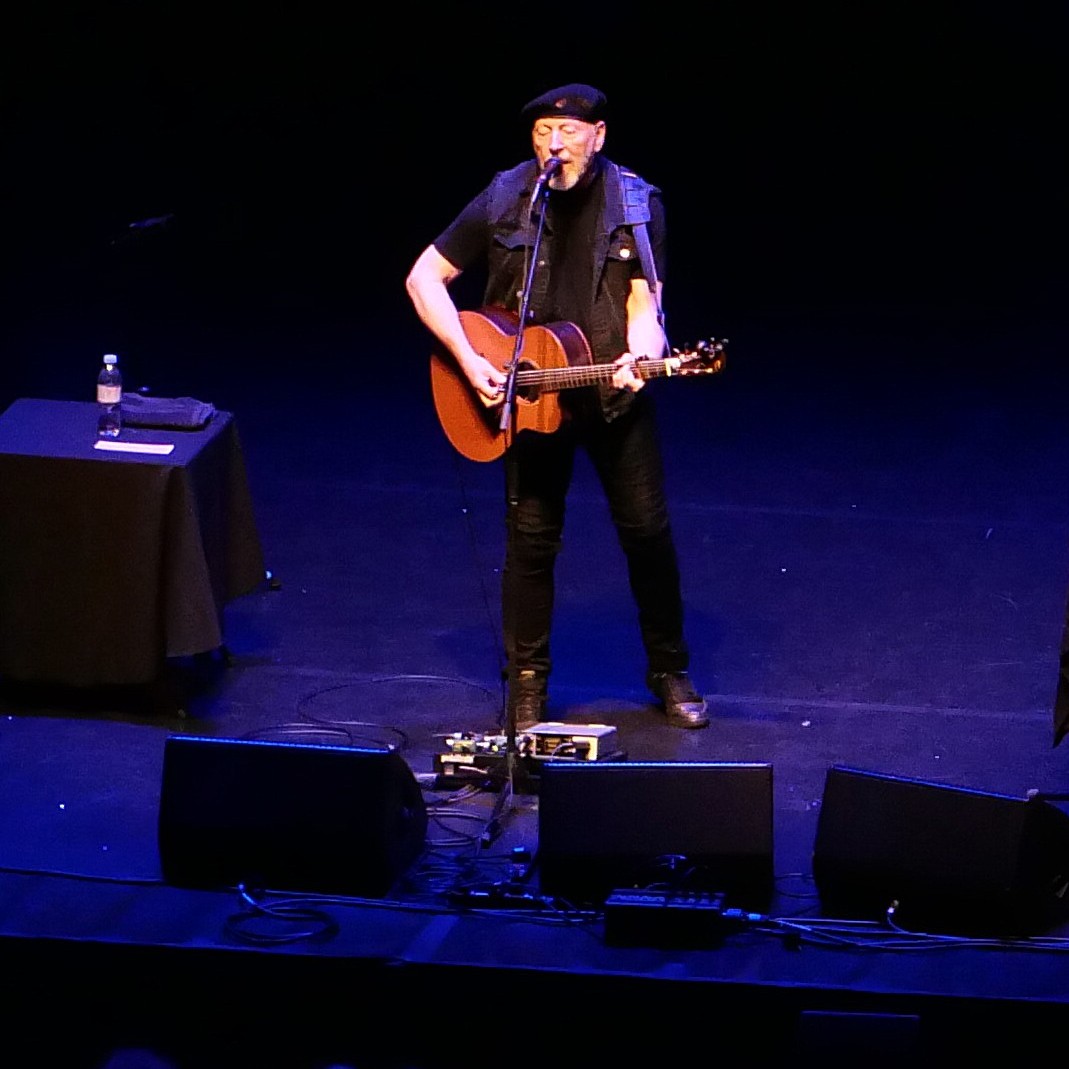
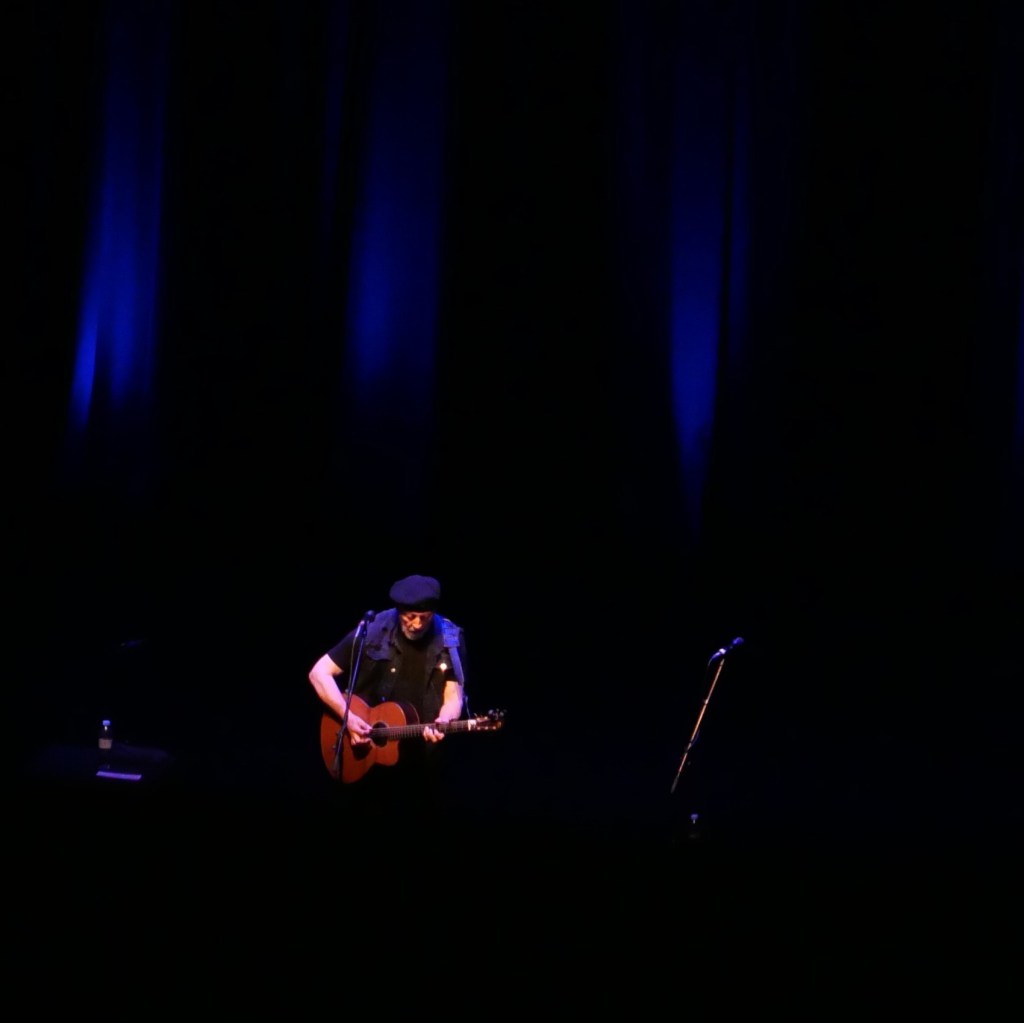
I have seen Richard Thompson live more times than I can remember over the past three decades, but this is the first time he has ever considered performing a strip. Not, I should add, because he has hit a fork in the road and is exploring other tactics to bag attention, but rather because we find ourselves in the middle of a record-breaking British heatwave and there is not a single soul in this packed, elegant and acoustically superb theatre who have not got their mind on staying hydrated. For Richard, other than reaching for a towel between every song, this hot tub is bringing the extra challenge of needing to extensively tune his acoustic guitar ahead of each song. Again, I have seen him play a multitude of times (because Richard is always worth catching) and he normally conducts the tuning up in a way that the audience barely notice, simultaneously indulging in that endearingly diffident dialogue of his, but those strings do not like the heat too much and tonight it adds a layer of jeopardy. Richard rarely looks anything other than in absolute control but at one point, when his partner Zara Phillips had joined him onstage for some vocal harmonising, he throws his arms out wide with a look that says, “I’m just going to have to plough on through.” Which indeed he does and ultimately, the performer, situation and audience all come together and connect in a kind of musical defiance that, for a couple of hours at least, has us all forgetting how hot we are. And no, he did not resort to stripping, despite at one time suggesting, “it might have to be the trousers first.”
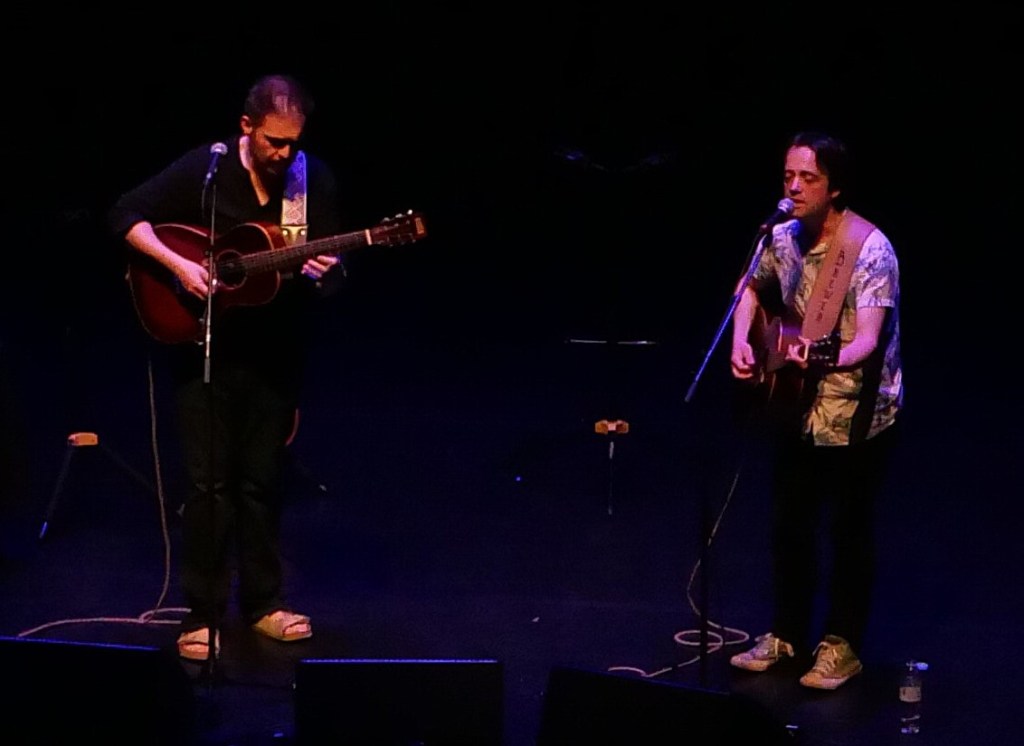
Smith & Brewer
The same intensity was also burning down on opening duo, Smith and Brewer. They are a perfect choice to share a bill with Richard Thompson, both can weave some intricate threads out of their guitars, their styles subtly different enough for one to be counterbalancing the other, a most pleasing blend. In terms of style, there are appealing Everly Brothers tones to both the set up and the influences, but they can play a wide range of inspirational roots from americana to folk and indeed, they could almost have stepped out of a Fairport Convention performance school. Even their appearance has an undeniable feel of Britishness, they look like a classic old comedy double act, Smith more pompous and aspirational and Brewer the hapless, clueless enthusiast. They are a serious proposition though (maybe the heat was making my brain a bit wavy too?) and took the opportunity to tout an impressive arsenal of songs to a crowd suitably aligned to their sound. Which is actually exactly the same thing as Richard Thompson is doing on this current tour. Admittedly he did play a couple of new songs from an album scheduled for release in October, but other than that this is a solo acoustic show where Thompson is playing songs from all corners of a near seven decade recording career. I have to say, I love these kinds of tours because, with a back catalogue like this, you are going to hear some wonderful essentials and a generous number of deep cuts.
Tonight, that repertoire was explored extensively and it struck a balance that surely satisfied both the casual and more obsessive fans of his music. The opening trio of ‘I Misunderstood,’ ‘Saving The Good Stuff For You’ and ‘Valerie’ (before which he joked about being responsible for artists using song titles that already exist) set a standard that was impressively maintained. There were the centrepiece classics long time audience members might expect; timeless folk masterpieces like ‘Beeswing’ and ‘1952 Vincent Black Lightning,’ that accomodate a platform to dazzle with his incredible guitar dexterity. Then lesser championed but no less worthy tunes such as ‘If I Could Live My Life Again’ off the lockdown period ‘Bloody Noses’ EP and ‘Walking The Long Miles Home,’ from 1999’s ‘Mock Tudor’ which I still argue is one of his greatest ever albums. Furthermore, I always delight in spotting a Thompson debutant or two in the crowd, observing them bowled over by that guitar playing then recalling my own similar reaction all those years ago. It is something close to awe as you recognise that unaccompanied, he is playing rhythm, a bass line and lead guitar riffs with just two hands and making it all sound so effortless. After taking a request for ‘Al Bowlly’s In Heaven’ Richard feels the urge to apologise for the absence of a band (“I said nine o’clock Heathrow, this can’t continue”) believing it better suited to this kind of arrangement. As fair as that assessment is, it bypasses what a tour-de-force the song is when played, as tonight, solo. The depressed blues of the post war limbo in the lyric, vividly juxtaposed by the flashes of 1940s swing band sparkle of the background setting, all brought to life by the incredible, colourful signatures and brush strokes of Richard’s fretwork. By the time he hits the desperate “I’m in limbo now” crescendo at the finish, the hairs on my arms are standing up. There is a reason Richard Thompson is regarded, with all too little fanfare, as one of Britain’s greatest performers and it is all there to be witnessed and heard within the quality of his work. Tonight has been a true delight, unspoiled by even a heatwave’s attempt to overcook it.
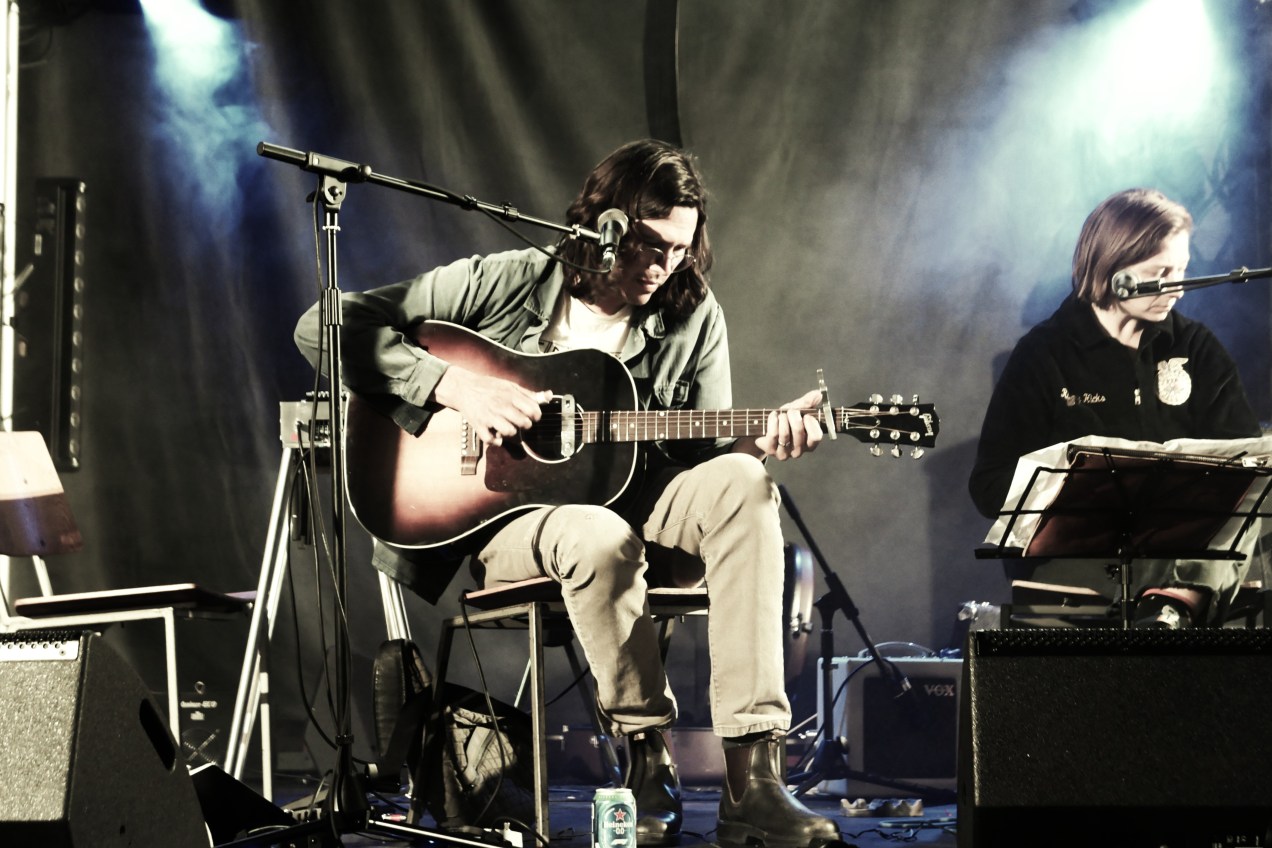
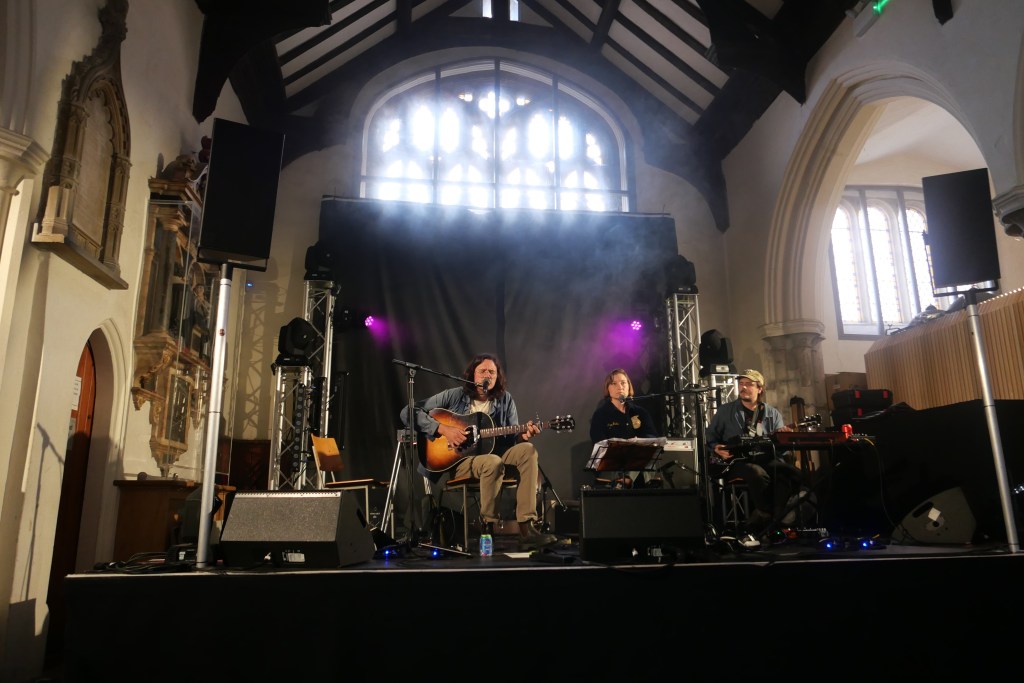
Spencer Cullum has always sounded like a man slightly out of step with the era he has been handed, and today that dislocation feels almost poetic. The British‑born, Nashville‑based songwriter and pedal‑steel conjurer made his latest record, ‘Coin Collection 3,’in the quiet refuge of a garden‑shed studio; an improvised sanctuary from the static and spite that pass for public discourse these days. Out of that retreat came a set of songs steeped in haze and clarity all at once, music that drifts through his mind like weather yet still to contend with the hard edges of the world outside. But on this bank‑holiday Monday in Ipswich, those edges soften. The venue is a modest, yet ornate church tucked into the town‑centre patchwork, glowing as sunlight pours through its aged windows. The audience settles onto wooden benches with a kind of reverent curiosity. And in this pocket of calm, it suddenly feels like Cullum’s meditative, luminous sound has found its ideal habitat. An ancient place, shielded from the modern horrors but with the welcome additions of a bar, vinyl record stall and toilets, and ultimately a perfect space to listen, feel and breathe.
The trilogy of ‘Coin Collection’ albums that have established Spencer’s reputation as a purveyor of delightfully pastoral shades, is said to be concluding with this latest release. They have all featured music that shimmers with the radiance of dawn to dusk electric folk, originally patented around fifty to sixty years back, whilst magically shining with the gloss of a sound that is freshly minted. Their occasionally subdued tones and quiet-storm lightness of touch can underplay a little just how accomplished a musician Spencer is. Anyone who has heard the closing track on an album called ‘Echolalia,’ released last year where Spencer played as part of a loosely formed group, will need no convincing that he has a range way beyond the templates of these three albums. But much like another favourite musician of mine, Richard Thompson, witnessing him in action before your eyes indisputably demonstrates how little he showboats in the recording studio, focusing on the requirements of the music ahead of any self-aggrandisement. He switches between acoustic guitar and pedal steel throughout, also accompanying fellow traveller and Coin Collective cohort, Rich Ruth, in an opening set that casts a real Floydian ambience over the room with its velvety electronic repetitions.
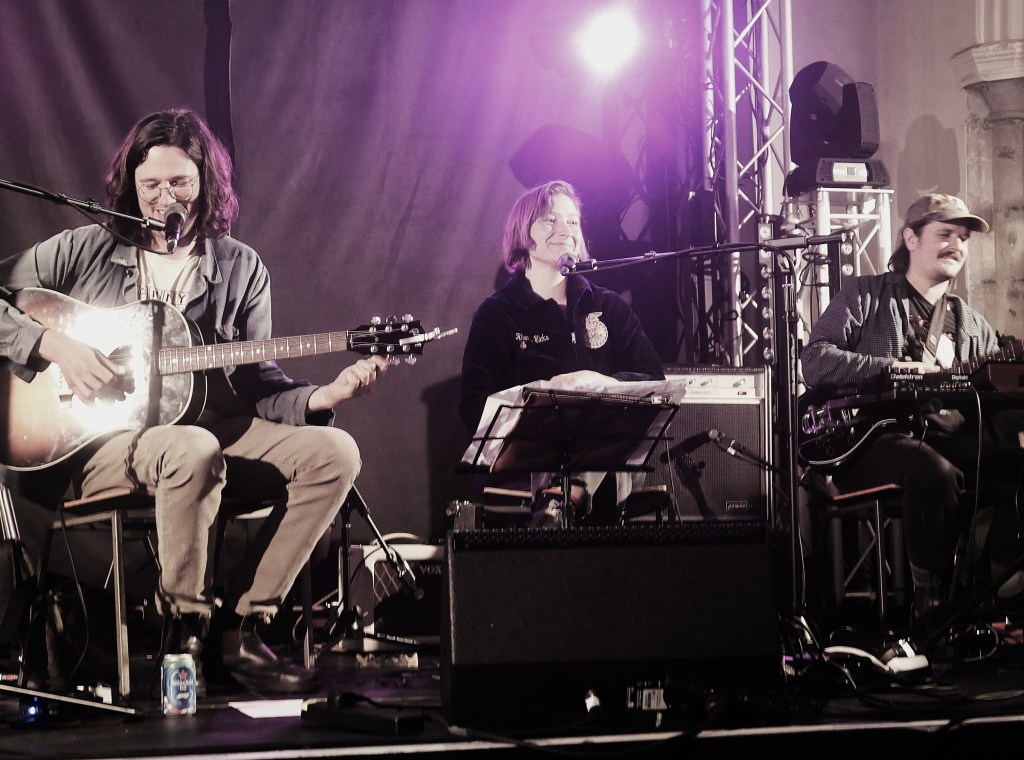
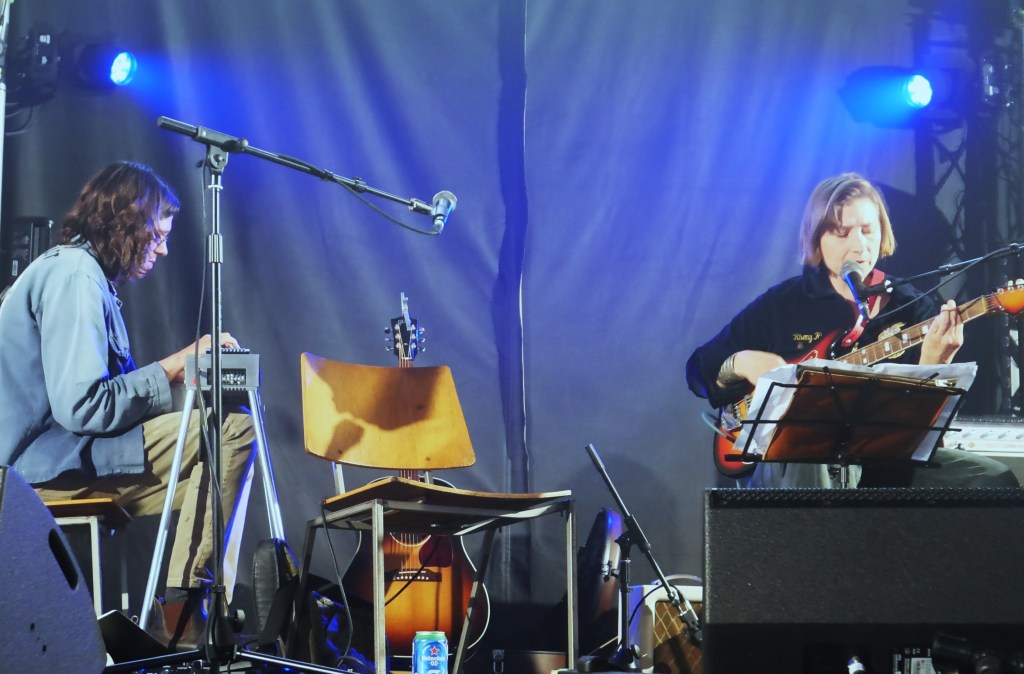
They are playing as a trio on this tour, the line up completed by Annie Williams on divine backing vocals and guitar; later when introducing them Spencer says they are people “I admire and think the world of” but listening to the way they embrace his music, it sounds like a feeling that runs both ways. During a cooly collected version of ‘Imminent Shadow,’ from the first album released in 2021, the floating sonic climate is brilliantly lacerated by brief flashes of electronic key noise from the hands of Rich. He really grabs hold of these songs and locks into the moments when a detonation from his box of audio wizardry can smash them open like a piñata. Annie too is utilised a lot more than merely for backing. Halfway through the set Spencer steps back, inviting Williams to take some lead vocals, firstly on a beautiful cover of a song called ‘The Mermaid.’ Annie tells us that Spencer had sent it to her before the tour and she sang it so much every day even her five-year-old would be humming it. That is no surprise for it is a hauntingly wonderous hymn, originally found on an ultra-obscure private pressing folk album from 1980 by Brenda Wootton on a label called Burlington. If this is in any way indicative of how deeply Spencer explores the folk backroads of Britain, I am mightily impressed. ‘The Mermaid’ is a highlight of the set and a fantastic discovery too.
Make no mistake though, Spencer Cullum’s music is the star of the show. I have greatly enjoyed his albums but have to say, immersing myself around these pieces in a live setting has taken them to the next level; I suspect this is where his work truly gets to thrive and grow. He has a charming Essex boy way about him too, joking that a track on the new album called ‘Easy Street’ sounds like the theme to the comedy ‘Only Fools And Horses.’ It is hardly anything like it but all the same, after planting the thought in my head it was hard to unhear the comparison. Later there is similarly good-natured badinage with the audience involving “super double thumbs up” approving acknowledgments and before a mesmeric take on ‘Gavon’s Eve,’ Spencer explains his reading the lyrics being down to forgetting them the day before, hampering Annie’s attempts to sing accompaniment while he “Bob Dylan’d it.” A spellbinding ‘Betwixt And Between,’ Ruth’s guitar blooming like acid‑tinged light, Annie’s vocals brushing the air with Pentangle’s ghost, ushers Cullum into the final stretch. By the end he looks replenished, almost reborn, and we are no less transformed. It is hard to believe another bank‑holiday weekend will ever close with such a sense of awakening, unless these same musicians return to this sanctuary once more.
Words: Danny Neill Photos: Sophie Reichert
The latest ‘Spencer Cullum’s Coin Collection 3’ album is available here: https://amzn.to/42gpe2R
Norwich is a city with a deep undercurrent of cool musical culture, especially if you dig around in the undergrowth, and this early spring Saturday evening certainly produced the goods for these hungry ears. The streets were fizzing with sound as hen parties and revellers spilled out onto the pavements from previously rustic pubs now pumping out four to the floor electronic dance music for the masses. But that is just the lacquered surface, the market‑tested throb designed for anyone itching to torch their disposable income on a lukewarm slurry of booze, uppers, decibels, and collective delusion—an environment where musical discernment peaks at a sweaty, unexamined “tune!” But fear not, just step past the pizza serving mask of Voodoo Daddy’s, toward the bar where the air hums with vintage rock ’n’ roll or sandpaper‑rough nineties grunge, and suddenly you are certain you’ve found the place where the night actually begins. Explore the downward steps behind an unassuming side door and you step into a room that, tonight, sparkles with the kaleidoscopic colour and swirling sound of music that has its roots among the audio space cadets of the twentieth century whilst firmly planting a flag in our 2026 soil.
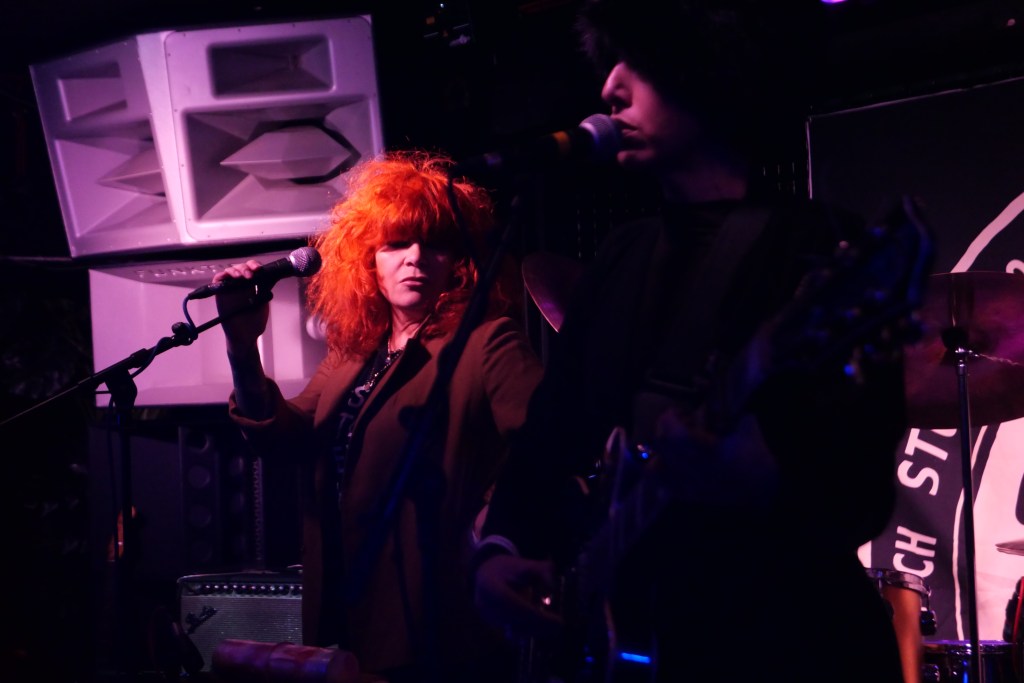
First up with the live thrills are a female duo with a bold, iconic look. Lassie are Emily Winng, whose thick mop of electric red hair glows like a fire under the stage lighting and Camille Davila, who fuses post‑punk sharpness with gothic elegance and a cool, Lennox‑like femininity. Their stage presence is a combination of mysterious and daring with a welcome dose of the personable thrown in; Emily turning a sound man directed request for less echo on her vocal into almost farcical slapstick. However, it is musically where these two are a serious proposition. Their harmonious vocals recall the dark angelic tones that Leonard Cohen used to appreciate so much in his backing singers, whilst Camille’s trebly guitar textures are both ethereal and the sound of an atmospheric vintage b-movie. Add to that Emily’s Bow Wow Wow referencing tribal drumming, which her partner occasionally doubles up on, with an inescapable mix of raw immediacy and deep song-based concepts and Lassie are a ridiculously enjoyable opening act. I later find out that they are currently preparing a debut album which, I confidently predict, will result in the number of voices singing their praises growing dramatically.
Lassie
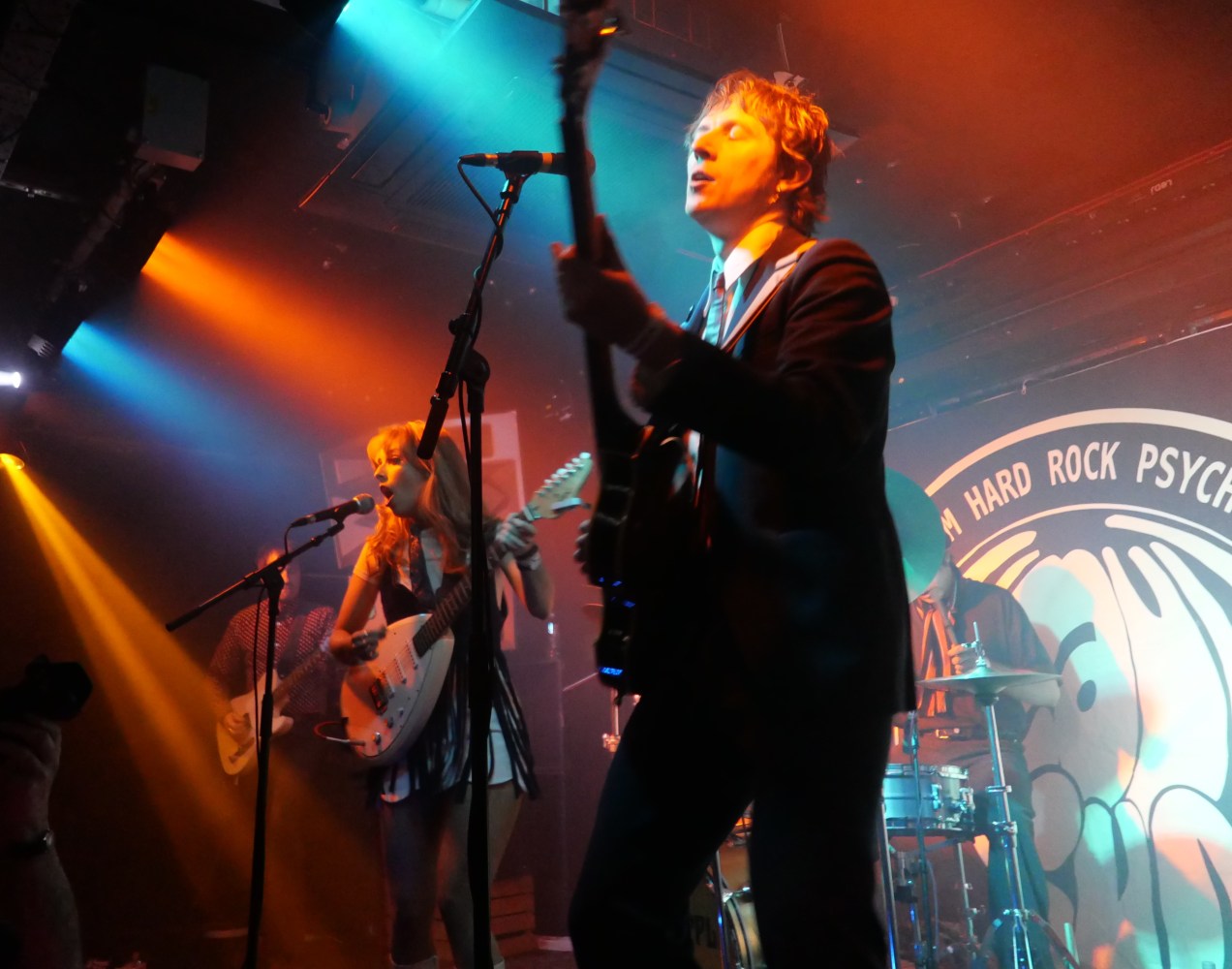
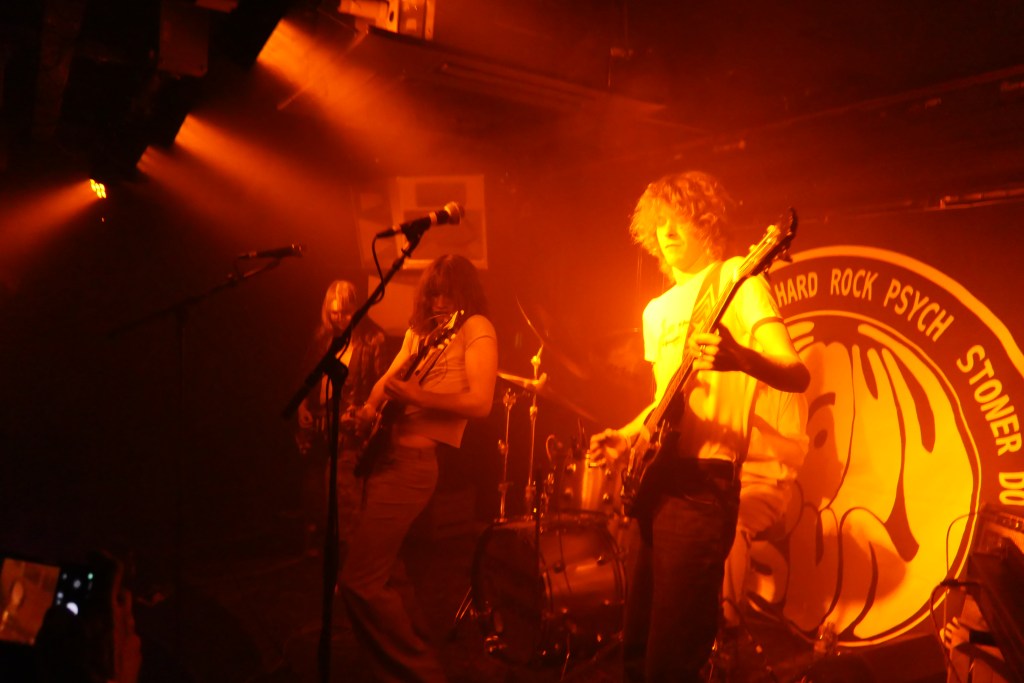
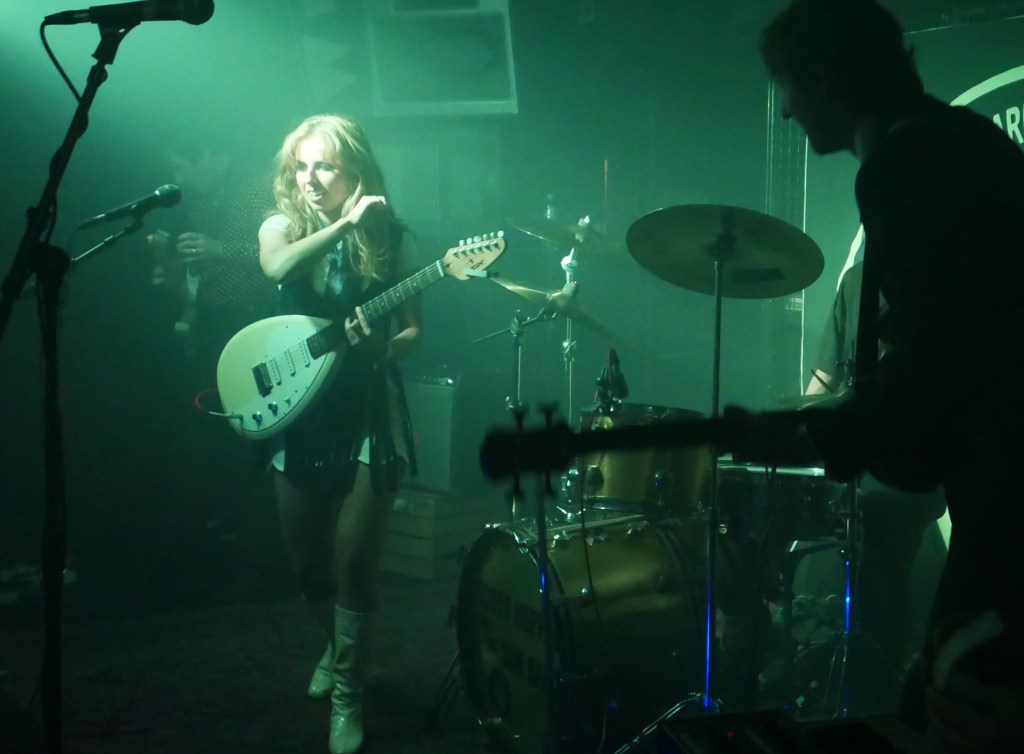
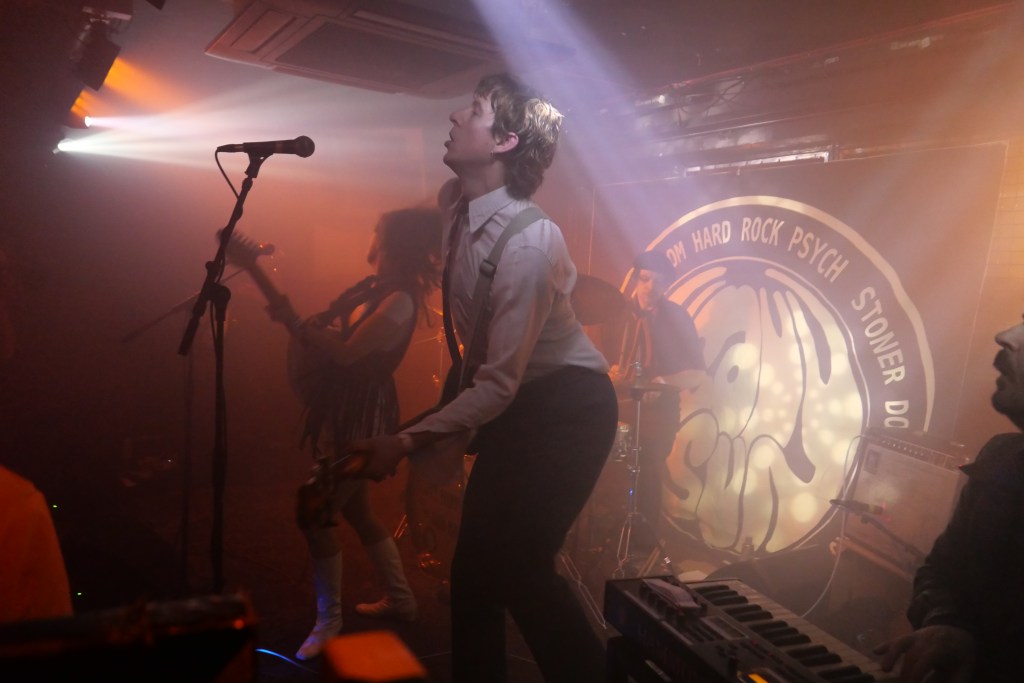
I loved the contrasts in the acts tonight and the most seismic shift was felt with the departure of Lassie and the arrival of Scott Hepple And The Sun Band. They are a four piece down from the north of England who in 2025 released their third album ‘English Mustard,’ produced by the analogue supremo of the recording studio, Liam Watson. Maybe it is this connection that sees Scott Hepple’s group described as a psychedelic, garage rock band but that terminology alone will not prepare you for the amplified assault this band unleash on their audience. They open their set like a demolition crew on double time, almost like they need to clear the decks of all residues before they can truly begin to build and concoct their magic. And magic there certainly is with these boys; they are playing music that stretches over valleys way beyond the three-minute garage template you might expect. This band play a hard-edged blues rock that has progressive threads and plenty of space for wild, stimulated instrumental wigging out. There is more than a touch of Free’s Paul Rodgers phrasing to Scott’s fronting of this band, that long haired, booze-soaked swagger is evident too but there is a voltage enhanced joy in expression with the Sun Band that is all their own. This kind of conviction can only come from a group with serious intent and, above all, talent.
Scott Hepple & The Sun Band
Tonight’s third and final band, The Crystal Teardrop, also released an album in 2025, and they too worked with producer Liam Watson to make ‘The Crystal Teardrop Is Forming.’ Everything about this group screams UK psych, from the Beatles Hofner violin bass guitar to the Brian Jones Vox Teardrop plectrum shaped axe of singer Alexandra Rose marrying perfectly with her go-go girl stylings, even the keyboard player looks like he has walked in from the set of an open university programme lecturing on chemistry. But do they have the music to back up the direction their fashion sense points them in? Well indeed they do, in fact, where their album hones their psych-pop vision into sharp focus, in this live setting they can see for miles and miles. I have not caught The Crystal Teardrop before so maybe this is normal for them, but it felt to me like they reacted to the volcanic eruptions of the previous band and took to the stage determined to tap into that same energy and passion. Evidently motivated as well as revelling in what was a fun-packed Saturday night for all of us, they lobbed their sixties‑psych glow straight into 2026, finding eager believers ready to carve out a place for it in the modern musical wilds. With the horrors of war in the backdrop to all our lives today, it felt apt too that they chose to climax their set with a motherlode of psychedelic freaking out. Somehow, the final sonic collapse of all the wondrousness that had preceded it, from all three acts, felt like a nailed-on representation of the moment we live in. It also reminded me that, no matter what else we are contending with in the outside world, brilliant music can frequently make it better. Look deeper, great things are always happening.
Words: Danny Neill Photos: Sophie Reichert
The Crystal TreardropThe Crystal Teardrop bring the psych to an explosive conclusion
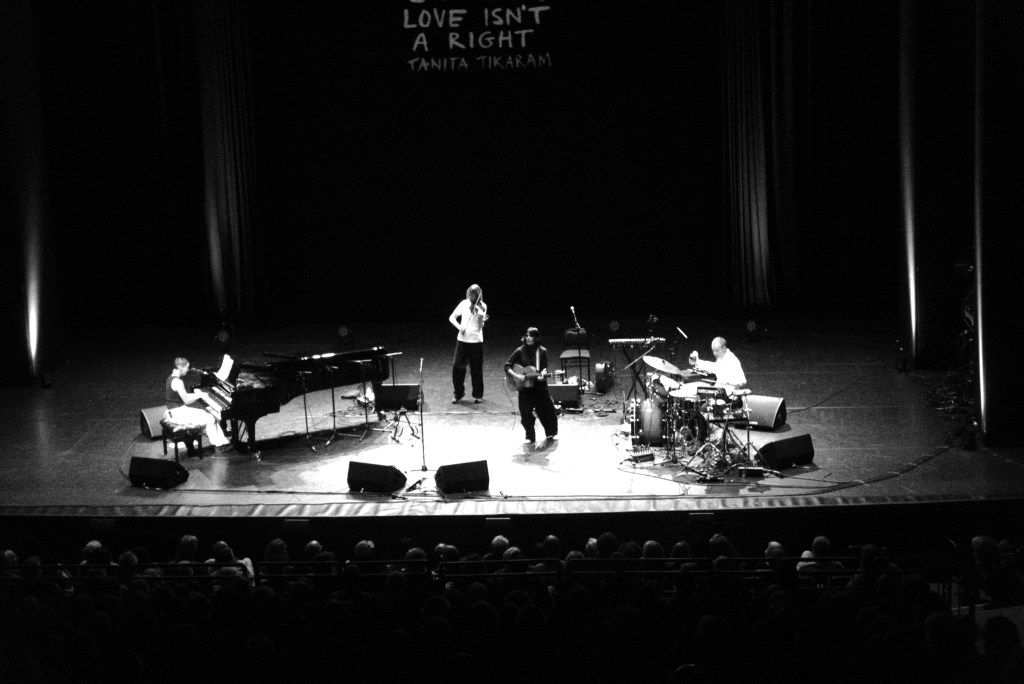
It is a lush concert hall location that tonight presents the Southeast of England instalment of Tanita Tikaram’s tour in support of her new album ‘LIAR (Love Isn’t A Right).’ This is a theatre setting that combines the grandeur of a concert hall recital, wherein the sublime acoustics are especially delightful, yet with a capacity of 740 seats retains an ability to encourage some intimacy between audience and artist. Whilst the overall impression of the venue is one of traditional design and construction there is an enveloping modern sheen too which, rather aptly, is also something that can be said of Tanita Tikaram’s music in 2025. These days she is some 37 years advanced from the diffidently bopping folksy songwriter that really did storm the UK pop charts all those years ago. Today Tanita is a wonderfully matured individualistic songwriter and singer whose sound demands the kind of attention and presentation this type of venue invites.
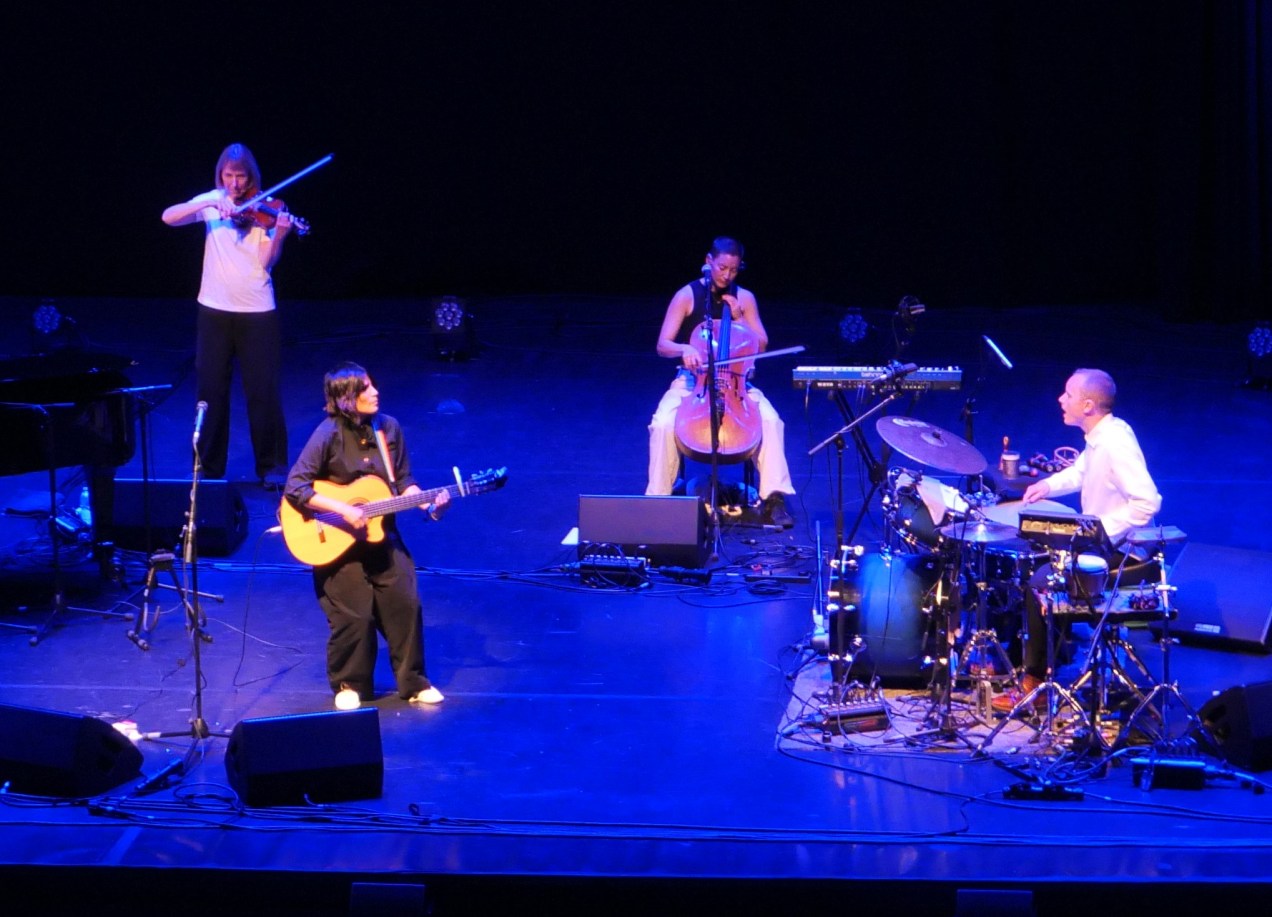
Tonight’s concert is a masterclass in baroque chamber pop, a fine grain of distinctly English music that can be heard in the most acclaimed art pop ever made (think ‘Eleanor Rigby’) and is also a key element in the celebrated high water marks of the 20th century singer-songwriter boom (think Nick Drake). That Tanita is tuned in to her musical vital ingredients extends to some fine song choices by other artists placing her in the realms of a connoisseur. In fact, it is a song by Nick Drake’s mother Molly that supplies the new albums title track and a sufficiently weighty melancholy as to appear handwritten for her latest set of songs. That same motivation to put the music first extends to this evenings live performance during which the star attraction is happy to occasionally disappear as a quarter component in a four-piece ensemble. Her first encore number is an exquisite cover of John Martyn’s ‘May You Never’ during which Tanita hands a substantial portion of the lead vocal over to cellist Zosia Jagodzinska. She is also proud to highlight her longtime violinist Helen O’Hara on a poised duo rendition of oldie ‘Valentine Heart’ (a song which the writer confesses was written about romantic love before she had any personal experience of such a thing). She also gives compositional kudos to drummer Marc Pell on the new ‘Sweet Feather And The Storm’, describing it as being born out of a jam between herself and the percussion maestro.
For me, one major positive take away from tonight’s concert was that the vast majority of those in attendance wanted to hear the music from the new album as much as the oldies. In fact, a spontaneous cheer erupted when the singer announced that this latest album would be the main focus. I highlight this because I have long been of the opinion that Tanita’s work has developed and grown into something quite wonderful over the years. I would particularly emphasise that her most recent albums are her best, so the necessity she feels to include a lot of material from that 1988 debut ‘Ancient Heart’ feels a little less essential to me. A curious thing seemed to happen back then, we saw a whole crop of talented female folk leaning singers emerge and enjoy significant chart success; this included people like Tracy Chapman, Michelle Shocked and Eddi Reader’s Fairground Attraction who all had their biggest mainstream success that year, despite carrying on to enjoy lengthy careers making increasingly wonderful music. Tanita has arguably suffered the most from an association with one specific era, but quite why this should be the case for any of the above is hard to pinpoint. Maybe the giant musical sea changes that swept aside the 1980s, the arrivals of dance, grunge, Britpop and the like, caused an avalanche of fresh excitement relegating the class of ’88 to the margins? If so, we are fortunate today that Tanita Tikaram still found a pathway to nurturing her writing and evolving to the sweet spot we find her in today.
So, in Saffron Walden we are treated to primarily music from 1988’s ‘Ancient Heart’ album and 2025’s ‘LIAR’. That acoustic guitar strumming nearly-dancer of yore is still in there, pleasing the one person rising to their feet to groove along with ‘Good Tradition’ every bit as much as I was spellbound by the cold punch and empty ache of ‘Lover Don’t Come Around.’ Some of her youthful offerings have aged extremely well, ‘World Outside Your Window’ nowadays has the elegance of a folk-pop standard while ‘Twist In My Sobriety’, with a trembly faster tempo, remains a darkly enigmatic song of which the singer herself admits “I have no idea what it’s about, and I wrote it”. To my eyes and ears though, she appears far more at home when seated at the piano facing her bandmates, wearing an inviting expression to get lost in this music. It is met with interest too, as Tanita picks the beautiful piano melody on ‘This Perfect Friend,’ the strings and percussion first smoulder then erupt into a whirlwind of bittersweet elegance. Equally a cover of ‘Wild Is The Wind’ (also performed on the album), which she acknowledges is inspired by the Nina Simone version, is absolutely mesmerising. Tanita closes the night at the piano too, lifting ‘I See A Morning’ from ‘LIAR’ and re-contextualising it as a soulful, gospel adjacent hymn to the hope ushered in at the dawning of a new day. It brings an end to a thoroughly immersive evening of music and underlines the point that, even if Tanita Tikaram hit a commercial peak four decades back, this has not impeded her pathway to an artistic peak in the present day. I believe she has realised just that and if you have not done so already, urge you to rediscover her work.
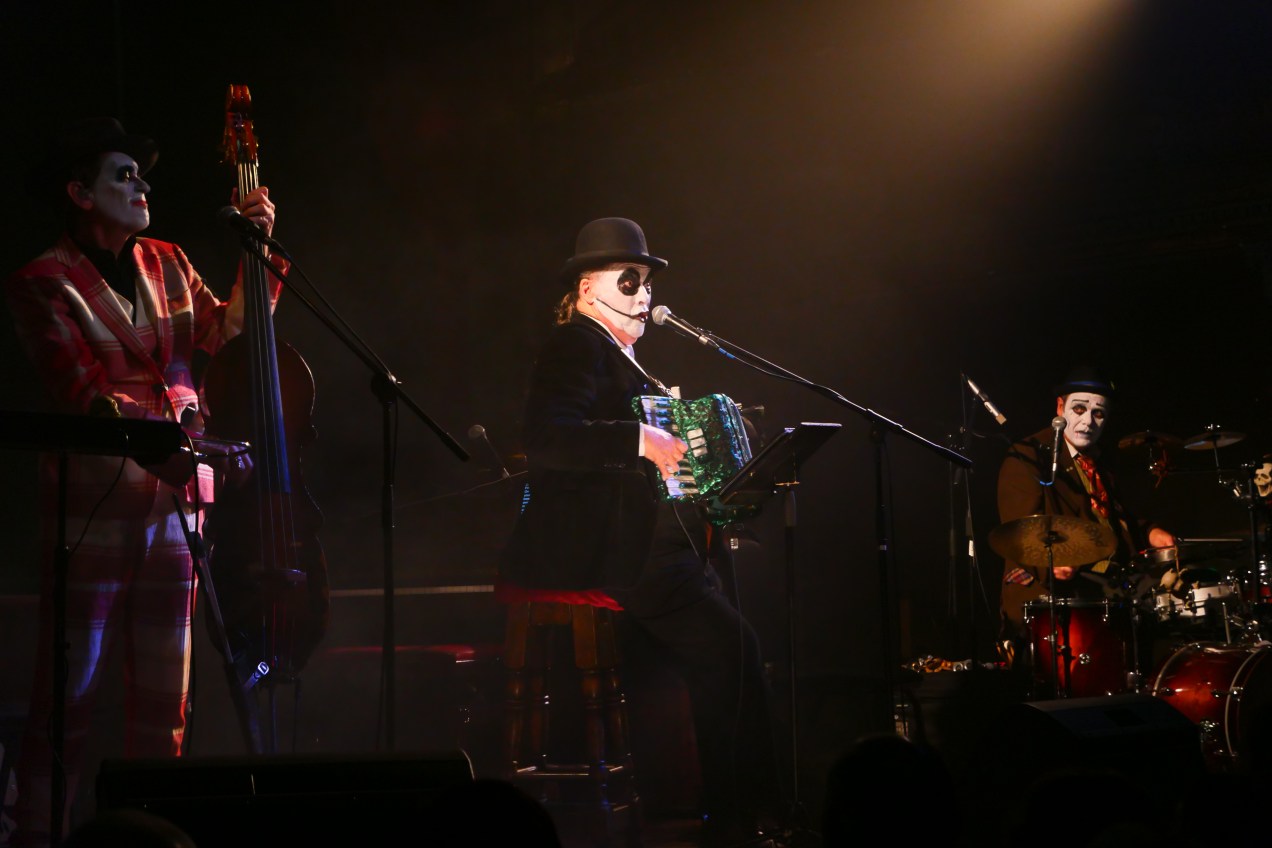
Just as the extremities of freezing cold can feel like burning, so too when a musical act plummets the depths of death, drugs, doom and despair so thoroughly they uncover light, irony, absurdity and humour, albeit of the gallows variety. The Tiger Lillies delight in the underbellies of life, they dig a pathway to empathy for the downtrodden and tap into the shattered beauty of the broken. Playing songs from their new ‘Serenade From The Sewer’ album, alongside a smattering of older catalogue classics, the pictures they paint of London pavement dwellers are vividly brought to life. Singer Martyn wrote these latest songs whilst reflecting about the pre-yuppie city life he saw from his window after first moving to Soho in the 1980s. He says the drug dealers, prostitutes, addicts and gangsters recall “a happy time for me. But it was tragic for many of the people I knew and watched from my window.” And so it is that a song about suicide, complete with sonic imagery embellishments like a theremin volt of electrocution, ends tonight with audience laughter. At the songs close our narrator reflects on his age and the decision not to end it all by his own hand with the deadpan words, “I remembered I will die soon anyway.”
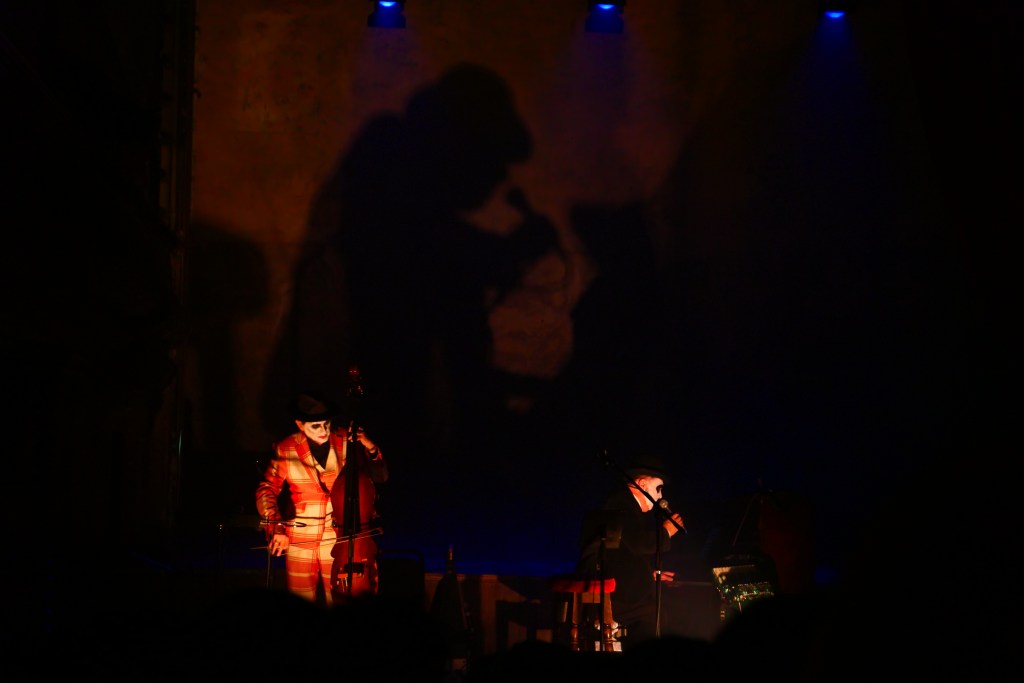
The Tiger Lillies have absolutely landed in the right space for the launch of their new LP, performing a long run of shows at East London’s oldest surviving Victorian music hall. With its exposed brickworks and timber galleries, this unique location is alive with ghosts of the past, its decadence evoking the spirit of the late 19th century era when the music hall and cabaret was enjoying its imperial boomtime. And much like the Tiger Lillies themselves, the place is reheating the flavour of an era long consigned to the history books. In fact, Wilton’s, named in 1859 after John Wilton took ownership of the site and transformed it into an entertainment venue, had spent the second half of the twentieth century in disrepair, coming close to demolition. And yet the turn of this century saw a restoration leading to revival and with their tombstone cabaret lurching forward onstage from the shadows, the Tiger Lillies presence feels like a perfect marriage of performer and situation. They take to the stage with this Saturday night audience hungry for musical stimuli presented with a unique theatricality, they are met head on by a band who appear to have absorbed every last drop of learned performance experience from the departed souls who stepped these boards in decades past.
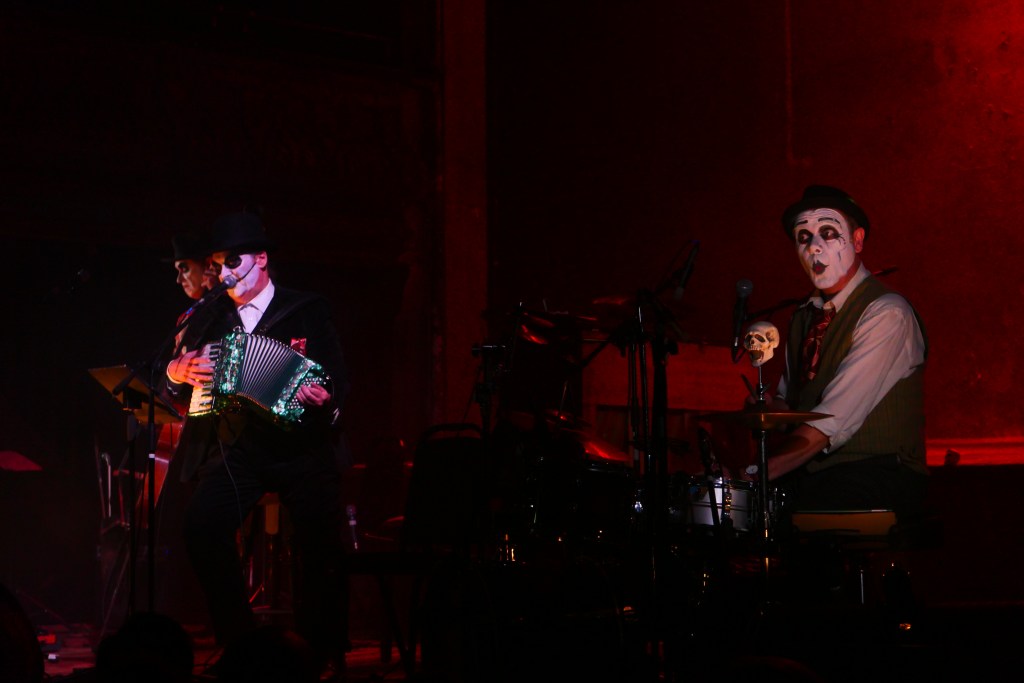
They are a three-piece consisting of central leader and composer Martyn Jacques, these days a judicial presence in the eye of the storm, performing mostly perched on a stall with accordion or hunched over his upright piano kneading mournful serenades. His writing has a canorous classicism to it, something which spectacularly enhances the cabaret element of his band. Then there is Adrian Stout on double bass, theremin and musical saw (for me one of the saddest sounding of all hand tools). He is simultaneously dapper and as menacing as an apparition emerging your wardrobe. His playing is both a low-end back bone for the ensemble and a veritable buffet of spookily, textural frills and adornments. Adrian’s presence is authoritative, which is in stark contrast to drummer Budi Butenop, who is the living embodiment of the joke about people who hang around with musicians. His stage presence is that of a man who needs to prove himself and is suffering for his art, to the extent that he can look panic stricken by and increase in tempo and fearful of a lull. In reality his playing is a masterclass in rhythmic performance art, to the extent that towards the end of a superb crash bang wallop of a drum solo, a silently observing Martyn and Adrian are almost purring with looks of approval.
Even though this trio’s style is macabre and surreal, they impossibly manage to mine disparate influences such as opera and the outsider art of cutting edge of punk. This is not to say they are aggressive, but the chilling white face paint they all adorn does give them an unsettling presence. It is a shield that makes The Tiger Lillies rather impenetrable, so they are free to express themselves within their dark ballads, waltzes and shanties of morbidity and doom. The intensity of Jacques is offset by the menacing falsetto of his singing voice, which is a tricky mannerism to maintain but he pulls in his classical training as a countertenor to execute a pitch that can slice a crowd in two with its conviction. These are songs that delight in the grotesque, they swim in a sea of morbid alienation and irrationality. The effect on an audience of desperate narratives rising up from the stench of the sewers, delivered by a senior man imitating the exaggerated voice of a Victorian child, can raise your hairs just as it sends shivers.
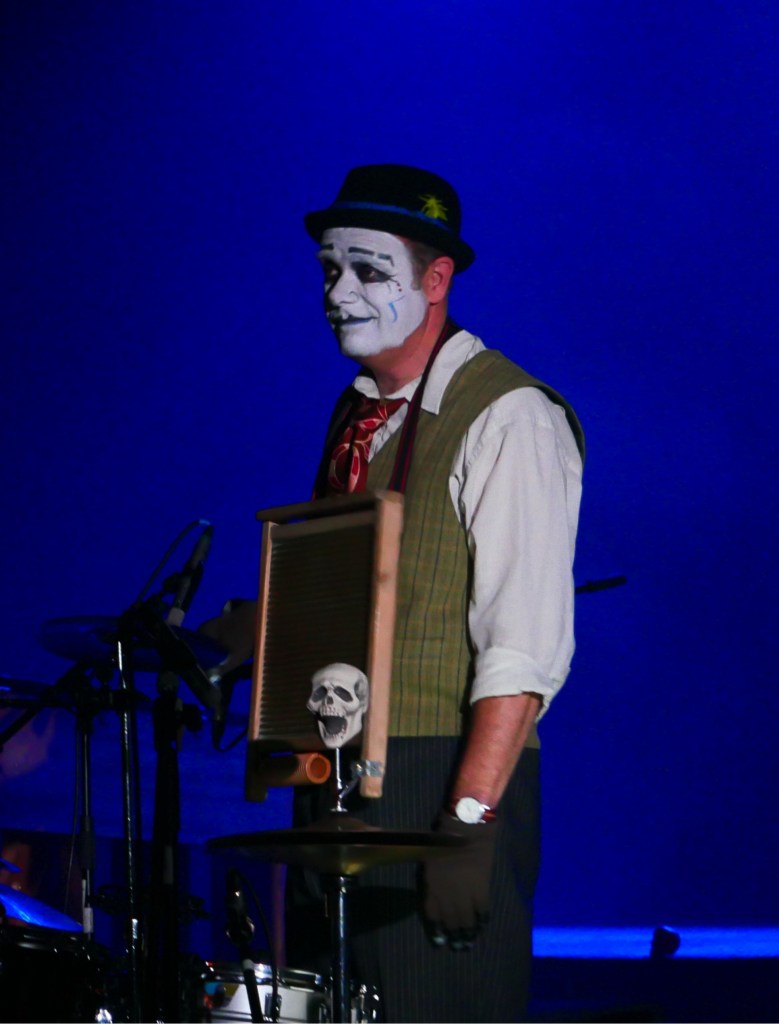
In tandem with the nightmarish horrors is a counterbalance of comedy too. Drummer Budi is something of a court jester, especially with the variety of clownish expressions he pulls. Tonight, a mobile phone goes off in an unfortunately quieter moment and he does not miss a beat in reacting with a look of sudden bemusement. Then when standing in front of his kit with a washboard around his neck, the body language is hilariously exaggerated naughty-step misery. Adrian too is an expert in the art of smiling insincerity and when both he and Budi join in forced falsetto backing vocals, repeating the refrain “stupid,” it is like we have entered the surrealist realms of a Hammer Horror musical on ice. Of course, amongst the older tunes played tonight the band play arguably their most notorious song ‘Heroin.’ With its “if you want to win, take heroin” centre piece lyric, it is a grand example of both irony and pathos being rolled into a gloriously infectious musical singalong. Later however, seated at the piano, Martyn Joseph lays bare all the human empathy and yearning for light at the heart of his writing with ‘Birds Are Singing In Ukraine.’ This 2023 hymn to the beauty of nature, overwhelmed by destruction from invaders, shows unwavering defiance amidst devastation. It does not deny the horrors but clings to hope, in so doing revealing the one facet of the Tiger Lillies music that is mostly submerged but is key to their vitality and clout; a sensitive character guides this band with heart and soul. Martyn does not need to end the song with a four letter send off to Putin, but he does so because he has a feel for theatre. He can sense that the Tiger Lillies have played this room like the modern-day vaudeville master’s they undoubtedly are, small wonder this crowd tonight demanded two standing ovation encores.
Kathryn Williams is touring her latest album ‘Mystery Park’ right now and it is a record lyrically woven with family and relations. Responding to the intimate ambience of her stage tonight, she is relaxed enough to share some details of the subject matters and the ideas that sparked many of the numbers into life. It has long been a chestnut for singer-songwriters to let confessions and real-life tales inform their music but thus far, in her quarter century plus career, Williams has shown a good deal more versatility than mere life ruminations. She has put out music inspired by Sylvia Plath for example, or an entire record of fictional hits from the perspective of a character in a Laura Barnett novel, so there is a strong writer’s mentality at play here. But, for the moment at least, feelings about ageing relatives and reflections on her past two decades as a parent seem to be the focus and I can sense there is a lot of empathy amongst her audience. I especially found one story about her teenage son exploring his own music tastes and sharing discoveries particularly relatable. I am certain I have taken the gloss off of my own children’s past selections simply by revealing that I am aware of the act in question and enjoy their music. Kathryn had a similar moment when her son’s excitement about finding Adrianne Lenker was dampened by his mother’s admission to loving her band Big Thief. Aside from the delightful story though, it also gave Williams an excuse tonight to play a gorgeous cover of that bands lilting ‘Change.’
‘Mystery Park’ features music that encourages William’s use of responsive studio arrangement and dramatic sonics. However, this is definitely a tour with a bare bones, stripped back aesthetic. The Junction’s seated room is a perfect situation for appreciating music of delicacy and reflection. Kathryn is accompanied only by guitarist Matt Deighton whose six string embellishments are subtle but vital too, he has a modest assuredness in his deep playing. Matt also happens to be the support act, his own music career stretching back even further than Kathryn’s to the Acid Jazz days of the early nineties. In fact, he has been an enigma over the years, the excellence of his music at odds with an apparent aversion to anything resembling self-promotion. He stumbles onstage tonight as if the idea that he might play some songs to this audience using the guitar he happens to be carrying had only just occurred. A few numbers later he ambles back offstage like a man realising he was only looking for the toilets before. Nevertheless, what happened in between mesmerized the audience despite efforts to throw us off with comments like “does anyone know these songs? I don’t.” They are acoustic ballads in name but, thanks to Matt’s background in soul and jazz alongside an all too obvious crate diggers passion for blending genre, they are fuelled with a warm natural energy. He caresses chord progressions that defy predictable resolutions and sings in a croaky upper register exhaling a soulful grit. In one restrained burst of ad-hoc playing Matt Deighton proves the reputation he acquired over the years has risen from a rare gift. It almost feels like had he ever pushed himself too proactively it would have been too much talent for the music industry to cope with, maybe all that modest self-effacement is a necessary defence mechanism?
Of course, the same could be said of Kathryn Williams. She is revealing a lot of personal matter, especially in these new songs. Introducing ‘Tender’ she wonders if there is anyone in the crowd who feels this way too, sounding like she would have a pitying understanding for individuals who are feeling too much, overwhelmed by the heightened responses their own senses inflict upon their emotions. Sharing stories about her father’s dementia and the dizzying effect parenthood can inflict upon your perception of time, it is reasonable to assume in different hands these subjects might become heavy going. But Kathryn has, from her earliest years, been a writer with a great ear for a melody and a reliable sense of the stirring touch a song requires to be both listenable and relatable. The angelic elevation in the chorus line of ‘Sea Of Shadows’ is a great example of this facility, it is a beautiful work that begins with recollections of her young child’s dressing up but then that refrain is ethereal, most writers cannot construct a beautiful lift in song like that. And the other thing Kathryn possesses is a deceptively powerful voice, do not be fooled by that gentle whispery front, this is a vocalist who can hold a room. Tonight, the material is almost entirely built around the new ‘Mystery Park’ album. Sometimes crowds hope for more older selections but with an artist like this, forming a live relationship with new material that also happens to be amongst her best, these are the shows that leave a special memory. They close on ‘Personal Paradise,’ a new song painting a picture of a domestic trauma that reaches for some abrasion in the arrangement. The singers mellotron is judiciously hypnotic whilst Matt detonates some violent electric fuzz to slice the serenity, but the previous ninety minutes of Kathryn Williams songcraft had already supplied more than enough fireworks to send us home wholly satisfied.
As it is Glastonbury weekend I thought it topical to share a few of the Fruit Tree Records Glastonbury favourites from over the years for this weeks vintage selection. The Waterboys are an act whose free flowing, boundary tumbling, questing romantic spirit have summed up the essence of Glastonbury over the decades and they are knitted into the fabric of the festivals history as well as my own back pages with the event. For it was in 1994 (my debut year as a Glastonbury attendee) that Mike Scott roamed the site, his Waterboys band not booked to play as the man himself was about to embark on a solo project gear change, but he made his presence felt all the same by popping up unannounced on at least two occasions playing old Waterboys classics, as here when he played with ex-Waterboy Sharon Shannon on a timeless masterpiece from the ‘Fisherman’s Blues’ album.
Johnny Cash – Folsom Prison Blues
Another 1994 memory, this was probably the seed of the Sunday lunchtime main stage line-up position that would later be branded the ‘legends slot’. I remember clearly dozing with my friends in the Sunday afternoon sun wondering whether to bother sticking around for Johnny Cash then being absolutely floored by the mans sheer stage presence and star aura. I knew little of the man and his music before he came onstage, my musical education was about to get a serious injection.
Nick Cave & The Bad Seeds – Red Right Hand
If bands were to follow a guideline for guaranteed Glastonbury success it might say on page one play a hits set, this is not the place to audience test the new record that has not been released yet. Back in 1998 the current Nick Cave & The Bad Seeds release was a ‘best of’ compilation and so their festival set reflected this, although the legendary status of the performance might also be down to the band being at the very peak of their powers at this time. This would have been the occasion Nick Cave has spoken about where he met Bob Dylan backstage, receiving warm praise from the elder statesman for his musical output. There is no BBC film footage of the Dylan set, the nineties being a time when bigger names could opt out of television coverage.
R.E.M. – It’s The End Of The World As We Know It (And I Feel Fine)
R.E.M. came on the mainstage as headliners in 1999 with a point to prove. Their most recent album ‘Up’ had not performed as well as expected and so the initial statement that there would not be a tour around the album was revised and 1999 saw them return to the stage with punch and purpose. I do not have many memories of being down the front at gigs, my height normally sees me settling for a further back position, but this was one occasion where I felt the moment and was drawn closer to the source. R.E.M. are one of my top three all time favourite bands and this was one Glastonbury headline slot with everything I had hoped for, a legendary band seizing the moment and delivering the goods.
David Bowie – Rebel Rebel
If you were a TV viewer of the festival in the first ten years of TV coverage you were at the mercy of the broadcaster’s choice of stages and acts to cover. The iPlayer control that enables us all to explore and select as we would if attending was some way off and this was never more frustratingly felt, for me, than in 2000 when all us viewers were aware that David Bowie was playing a mouth watering headline slot on the main stage as we tuned in, but the BBC only offered us short excerpts from his set, no direct live broadcast as you would have reasonably expected. Instead they kept cutting to Bassment Jaxx on the other stage, an alternative selection that did not, could not, meet with the viewers expectations. The dance based duo looked like they knew this as well, appearing to be a little too crouched behind their mixing desk as their dancers took care of stage craft and the Jaxxees (as they would later be known thanks to Primal Scream) pepper sprayed us with generic bland dance toss. In the subsequent years Bowie’s set attained a near legendary status, if only the TV audience could have shared in that euphoria live in real time too.
The White Stripes – Hotel Yorba
The excitement that was exploding around the White Stripes at this time is, I think, tangibly captured in this Glastonbury performance of 2002. At a time when indie was starting to head for the landfill and dance was repetitively beating itself into a stupor, it took a stripped back duo playing the electric blues to ignite the scene with something fresh and vital. This TV exposure could have been the first time many in the UK caught a glimpse of Jack and Meg but they were ready to take you down by this stage, no questions asked
For this week’s half dozen vintage music selections I just had to opt for a summer theme what with the heatwave that is currently bathing the UK in a hot, bright, sticky, perspiring glow. My opening jump back is a jazz standard taken from the Porgy & Bess musical as performed here by a pair of the genres 20th century masters and OK, the video may not sync with the recording but sometimes, as is the case here, the song cannot be omitted simply because I cannot find a bit of film archive.
The Surfaris – Wipe Out
For me the optimum sound of summer, in the same way that the ultimate sound of Christmas will always be heard in the production of Phil Spector’s Christmas album, is surf music. This instrumental from 1963 is one of the best, that wave riding electric guitar twang just does not ring quite the same in the winter months, this is the kind of sizzling hot playing that could send even the non-swimmers out there diving for the rolling waves atop a surf board.
Bedazzled – Summer Song
Back in the 1990s ‘Landfill Indie’ (the necessary catch all term coined by the music press in the 2010’s to lump together all the uninspired guitar posing bands yelping their generic uninspired toss into a bucket) was not a thing, in fact many lower league indie bands were churning out little bittersweet guitar pop nuggets such as this summer-themed gem, from the soon to be forgotten and barely even registering at the time but no less worthy and ripe for rediscovery, Bedazzled.
The Duckworth Lewis Method – The Age Of Revolution
I grew up with the increasingly outdated idea that football was the winter sport and cricket the summer. Now that football has crept into the summer months too these seasonal dividing lines are all but obsolete but cricket remains, in the UK and a few other (but not enough) countries, synonymous with the warmer months. How wonderful was it that a band specifically dedicating their entire musical output in honour of the sport should arrive? Especially as the creative figureheads were supreme songsmiths from other guises, namely the Divine Comedy and the criminally under-rated Pugwash. This is a full and direct inswinger that definitively hits the stumps.
Ben Folds Five – Where’s Summer B?
This one is presented as a lo-fi filmed clip but if you are unfamiliar with the original version on the Ben Folds Five debut album I urge you to check out this aching, Billy Joel style, peach of a song. Sometimes, the juxtaposition of a yearning lyric with a warm summery sound can hit the senses hard, this great summer song is one such example.
Bruce Springsteen – Girls In Their Summer Clothes
It is not as if I was previously unaware but I have to admit, over the past month I have been taking a real deep dive into the masterful songwriting of Bruce Springsteen. I know he is a massive mainstream artist but I do believe he remains a little under-rated, at least in terms of how great a writer and performer he as always been. This summer song is a case in point, rarely listed as one of his classics but how often do pop/rock songs convey in lyric and tone exactly what they want to say as devastating and potently as this? Not often enough, this is one of genuinely hundreds of prefect songs that has risen from the hand of Bruce Springsteen.