The EP remains an important format, that half-way house between an LP and a single, enabling recording musicians to get spontaneously realised cuts into the ears of listeners speedily, rather than waiting on the grander ambitions of an album project. That is exactly the scenario we are presented with here, the end result of some informal sessions that yielded potent produce. It is front loaded with a brace of heavy hitters, firstly ‘Chartreuse’ which is a stunning melange of influence, texture, tone and ideas. The slow shuffle beat brings a trip-hop foundation to the atmosphere, accompanying a deep bass backbone that not only holds the threads together but tantalises with the possibilities that this caught in-the-moment piece offers. With the addition of horns and understated keys, it transforms into a thing of late-night beauty in tandem with a sense of darkening and post-storm humidity. This is identifiably a jazz sound but one that has its dial tuned in to the vibrations of the modern city landscape. Next up ‘Japanese Green’ builds on a meaty groove thrashed out with firmly hit keyboard chords, all of which provide a landscape for some fine brass lines moving into watery keys that send wild explosions of oxygen straight to the surface.
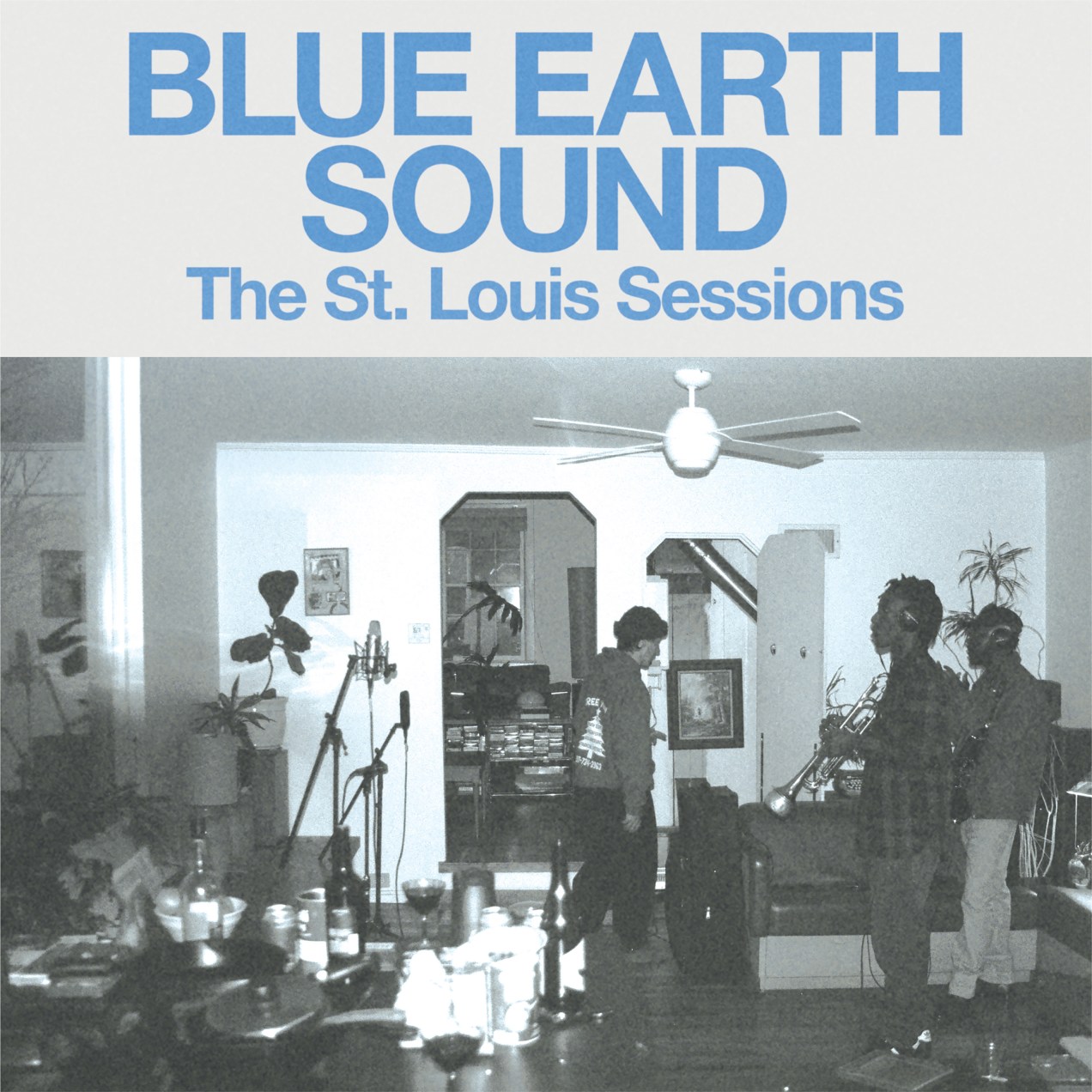
This brand new Blue Earth Sound release was born from a period of momentum and widening horizons for James Weir, who launched the project in 2025 with ‘Cicero Nights.’ That was a debut coloured by late‑night Chicago wanderings, a renewed relationship with the piano, and a circle of collaborators who helped him pivot from his earlier post‑punk and synth‑leaning work into a more atmospheric and reflective mode. That record emerged from basement writing sessions in Humboldt Park and took on its character through sessions with players like drummer Patch Romanowski, trumpeter Will Miller, and engineer Dave Vettraino, establishing Weir’s blend of cinematic jazz, soul inflections, and gently psychedelic textures. As the album gained support from the big-name broadcasters Weir found himself travelling more, and a visit to St. Louis became the catalyst for the next chapter. A casual stopover with drummer and long‑time collaborator Austin LeMoine initially, it turned into a run of informal, living‑room sessions in LeMoine’s newly built home studio, where Weir arrived with loose demos and an openness to letting the music take shape in real time. Local horn players Jawaad Spaan and Josiah Burton joined the fold, and the group landed on a balance of improvisation and later sculpted production, capturing the spark of those spontaneous gatherings.
‘The St. Louis Sessions’ is a document of that loosely evolved creative moment, it actually plays like a natural extension of the world ‘Cicero Nights’ opened but now in new rooms, with new players and the sense of possibility that comes from stepping outside one’s home turf. It is a five-track release that makes its point convincingly in a short space of time and leaves the listener hungry for a directors cut. That said though, there is plenty for us to dig into, especially those aforementioned licks on the second track, there are break sections in here that a hip-hop producer could really make hay with. ‘Danny Boy Voicemail’ does exactly what the title tells us, although who Danny is exactly, I cannot say, before ‘Fresh Air’ equally makes good on its given name. This one is built around a bass line that nearly occupies the space of lead instrument, the ambience of the brass and electronic layers around it rise in the way that morning light breathes across a rain-washed street. Finally, ‘Missouri Midnight’ sets a natural piano figure in motion, giving the ensemble room to answer with a spacious, reflective grace. As extensions of jazz-based excursions go, this does a fine job of building on past foundations and pointing the way to paths yet walked. Keep an ear out for future dispatches.
Danny Neill
Get yourself a copy of the EP via this link: https://amzn.to/4fTjjZB