Old Fruit

Old Fruit 23rd January 2026

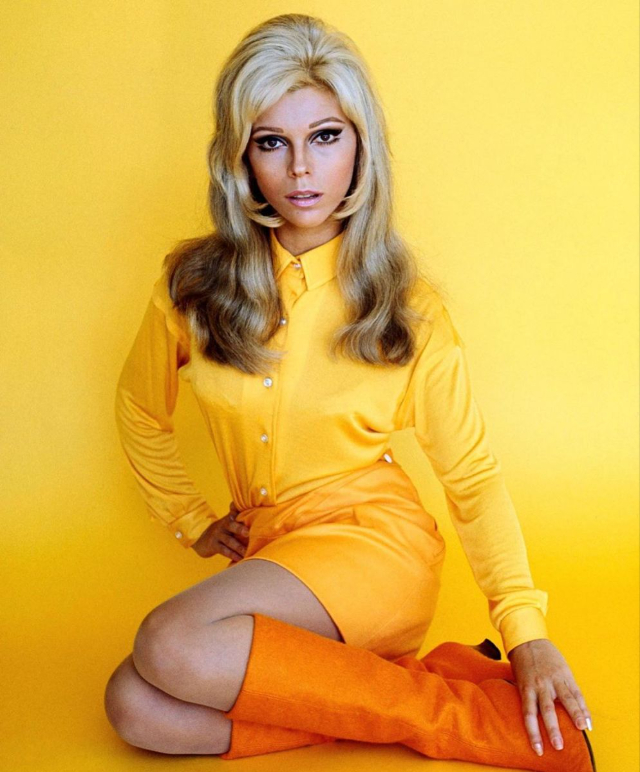
Nancy Sinatra – These Boots Are Made For Walking

This week’s Old Fruit half dozen music offerings is based around early music videos, a look at how acts were approaching the visual medium in pre-MTV days, long before ‘Video Killed The Radio Star’ in fact, which is where many assume the age of the music video began. Actually, the idea that a piece of promotional film could be shot to accompany a 45 release was already widely practised in the 1960s, albeit with far less attention paid to the quality or indeed the purpose of the picture. Half the time, as we shall see later, it was merely a case of a band getting their hands on a camera and filming themselves larking about. Not with todays first example though, Nancy Sinatra may have gone down the obvious sing and dance route but isn’t that all this classic slice of sixties pop needed? As long as Nancy and the dancers are all wearing boots and there are plenty of primary colours, hair shaking and movement they could hardly go wrong. Stand on it Nancy!

Mason Williams – Classical Gas

With no specialised music channels to aim for, often films would be created with a specific slot on an established TV show in mind. Such was the case for Mason Williams, who just happened to also be a chief writer on The Smothers Brothers Comedy Hour and so had a ready made outlet for the short film accompanying his latest composition. By marrying a montage by Dan McLaughlin called ‘3000 Years Of Art,’ which utilised a method known as kinestasis, the early concept video showed rapid-fire images that created a sense of motion and helped push this classical guitar showcase high up the charts both in the US and the UK.

The Beatles – Rain

It is Strawberry Fields Forever that people often think of when crediting the Beatles with pioneering the music video medium in addition to multiple musical grounds the band broke. But, the previous year they had purposely shot promotional films for their latest ‘Paperback Writer’ 45, going to the trouble of capturing this video for the b-side ‘Rain’ as well. There is no suggestion of narrative or concept, this is nothing more than the fab four looking cool in the picturesque surroundings of Chiswick House and Gardens while half heartedly miming to the recording (sometimes, sometimes not). Still, at a time when the twin pressures of demand and volume of work made it impossible for them to reach or be seen by their whole worldwide audience at any one time, a short video to go with the latest records felt like a perfect solution.

Bob Dylan – Subterranean Homesick Blues

An artist less likely to be remembered as a music video pioneer than Bob Dylan you probably could not find. Admittedly, in later life he has caught everyone by surprise and appeared to fully embrace the medium, there is the ‘Must Be Santa’ video for starters with its inexplicable long wig and dancing but then, after Bob made a Christmas album anything became possible. That does not change the fact that for the longest part of his career he had no interest in videos. There is an interview in Q magazine from 1989 when the journalist reports on his record company trying to cajole Bob into making a video, only to get the response “can’t they use a photo?” Maybe he felt he had already mastered the form with this iconic piece shot in 1965? It certainly is a classic and best of all, if you are ever near the Savoy Hotel in London just go around the back and there, minus the scaffolding, is the exact same unchanged location that this film was shot.

Pink Floyd – Point Me At The Sky

Here is a band at the other end of the spectrum in as much as they would go on to invest creativity into the visual side of their music every bit as much as the audio and songs. Here though, there is precious little evidence that they will go in that direction. As friend of the band Aubrey Powell told Uncut magazine about this film: “When it came out, they asked Storm and I to make a film. We went to Biggin Hill and rented a couple of Tiger Moths. Everybody took turns to fly in them while we were shooting with a couple of old Bolexes and an Arriflex 16mm camera. It was all Biggles and jolly hockey sticks. That’s a very middle class, public schoolboys fun day out. Five Go Mad At Biggin Hill.”

Small Faces – Lazy Sunday

As much of a laugh as the Floyd boys may have had shooting their film, it was positively mapped out and storyboarded compared to this Small Faces effort. The whole essence of the film seems to be just turn the camera on and we will do something off the top of our heads. Crack a joke, run from left to right, shoot Steve as he goes into the outside toilet round the back of the house. It’s a lazy sunday, that will do won’t it? There is the one shot of Marriott taking a nap on the grass but it feels like they set up the shots of giant speakers magically appearing at the start, realised that had taken too long to set up, then captured the disgruntled elderly neighbour scene and thought, well that will probably do. The thing is, this is the Small Faces and ‘Lazy Sunday’ is one of the many delights on their classic ‘Ogdens’ album so yes, they can do as they please, the music does more than enough on its own!

Standard
Old Fruit

Old Fruit 24th October 2025

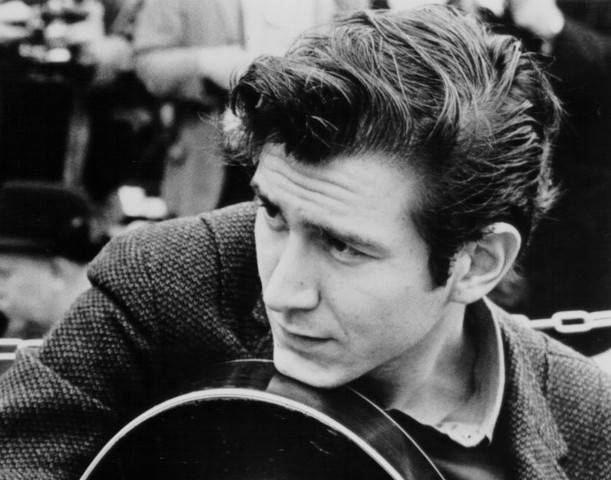
Phil Ochs – I Ain’t Marching Anymore

This week’s selection of older music recommendations is a feature inspired by the soon-to-land new Bob Dylan Bootleg Series Volume 18 box set. It offers a deep dive into the early Dylan period when he arrived in New York, soaked up the culture, history and political positioning of the folk scene around Greenwich Village and very soon became the most famous songwriter at the forefront of the protest movement. To compliment that, here are six tracks from some of the other musicians and songwriters Bob would have been rubbing shoulders with during this era. Many would influence Bob directly, some would collaborate with him whilst others, with Phil Ochs being the prime example, would motivate Bob more as artists he viewed as rivals within the topical song explosion. Dylan and Ochs had flashpoints in the mid-sixties (Dylan once booted Ochs out of a cab with the words “you’re just a journalist” ringing in his ears, his crime nothing more than, correctly, ascertaining that ‘Can You Please Crawl Out Your Window’ was not as good as Dylan’s previous release) but a mutually respectful connection did survive with Ochs often publicly defending against criticism of Bob’s adopting a folk-rock sound. Ochs tale is a sad one of mental health decline and a terminal downward spiral in the early seventies that he could not lift himself from. But, despite his lack of commercial success, Phil’s reputation must have held among peers. It is fascinating to hear on the new John Lennon set, focusing on Lennon’s own dalliance with protest music around 1971-72, how he jammed with Phil upon arriving in America, trying to find inspiration from the man clearly still regarded as one of the more effective, credible writers of this kind. One of the songs Phil played John that night was this, a pacifist classic from the mid sixties about turning away from military combat in search of another way, an idea that definitely chimed with Lennon’s own ‘War Is Over’ publicity campaign.

Carolyn Hester – Dink’s Song

Carolyn’s bit-part in the Bob Dylan story is quite a pivotal one actually. Her self titled album released in 1962 for Columbia featured Bob as an instrumentalist, playing the harmonica on some of the tracks such as ‘Swing And Turn Jubilee’ and ‘I’ll Fly Away’. Other than it being Bob’s first recording of any kind on a major label, it is also highly likely that it was this session that brought Bob to the attention of John Hammond, soon to be the man opening the doors to Columbia for Dylan to sign a first solo recording contract and make his own self titled debut LP. As can be heard on this selection, Carolyn had a fine voice and style of her own and with Davy Graham backing her on guitar, it is clear Dylan was only one of many folk legends she would work alongside.

Ramblin’ Jack Elliott – San Francisco Bay Blues

There is a funny detail within the pages of the new book that accompanies the latest edition of Bob Dylan’s Bootleg Series. It tells of the hilarity in Bob’s reaction to finding out the news that Ramblin’ Jack Elliott’s real name is Elliott Charles Adnopoz. Apparently the former Mr. Zimmerman, whose own backstory and its legitimacy, or lack of, would come into question soon enough could not help but fall about laughing. Ramblin’ Jack would be a key figure in Bob’s early development, with this own absorbing of the sound, manner and music of Woody Guthrie believed to be largely learned from Elliott. He was after all a man of whom Woody Guthrie himself said around this time “he sounds more like me than I do”.

Fred Neil – Dolphins

One of the real buried treasures of the Greenwich Village sixties scene was Fred Neil. A singer songwriter who seemed to have no commercial instinct whatsoever and displayed absolutely no interest in finding one. He is mentioned by Dylan in ‘Chronicles’ as being one of the first connections Bob would make upon his arrival in New York and he soon found himself backing Fred on harmonica. As a writer and performer this enigmatic singer really did have some gorgeous music up his sleeve, all delivered with that laid back bottomless baritone of a vocal. It was Fred Neil who wrote and recorded ‘Everybody’s Talkin”, a soon to be classic that rose to the top when sung on the ‘Midnight Cowboy’ soundtrack by Harry Nilsson. However, this deep floating ode to escapism and a simpler life swimming with dolphins is the song that Fred should be remembered for, it is a mid-sixties folk masterpiece with a grace and beauty that remains timeless.

Karen Dalton – It Hurts Me Too

There is a photograph of Bob Dylan playing harmonica with Fred Neil, as described in the intro to the previous song, which I shall feature at the end of this article. The female figure in between them is Karen Dalton, another artist who similar to Fred made some indelible, enduring records at the time but never gained much recognition and faded from view all too soon. Dylan once called her his favourite singer in the village and her mournful vocal style was often compared to Billie Holiday. Despite the appreciation of her peers, Karen was a reluctant performer and even more disinclined to play the kind of music industry games that were standard at the time in order to promote your work. Her two albums were released quietly in 1969 and 1971, in fact one is said to have been recorded in a single night session as if by accident, and a justifiably acclaimed reputation today has mainly arisen since her death in 1993 at the age of 55.

Malvina Reynolds – No Hole In My Head

With an image that suggested a safer, approachable grandmotherly figure, Malvina Reynolds presents as one of the more unusual and unique singer-songwriters of the period. Far from middle-of-the-road, her wonderful songs had a healthy bite and cynicism in their veins. One of her songs positioned Malvina as a happy failure in the world, comfortable with her status because “those that succeed are the sons of bitches”. She actually did not start writing music until her late 40s and made serious inroads in the folk scene thanks to the political punch in her lyrics and easy way with satirical, engaging storytelling lyrics. Her most famous composition was probably ‘Little Boxes’ sung by Pete Seeger but other artists covering Reynolds songs included Joan Baez, The Seekers and Harry Belafonte. Later on she also contributed compositions to the children’s show ‘Sesame Street’.

Bob Dylan alongside Karen Dalton backing Fred Neil in the early sixties

Standard
Old Fruit

Old Fruit 15th August 2025

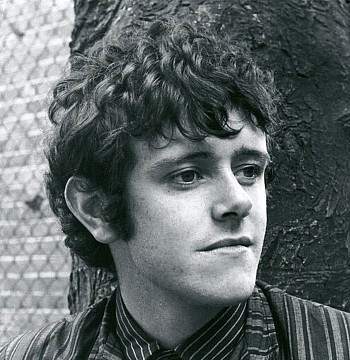
Donovan – Hey Gyp (Dig The Slowness)

This edition of Old Fruit is jumping back sixty years for half a dozen nuggets with maximum nineteen sixty five-ity! First up is Donovan, playing a song that sixty years later is also the opening track on the new Robert Plant and Saving Grace album. Plant has acknowledged in an interview with Mojo Magazine that it was Donovan’s version that drew him into the song and, whilst being aware that it was previously recorded in 1960 as ‘Chevrolet’ by Lonnie Young and Ed Young, he was unaware of an earlier 1930 version called ‘Can I Do It For You’ by Memphis Minnie and Kansas Joe McCoy. This film clip, like one or two others in this weeks feature, is actually from 1966 but all the original records were released in 1965, dig?

Bob Dylan – Positively 4th Street

So captured here in his prime wild mercury, newly electrified phase is the man Donovan was, quite reasonably, accused of emulating in the early months of 1965. Of course, it was only a short matter of time before the Don’s power-flower dreaminess appeared worlds away from Bob Dylan’s plugged-in magnificent kaleidoscope of possessed poetic wonderment, which is where we find him here. Stirring up his US audience, including a quick Roger McGuinn fly past if I am not mistaken, who are shaken into feverish debate about the merits of their mans change of direction. Although not prominently featured, the snippets of a live ‘Positively 4th Street’ heard here are a real archival treasure. One of Bob’s most famous attack songs, he can be seen playing, what was then, a recent composition in a form very close to its recorded version, something of a Dylan rarity in itself.

Buddy Guy – Outta Sight

If the 1965 folk audience were getting themselves into a state of extreme agitation as their purely acoustic music was pushed headlong into electricity, it is maybe surprising that there are not similar reports from the blues fraternity, after all up to then and ever since the genre was invented it was mainly all about acoustic troubadours singing of their troubles. But this incredible colourised film of Buddy Guy, backed by Lonesome Jimmy Lee (Robinson) on bass and Fred Below on drums, not only proves what a thrilling journey the blues was on at this time, but also how naturally it was cross pollinating with other musical forms. This is no mere bluesy interpretation of a James Brown tune, it goes for full-on soul power and the funk in the groove is impossible to resist.

The Sorrows – Take A Heart

1965 was a peak period for the classic English Freakbeat retrospectively labelled sub-genre and here is one of the prime slices of that fevered, impassioned Mod sound. ‘Take A Heart’ would turn out to be The Sorrows biggest success when the 45, released sixty years ago this month on the Piccadilly label, peaked at number 21 in the UK singles chart. It was also the title of their debut album released on the same label that year, of which original stereo pressings are fetching around £200 on Discogs today. This is an essential live performance clip from the kind of mid-sixties band for whom TV appearances would have been rare.

The Pretty Things – Midnight To Six

Another one with raw garage rock texture that actually crosses over well to a live TV recording is seen here with the Pretty Things classic ode to swinging London night life. Like so many great tracks of this style from the era, this was not a big hit, only peaking for one week in the UK charts at number 46. Seeing them in their early days like this, it is hard to fathom how they did not tear it up commercially in the same way that the Rolling Stones did, a band with close ties to the Pretty Things. In fact their guitarist Dick Taylor played bass in a very early line up of the Rolling Stones but would leave in late 1962; nevertheless, the raw R&B influence and rough energy of both bands remained a tangible touching point .

The Byrds – Turn Turn Turn

I finish this edition with a bumper extended piece of TV footage and once again, a rare chance to see a classic sixties group in their definitive five piece line-up playing live in early years, beat-boom finery. This is arguably the definitive folk-rock sound, what with the vocal harmonies and twelve strings of McGuinn’s electric Rickenbacker jingle-jangling as the cloudburst of pop colour rained down on the wonderful folk material contemporary acts (as well as The Byrds) revitalised. Of course, they would also record many an essential tune written by their own hand but here we are treated to ‘Turn Turn Turn’ followed by a further brace of amped up revisions, ‘The Bells Of Rhymney’ and Dylan’s ‘Mr. Tambourine Man’.

Standard
Old Fruit

Old Fruit 23rd May 2025

Bob Dylan – Not Dark Yet

Bob Dylan is arguably the greatest living songwriter on the planet, only Paul McCartney could have a shout at being as culturally significant, and this week marks Bob’s 84th birthday so this weeks half dozen older song selection is a Dylan celebration in honour of his enduring career. This tired, forlorn and reflective song is a real beauty from an LP, 1997’s ‘Time Out Of Mind’, that I frequently conclude and fight a corner for being the greatest of Dylan’s entire back catalogue. It maybe lacks the cultural impact of his famous mid sixties releases but as a collection of songs it is thematically and sonically extremely satisfying and pulls you in for a rewarding return visit again and again…

Jeff Tweedy – Simple Twist Of Fate

Jeff is one of the great US songwriters of our time too, particularly for his timeless music as the lead singer of Americana lynchpins Wilco, and he approaches his version of this Dylan with understanding and emotiveness as if the song were his own. He digs deep and gets lost inside this lyric originally from a Dylan album, ‘Blood On The Tracks’, that mediated on the subject of relationships, divorce, heartbreak and separation with a depth and 20/20 eye that few have equalled before or since…

Joan Baez – Love Is Just A Four Letter Word

Ever since Joan played this song to camera in the extensive Dylan documentary ‘No Direction Home’ it has been associated with her romantic connection to Bob that briefly bloomed in the sixties and evolved into legend when she wrote about it on her own ‘Diamonds And Rust’ in the seventies. The brilliant story around this song is that Joan was around Bob when he spontaneously made it up then, playing it back to him at a later date, he enquired “that’s pretty good, who wrote it?”. “You did, you dope” she replied before claiming it as part of her own repertoire from there on in…

Old Crow Medicine Show – Wagon Wheel

There is a similar story to the Joan Baez tune with this one, the connection being it is an act picking up on one of Dylan’s discarded scraps and turning it into one of the most popular tunes in their own catalogue. This time Old Crow Medicine Show picked up on a fragment of a tune called ‘Wagon Wheel’ that surfaced on a bootleg record taken from studio sessions around 1973. They wrote to Bob and asked for permission to finish the tune off, although if you manage to hear the source material it is clear the song was pretty much all there already, to which they received a positive reply and away they went, delighting crowds with their wagon wheeling ever since…

Lou Reed – Foot Of Pride

Lou Reed and Bob Dylan today seem a natural fit as writers and performers thanks to their masterful capacity for poetic lyrics and the strong individualistic personality of their singing styles. Their paths rarely crossed though, but Dylan did go through a period in the 1980s when he was very vocal about his admiration for Lou, especially in the liner notes for his 1985 ‘Biograph’ box set when he set Reed was one of very few modern artists he had any time for. Lou returned the compliment here, at Dylan’s 1992 Madison Square Garden all star tribute concert, with a spinning rock mass rendition of a song that had first appeared the previous year on Dylan’s very first Bootleg Series box set release…

Timothee Chalamet – Outlaw Blues / Three Angels

The grand service Chalamet has done to promote the Dylan legend with his incredible biopic portrayal of the great mans early years cannot be understated. However, even more delight should be derived from the way he has played Bob Dylan material, not only in the film ‘A Complete Unknown’ but when promoting it as he did here live on US TV. Timothee played a brace of deep cuts too, no mere imitation, no stars in their eyes karaoke, nothing played with a knowing nod and a wink to the audience; no Chalamet did exactly what Bob himself would have done, he played the songs exactly how he felt them and in doing so made them his own.

Standard
Fresh Juice

12th June 2023

Melenas – Bang

Scintillating new psych-pop to kick things off this week, these are Melenas who are a Spanish quartet who I first playlisted in 2020 when the track ‘Primer Tiempo’ caught my ear. They are set to release their third album in September entitled ‘Ahora’ on the Trouble In Mind label and it would seem they are definitively finding their groove. This taster announces their arrival with a thunderous clang as their individualistic merging of the fuzzy garage rock aesthetic with synthesisers locks into an irresistible groove. Oh and as a side note, this brilliant video was apparently shot in a single take…

Joy Oladokun – Taking Things For Granted

This is probably the outstanding track from Joy’s album ‘Proof of Life’ released this year on Amigo Records. It’s her fourth album release and shows an artist evolving out of the folk / acoustic roots that she initially rode in on. But that development is certainly not to be taken for granted for a song like this is the kind of joyous folk-pop that would have been a hit in the eighties in the hands of a Tracy Chapman or a Tanita Tikaram (under-rated pop masters both). Of course, none of that hit stuff really means much anymore but songs as good as this tend to endure all the same, this is quite stunning…

Edgar Jones – Torture

This guy is a musical treasure that seems to sail perpetually below the radar, a fact that in itself is a crime against musical aptitude not to mention good taste. Featured in this film the former front man from equally low key garage legends The Stairs is turning his talents towards some devastatingly authentic Northern soul sounds ahead of new album, ‘Reflections of a Soul Dimension,’ released on Steropar Records; get out on the floor right now record hunters…

Sam Burton – I Don’t Blame You

Put any reflective songwriter playing melancholic music on an acoustic guitar and marry it to an autumnal string arrangement and it is odds on the reviews will make a Nick Drake comparison. The problem with this is Nick is a legend because he was actually rather brilliant at what he did, writing songs of a higher grain than most so there was a good deal more to his legend than orchestrated folksy introspection. Too many artists are landed with that comparison and many, especially those who are wilfully seeking it, live up to the transparent influence. Write good songs first, that would seem to me to be the obvious starting point. I mention all this in the context of Sam Burton not because he is the next Nick Drake but because this song, from his new album ‘Dear Departed’ set to be released next month on Partisan Records, is indeed in that vein and on this rare occasion, it is a gorgeous piece of gently floating, wavy-gravy music worthy of the comparison. Earlier this year he supported Weyes Blood on tour and I can only assume, on this evidence, that he picked up many new followers playing to that kind of crowd; the album should be boiling over with potential…

Sultan Stevenson – Summer Was Our Holy Place

This ridiculously talented Jazz pianist is captured here with band performing a track from his ‘Faithful One’ debut album, released on Whirlwind Recordings. Easily one of the most immediately loveable Jazz records I have played this year, there appears to be little blocking Sultan from a notable future in music if this initial spiritual, almost gospel infused offering is anything to go by. Not only that but he has a self-made hat based signature look to top it all off, catch this young jazz warrior when and where you get the chance…

Bob Dylan – Forever Young

This Fruit Tree Records site loves to wave a flag for the best new music but has no issue if that happens to be from the hand of a music master rather than a relative unknown. No one knows which artists from my own lifetime will still be remembered and listened to in 200 years, but there is a general consensus that The Beatles and Bob Dylan are among the few that indisputably will. This new Dylan ‘Shadow Kingdom’ album is born out of the Covid lockdown period, when artists had to stop touring and many offered paying online gigs as a substitute. This project was Dylan’s own version of an internet concert and he played a typically individualistic hand by working on the arrangements, the setting, the cinematography and the song selection in a way very unrelated to the regular Dylan live experience. Billed as an offering of his ‘early works’ although including a song from as late as 1989, the versions presented were very much informed by the Sinatra era of covers records Bob had released whilst clearly making a connection between the thoughts and words of a young man and an octogenarian performer still finding fresh meaning in his own work. It also thoroughly trashes the largely inaccurate notion that Bob Dylan destroys his own back catalogue with his treatment of it in concert. Of course, as ever with Dylan, nothing is really revealed but ‘Shadow Kingdom’ will surely settle in the mans catalogue as an important late period example of the artist locked in his never-ending quest to find meaning, relevance and solace in his life as a performing musician, this is essential stuff…

Standard