
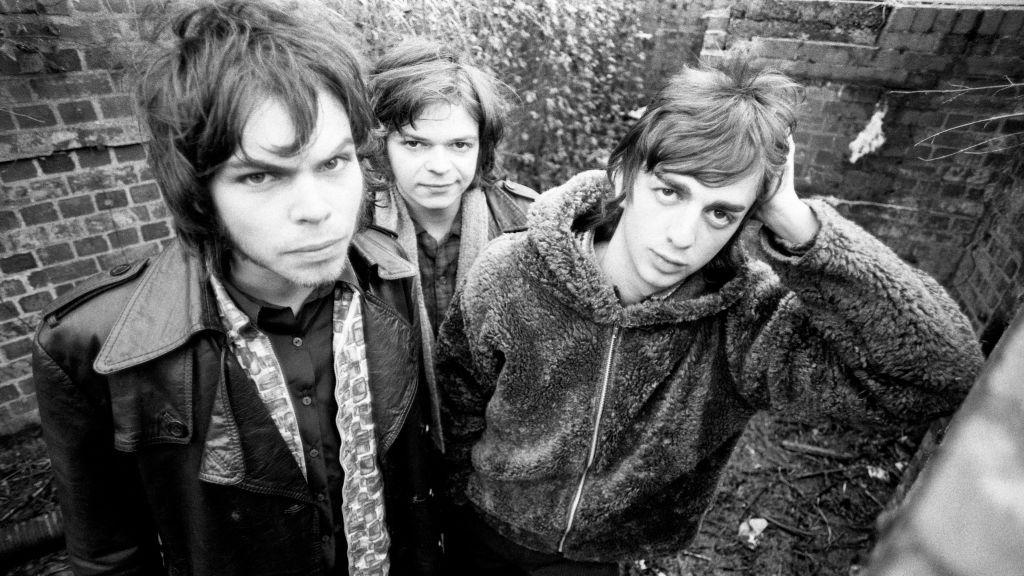
Supergrass – Lenny
It feels like there is a lot of Britpop nostalgia in the air right now, what with the really creditable return of Pulp, the upcoming Oasis reunion concerts and frequent references to 30th anniversary landmarks of notable 1995 Britpop releases. The Supergrass debut album is one that I have repeatedly heard included in the conversation these past few days and quite rightly so, it really did seem to cement the notion that something was happening with all these guitar bands enjoying high profile pop chart hits. Guitar bands of the indie scene were clearly nothing new in 1995, but it can be argued the other high flyers were tangibly born out of other movements. Blur were riding on the coat tails of indie-dance and shoegaze in 1991, Oasis were indisputably indebted to the flowery end of the Madchester scene of Stone Roses with a sprinkle of Merseyside throwbacks The La’s whilst Suede had burst onto the weekly music press radar in 1992 on the back of a seventies Bowie and Roxy Music aesthetic. Supergrass, on the other hand, arrived at the moment Britpop was starting to become recognised as a movement, seemingly tailor made to fulfil the mission drive as being set out by Damon Albarn and Noel Gallagher. They were a young vibrant band, with a classic sixties inspired cartoon image, who were also a tight playing unit writing their own earworm ready songs with a one-way ticket to the top of the singles chart. That debut album, ‘I Should Coco,’ has not aged one bit and the Deep Purple referencing of this underplayed classic alone shows what a serious proposition they were both when they arrived then as they evolved…
Dodgy – Water Under The Bridge
A look back at the Britpop years does tend to throw up a number of also rans that give the impression the scene overall was not that inspiring. Personally, I don’t need to revisit the work of Menswear or Gene but isn’t that the way with every movement? By that measure, there are also a multitude of acts who put out amazing quality work that have unjustifiably faded from view. Dodgy hit big in 1996 with the oh-so catchy ‘Good Enough’ but they had been furnishing the British pop landscape with impossibly lush offerings for a few years before that. This tune from 1993 more than adequately demonstrates Dodgy’s long standing mastery of major/minor melodic magnificence…
Edwyn Collins – A Girl Like You
History dictates that the shining lights of Britpop were all artists making their breakthrough in the 1990’s but in reality, there were a quite a few acts contributing to this wave of retro sounding pop chart action who had enjoyed success in previous decades. Paul Weller, Suggs and Terry Hall are all fine examples of names who enjoyed a raised profile with their own music on the back of Britpop appropriate releases (it is not unreasonable to suggest Paul Weller’s ‘Stanley Road’ is one of the classic albums of the whole movement, especially with that Mod classic Peter Blake album art) but arguably the most enduring single with instant whip echoes of the period is this little wonder by Edwyn Collins. Edwyn was best known as the singer with early eighties indie darlings Orange Juice but this 1995 marvel, complete with gizmo flexing guitar riffage, successfully repositioned him as a solo attraction and probably, all things considered, remains his best loved song…
The Lemon Trees – Let It Loose
The other thing that Britpop raking turns up is a very real impression that there are multitude of undiscovered rock/pop nuggets waiting for an enterprising compiler. This would definitely be one, a tune that pushes every guitar pop band button with assured competence, something that is probably not surprising when you consider that the lead singer here, Guy Chambers, was the man mainly behind all the musical hit landmarks Robbie Williams would enjoy towards the end of the decade. Here however, the ex-World Party sideman had to settle for the artistic satisfaction of creating a great indie pop tune without the hit single status and widespread acclaim…
Edward Ball – The Mill Hill Self Hate Club
Ed Ball was a member of the Television Personalities and The Times as well as a number of other fairly under-the-radar acts in the eighties and nineties who had his profile, comparatively, raised with the endorsement of Alan McGee’s Creation Records and some proactive publicising of Ed’s solo work during the peak of the Britpop era. This one is especially resonant with its mentioning of London locales and a video that includes cameos from McGee himself and one of the few Premier League footballers known to be a lover of indie bands, Graeme Le Saux. Above all though, ‘The Mill Hill Self Hate Club’ was a top level bluesy, folk-rocking pop tune that deserved a brighter day in the sun…
The Wonder Stuff – The Size Of A Cow
The great myth that has grown about Britpop is that it was born out of Suede and Blur deliberately making records that sounded undeniably like works by classic British bands of the previous three decades around 1992 and 1993 before the journalist Stuart Maconie coined the phrase in an article in the British music press. This does not stand up to a deeper scrutiny as my final selection more than adequately demonstrates, for here are the Wonder Stuff brilliantly doing Britpop before Britpop in 1991 (with a top ten pop tune shamelessly referencing British pop greats like Slade, Madness and The Jam). Not only that but revisit the pages of the NME and Melody Maker in 1991 and you will easily find journalists describing what the Stuffies were doing as Britpop, so it is clear the idea and the template had been floating around for a few years before the more enterprising commentators put a stamp on it. The only thing missing with the Wonder Stuff was the look, they still favoured the shaggy haired grebo image here but everything else is in place. I fondly recall the Wonder Stuff lighting up the pop landscape in 1991 and regretted that they really had no interest in following through by playing the commercial game. Mike Scott’s Waterboys had their biggest pop success too that spring with a re-released ‘The Whole Of The Moon’ and he too resisted any demands to comply with publicity and promotion campaigns the marketing department pushed for, he like the Wonder Stuff held firm to his deference to the artistic integrity of the music. This is the primary difference between them and the Britpop generation that followed, as soon as Noel Gallagher had a voice the idea of aggressively pushing for the top became accepted, old fashioned indie speak of the “we like it and if anyone else does it’s a bonus” variety was consigned to history. Still, at least the Wonder Stuff made some undeniable ahead of its time Britpop, like this…!
 Fruit Tree Records